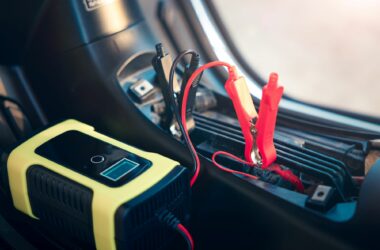


Your RV battery is one of the most underrated and yet most important components of your RV. It’s responsible for powering your rig’s lights, outlets, and other electrical appliances when camping off-grid. In a motorhome, it also has the job of providing and maintaining power while you’re driving down the highway.
On average, a 12-volt RV battery has a lifespan similar to a car battery, lasting an average of 3 to 6 years. However, the total lifespan of your battery will depend on many factors, including the battery type and quality, how well you maintain it, and where you store it.
With RV batteries reaching price tags of over $1000, maximizing your RV battery’s lifespan is more than just a safety measure but a cost-cutting measure, too.
Key Takeaways
- Lead acid batteries have a long life span when maintained with regular charging. (Note: You’ll want to avoid discharges below 50%.)
- AGM batteries offer a low self-discharge rate but require a specified charger for optimal performance.
- Lithium RV batteries boast greater lifespans and increased efficiency.
Understanding RV Battery Lifespan

Many different factors can affect the lifespan of your RV battery. The main one, however, is the type of battery that you have and its internal components.
For more information on the differences between AGM vs. Lithium batteries, as well as the differences between other types of RV batteries, keep reading.
Lead Acid Batteries
Lead-acid batteries are the most common type of RV battery and have been a reliable choice for many years. These batteries, such as the deep cycle battery, typically have a lifespan of 3-6 years if properly maintained.
One critical aspect of maintaining lead-acid deep cycle batteries is ensuring they remain submerged in liquid sulfuric acid and never fully lose their charge.
Allowing them to deplete completely, even once, can drastically shorten their life expectancy.
AGM Batteries
AGM (“Absorbed Glass Mat”) batteries are a sealed, low-maintenance alternative to traditional lead-acid batteries.
These batteries typically have a 6-10-year lifespan, depending on usage and charging practices. AGM batteries need specific chargers for optimal performance, so always use the charger specified by the manufacturer.
Lithium RV Batteries
Lithium-ion batteries, which utilize lithium-ion battery technology, are the cream of the crop regarding battery technology. With a lifespan of over ten years, these batteries are a popular choice among RV enthusiasts who value performance and reliability.
In addition to their long lifespan, lithium batteries are extremely low maintenance, have a rapid charge time, and offer increased energy efficiency compared to lead-acid and AGM batteries. However, as expected, lithium batteries are much more expensive than the alternatives.
Tips for Extending the Life of Your RV Battery

Now that you know the three main types of RV batteries, let’s look at how to get the most use out of them. While each of these batteries is unique and has different features, these RV battery maintenance tips apply universally, regardless of battery type.
Charging and Discharging Habits
Because RV batteries self-discharge over time, you must recharge them periodically.
The method of recharging will inform your RV battery’s lifespan the most.
Unlike with cell phones, you don’t want to wait until the battery is fully discharged before recharging. Instead, you should charge the battery once it is 50% discharged, no more and no less.
It’s also vital that you don’t leave the charger connected to the battery 24/7. Overcharging can negatively impact the battery and may eventually lead to “battery gassing.” Therefore, you’ll want to invest in a voltmeter to measure how much battery power you have left. That way, you can charge and discharge it appropriately.
Use a Battery Disconnect Switch
The tricky thing about an RV battery is that it will continue powering your RV as long as it’s hooked up, even if you aren’t using it. The RV also has components, known as “parasitic loads,” that drain power anytime the battery is connected and charged.
Therefore, when maximizing your RV battery’s lifespan, it’s important to have a battery disconnect switch installed that you can turn on and off.
When it’s in the OFF position, the switch will ensure that the battery doesn’t provide power to the RV’s internal systems when unused.
If you need to use your RV, you can simply flip the switch back to the ON position, and you’ll be good to go.
While most newer RVs come with a battery disconnect switch pre-installed, older models may not have them, meaning you’ll need to invest in after-market installation.
Monitoring Temperature and Humidity
Temperature and humidity can significantly impact your battery’s performance and lifespan. Extreme temperatures, moisture, and humidity can kill battery cells and cause corrosion, leading to decreased capacity and reduced battery life.
To avoid these issues, use a thermometer and hygrometer to monitor the temperature and humidity levels around your battery. By monitoring temperature and humidity and storing your RV battery in a cool, dry location, you can extend its lifespan to the max.
Don’t Forget the Water
If you have a traditional lead acid battery, you shouldn’t forget to check your battery’s water levels periodically. Water plays a critical role in your battery and helps it generate electricity through ion transfer and exchange. Because your battery will lose water over time, periodically checking the levels is important.
Remove the Battery During Outdoor Storage
If you plan to store your RV outdoors during the winter, it’s crucial that you first remove the battery. Cold weather will kill individual battery cells and significantly reduce battery voltage when fully charged.
Check and Clean Your Terminals
In addition to proper charging and monitoring water levels, checking and cleaning your battery terminals is one of the most important aspects of extending your battery’s lifespan.
No matter how well you care for your batteries, rust and corrosion will eventually form on the terminals. Therefore, you’ll need to scrub them clean with a soft brush every couple of months. (Note: Before you do, be sure to disconnect the terminals).

How to Deal With a Dead Battery
In addition to proper maintenance and charging habits, it’s essential to know how to properly recharge a dead battery when one occurs. No matter how vigilant you are, there’s a good chance your battery will start dying more often as it nears the end of its lifespan.
Here are the steps to follow:
- Check the connections to ensure they are secure and free of corrosion.
- If the connections are secure, you may need to jump-start the battery.
- If jump-starting doesn’t work, you may need to replace the battery.
How to Jump-Start a Dead Battery
When jump-starting a dead battery, follow these steps:
- Connect the dead battery’s positive terminal to the working battery’s positive terminal.
- Connect the dead battery’s negative terminal to the working battery’s negative terminal.
- Ensure that the cables are connected in the correct order.
If your battery cannot be revived, dispose of it safely by taking it to a recycling center that specializes in battery disposal. From there, purchase a new battery of the same size and voltage.

Final Thoughts
Because of how essential your RV battery is, it’s crucial to do everything you can to maintain and protect it. In addition to proper battery usage and charging habits, it’s important that you have a safe, clean, and dry place to store your RV battery.
If you don’t want to disconnect the battery every time you put the RV in storage, that means having a safe, dry place to store your RV. Consider using Neighbor, a peer-to-peer marketplace for RV storage, where you can choose the perfect accommodations for your RV and battery.
Browse all our RV storage guides:
Frequently Asked Questions
How Long Do RV Batteries Last on a Charge?
On average, deep-cycle RV batteries last 3-6 years and can power an RV for up to 24 hours before fully discharging. However, with proper maintenance and use, AGM and lithium batteries can last up to 10 years.
How Do I Know if My RV Needs a New Battery?
If your RV battery is constantly dying, struggles to hold a charge, or has excessive corrosion on the terminals, it may be time for a new battery.
How Often Should RV Batteries Be Changed?
RV batteries typically last three to seven years but can work for up to ten years with proper maintenance. If you’re nearing the seven-year mark, it may be time to consider replacing your RV battery or batteries. To extend their life, consider disconnecting them when storing your RV.
What Drains an RV Battery?
Parasitic loads, like TV antenna boosters and 12-volt lights, can quickly drain power from the RV battery. Additionally, electronic devices and circuit boards can gradually deplete the charge over time.
Should I Disconnect My RV Battery When Plugged into Shore Power?
In general, it’s ok to keep your RV battery connected when you’re connected to shore power.