

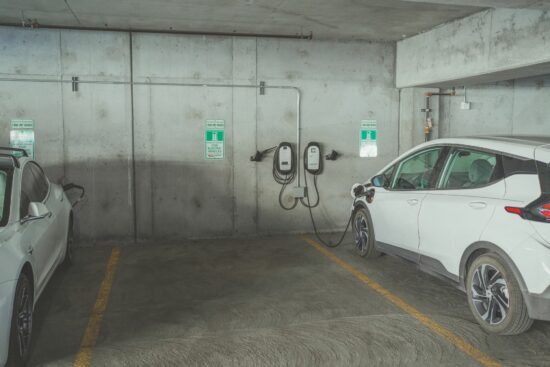
After a long vacation, the last thing you want to come home to is an electric vehicle with reduced range (or no range at all). Most electric cars lose charge when parked, even in optimal conditions.
However, there are a few tips you can use to preserve your battery power and ensure you can get from A to B without stopping to recharge or change your 12v battery.
Do Electric Cars Lose Charge When Parked and Not in Use?
While it’s true that electric cars lose minimal charge when parked (either as a result of battery self-discharge or vampire drain), it’s generally not a significant enough loss to raise concern.
Due to natural self-discharge, EVs typically lose a few percent of their battery charge, even when not in use. If you park your EV with a full charge and keep onboard systems like cabin climate control activated, your batteries will discharge between 0.5% to 1% per day.
But, if you plan on keeping your EV parked for longer than a few weeks, you’ll want to place your vehicle in deep sleep mode, deactivate onboard systems, and ensure it has at least 50% charge. After taking these steps, you can expect to see around 2-3% discharge per month.
Understanding Electric Car Battery Drain
Electric car battery drain can be influenced by various factors, such as the age of your EV batteries, vampire drain from onboard systems, and environmental factors like temperature.
Lithium-ion Batteries
Lithium-ion batteries are commonly used in electric cars because they self-discharge at a slower rate than lead-acid batteries. Plus, they have a higher energy density, which lets them provide longer driving ranges.
One of the benefits of lithium-ion batteries is that they last for a very long time, sometimes up to 20 years. As of today, lithium-ion is the only battery type used to power electric vehicles, but solid-state batteries may eventually replace them for environmental reasons.
EV charging plays a significant role in the rate of discharge while parked, especially as your vehicle ages. Note that most lithium-ion batteries experience a decrease in efficiency the longer you use them (studies have shown roughly 5% efficiency loss per 50,000 miles), meaning you can expect greater battery drainage in an older battery.
Vampire Drain
Vampire drain refers to the energy active onboard systems consume even when the car is parked (and especially in long-term storage). This drain can affect electric car batteries, resulting in a passive loss of energy over time that varies depending on the car and its systems.
To minimize vampire drain, it’s essential to be aware of your vehicle’s active systems when parked and take advantage of any power-saving features or settings provided by the manufacturer. Turning off features like Bluetooth, cabin climate control, and data sharing can increase the battery life while the electric vehicle is parked.
How Long Can Different Electric Cars Sit Without Charging?
How long electric cars can sit without charging largely depends on the make and model. Here’s a breakdown of some of the most popular electric vehicles on the market:
Tesla Model 3
The Tesla Model 3 can sit for several weeks without charging and, in the right conditions, will only lose around 0.5% of its charge per day. In 2021, YouTuber Tesla Joy left her Model 3 unattended for more than a month in Los Angeles, and the car only lost 15% of its battery charge. It’s also been noted that opening the Tesla App rouses the car from sleep mode, which can also drain the battery.
Nissan Leaf
The Leaf has been available since 2010 with multiple models offering between 80 and 140 miles of range. The Leaf’s lithium-ion battery experiences vampire drain due to built-in systems such as battery temperature control, status monitoring, and theft protection. In an experiment done by Green Car Reports, a Leaf left unattended for eight days lost around 6 miles of range, which is a bit more than 2-3% Nissan states is the average battery loss per month.
Chevy Bolt
The Bolt is an all-electric car that was introduced in 2017. Multiple people on EV forums have noted that they have left their Bolt unplugged for weeks or even months at a time in moderate temperatures without loss of range.
However, the 12v battery that powers auxiliary systems will not be replenished if the car isn’t connected to the grid. So while you might not experience loss of range, your Bolt may not start after a few weeks because of a dead 12v battery. GM advises (page 259 of the manual) attaching the 12v battery to a trickle charger if left for more than four weeks.
Tips for Preserving Electric Car Battery Life While Parked
To extend the life of your electric car battery while parked, there are several measures you can take, including maintaining an optimal charge level, parking in a suitable location, and utilizing power-saving features.
Maintain the Optimal Charge Level
Aim for a charge level of around 80% before parking your car for extended periods. Most new EVs should never be charged above 80% or discharged below 20% to maintain battery health, with 50% being ideal for most electric cars. Charging within this range helps prevent overcharging and deep discharging, both of which can lead to reduced battery life.

Avoid letting the battery level drop below 20% to ensure the vehicle starts after sitting. Similarly, don’t charge your vehicle to 100% if the SoC is already above 80%. Excessive charging can lead to battery degradation and reduced driving range. Regularly monitoring your battery state and adhering to best charging practices will ensure optimal battery health and performance.
Pick the Right Parking Location
To minimize the impact of environmental factors on battery drain, park your electric vehicle in a cool, shaded location or a temperature-controlled garage. Prolonged exposure to sunlight and high temperatures can significantly diminish the lifespan of electric car batteries, resulting in costly replacements.
Similarly, cold conditions and snowfall can impact your parked electric vehicle’s range. Parking your EV in a garage–or even a storage unit–can counteract some of the elements that contribute to battery drain (even if the location isn’t climate-controlled).
Pay Attention to the Temperature
Be mindful of temperature when charging and parking your electric car, as extreme temperatures can affect battery performance and lifespan. The optimal temperatures for electric car batteries are generally between 59°F and 95°F
Cold temperatures can also have a detrimental effect on electric car batteries, reducing their capacity to store and discharge energy, leading to slower charging and a short-term decrease in range. Consumer Reports ran a study on a few of the top EVs on the market and found that in cold weather (around 17°F), the range of each vehicle significantly decreased.
Use Power Saving Features
Utilizing features like power save, energy-saving mode, deep sleep mode, or deactivating unnecessary systems can help minimize battery drain while your electric car is parked. These features reduce vampire drain, conserve energy, and prolong battery life, allowing your vehicle to remain idle for extended periods without requiring a charge.
Most electric car manufacturers offer power-saving settings that can be customized to suit your needs. As an electric car owner, getting acquainted with these settings (and putting them to use when needed) will help keep your electric car in top-notch condition, even during prolonged parking periods.
Maintain Battery Life With Proper EV Storage
Temperature changes, exposure to the elements, and the make and model of your EV can all play a part in battery drain. As an electric car owner, one of the most important steps to avoiding a depleted battery is to store your vehicle in a climate-controlled environment, preferably with access to charging equipment.
If you live in an apartment complex or don’t have a garage at your location, we recommend finding a storage space that meets your EV’s needs. A local self-storage marketplace like Neighbor.com offers convenient, safe storage for electric vehicles. All local hosts are thoroughly vetted, and locations are rated for safety and affordability.
Remember: Finding the right EV storage isn’t just about preserving your battery but about ensuring the longevity of your vehicle as a whole.