


In the world of automobiles, certain modern cars stand out not just for their performance and aesthetics but also for their potential to become future classics. With their unique features, limited production, or cultural significance, these vehicles present a golden opportunity for enthusiasts and investors alike.
While not a collectible today, these cars are certain to be represented in classic car shows of the future. Let’s delve deeper into what makes these modern cars unique and collectible.
Chevrolet Corvette (C8)
Model Years: 2020-present
Price Range: $60,000-$80,000
Unique Features: The C8 Corvette marks a groundbreaking shift from a front to a mid-engine layout, the first ever in its history. This significant configuration change enhances its handling and gives it a more exotic, supercar-like stance. Its naturally aspirated powerful DOHC V8 engine, advanced aerodynamics, and luxurious interior secure a spot for the Chevrolet Corvette among future classics.

Ford Bronco (6th Generation)
Model Years: 2021-present
Price Range: $30,000-$50,000
Unique Features: The new Ford Bronco revives the iconic name with modern technology while retaining its classic, rugged look. Available in two and four-door configurations, its off-road capabilities with GOAT mode, customizable options, and a removable roof move the new Bronco onto the list of future classics.

Audi TT RS
Model Years: 2016-2022
Price Range: $40,000-$60,000
Unique Features: Despite its tiny rear seats, the Audi TT RS combines luxury with performance in a compact coupe package. It stands out with the distinctive note of its powerful turbocharged five-cylinder engine and the famed capabilities of the Quattro all-wheel drive system. Its sharp design and advanced tech features make this one of the Audi models the best future classics.

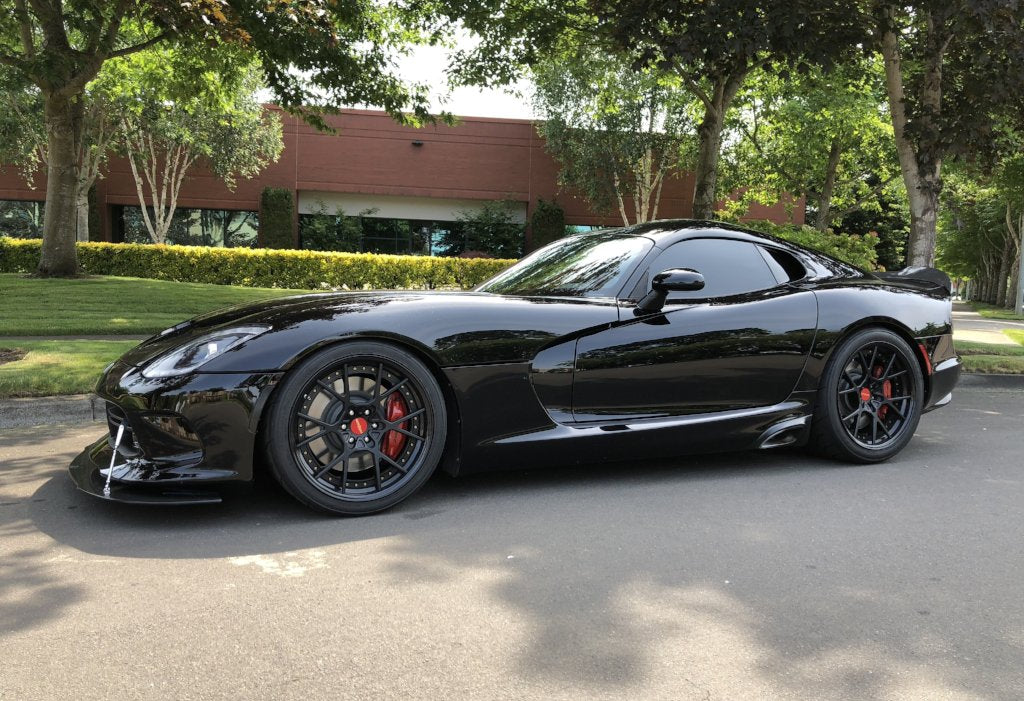
Dodge Viper (5th Generation)
Model Years: 2013-2017
Price Range: $90,000-$120,000
Unique Features: The fifth-generation Viper is a raw, unfiltered sports car with a massive all-aluminum 8.4L V10 engine and a six-speed manual transmission. The final version of the Viper is capable of 3.5 seconds 0-60 and a top speed of 206 mph. Its low production numbers and the end of its production run enhance its potential.
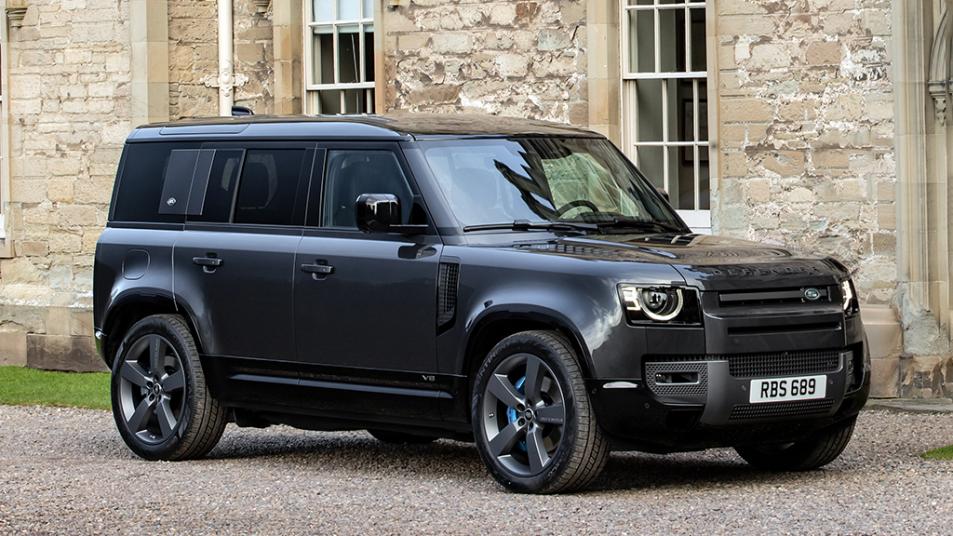
Land Rover Defender (New Generation)
Model Years: 2020-present
Average Price: $50,000-$70,000
Unique Features: The new Defender blends modern design with the brand’s traditional off-road prowess. The SUV’s refined ride quality, impressive towing capacity, and advanced features like Terrain Response and ClearSight Ground View make it a top choice in the premium SUV segment and a strong contender for future classic status.
Ford Mustang
Model Years: 2015-2023
Price Range: Varies based on model and configuration
Unique Features: The S550 Mustang combines classic design with modern performance and technology, making it likely a future collectible. This generation introduced an independent rear suspension, enhancing handling and ride quality. The Shelby GT350 and GT500, with their high-revving V8s and track-focused performance, are already being eyed as future classics.

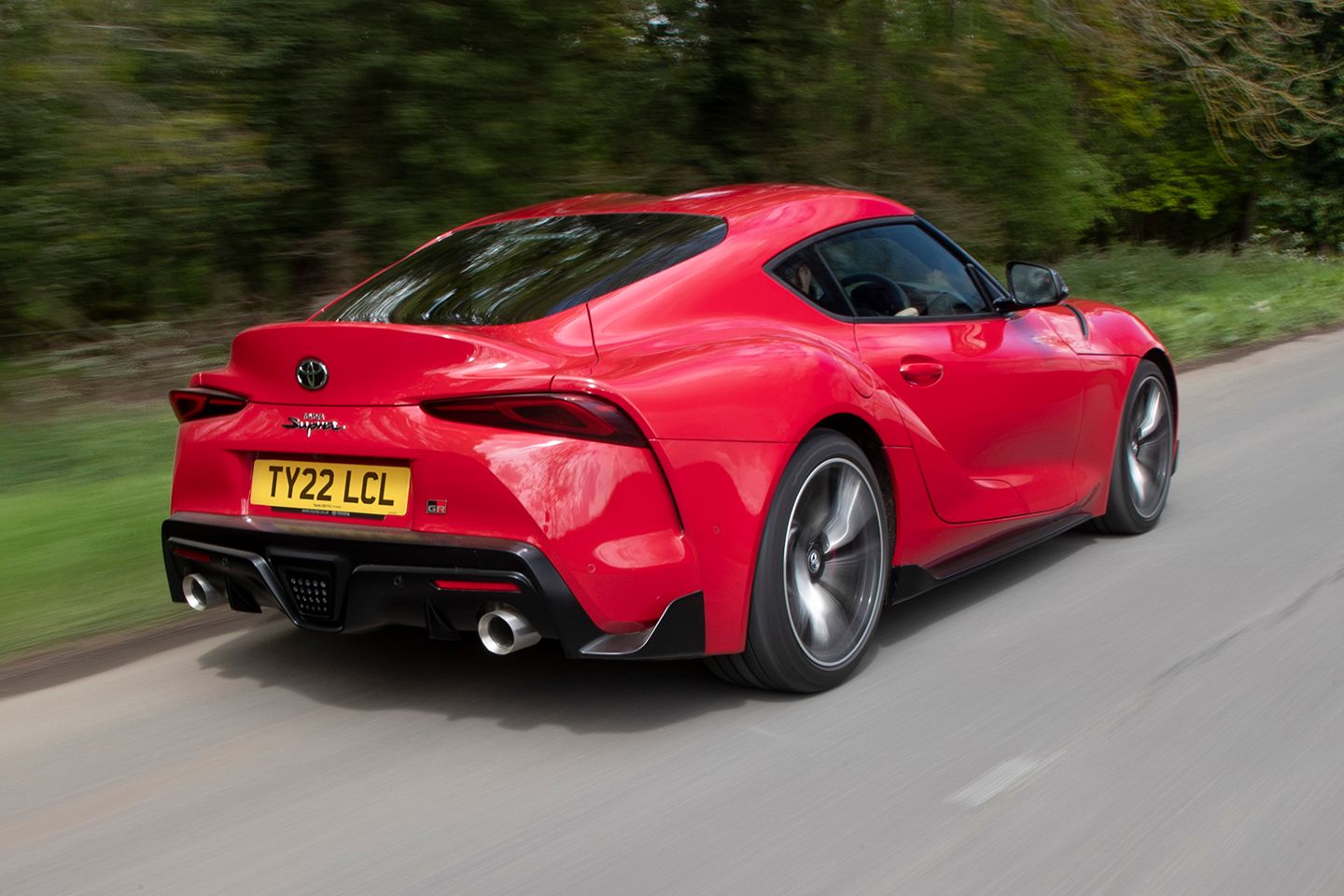
GR Toyota Supra (A90)
Model Years: 2019-present
Price Range: $40,000-$60,000
Unique Features: An instant hit, the A90 GR Supra’s design pays homage to its predecessors while incorporating modern aerodynamic elements. The sports car is the first generation product of Toyota’s collaboration with BMW. Despite being on the same platform as the BMW Z4, it offers a blend of Japanese design and German engineering, making it a compelling investment for collectors.
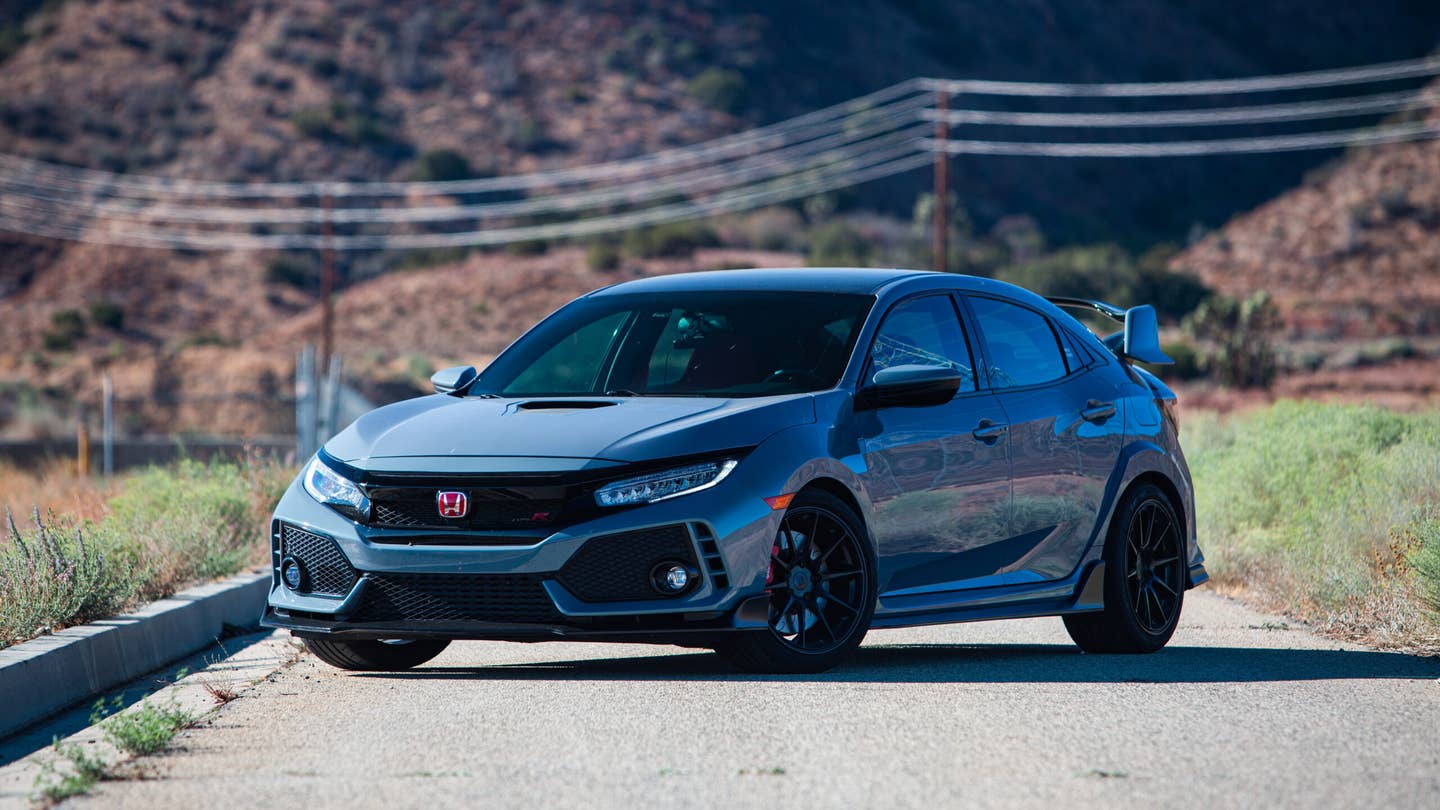
Honda Civic Type R
Model Years: 2017-present
Price Range: $35,000-$45,000
Unique Features: The Honda Civic Type R is on our list of future classics due to its aggressive, sporty styling and exceptional performance that sets it apart among hot hatches. Its turbocharged engine, manual gearbox, limited slip differential, precise handling, and distinctive design, along with Honda’s reputation for reliability, make it a highly desirable Japanese car for car enthusiasts and collectors.
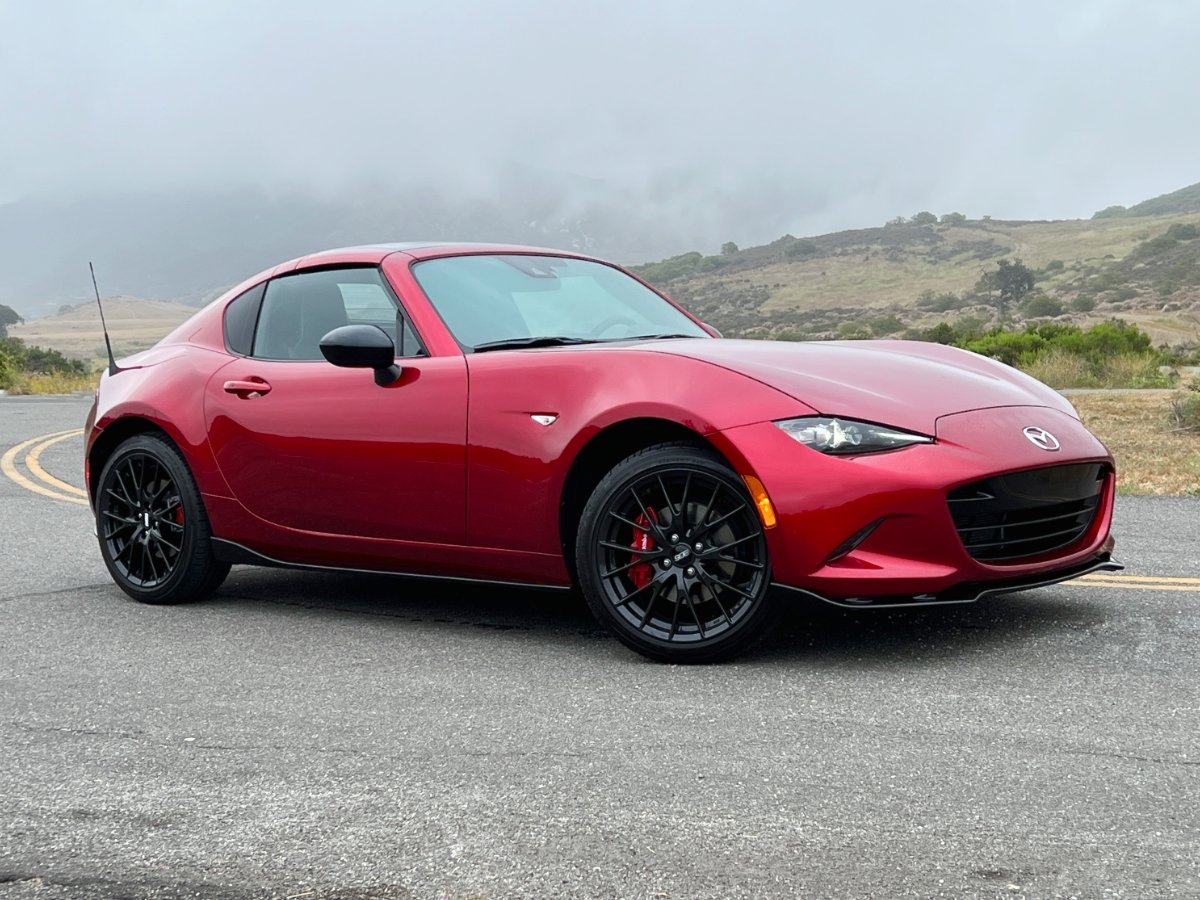
Mazda MX-5 Miata (ND)
Model Years: 2016-present
Price Range: $25,000-$35,000
Unique Features: The ND Mazda Miata, among the last of the lightweight, rear-wheel-drive sports cars, is poised to become one of the best future classic cars. Aside from its dedication to timeless roadster attributes, it also secures the spot as the most affordable car on this list. Its engaging driving dynamics and iconic design resonate deeply with enthusiasts, ensuring its enduring appeal and collectability.
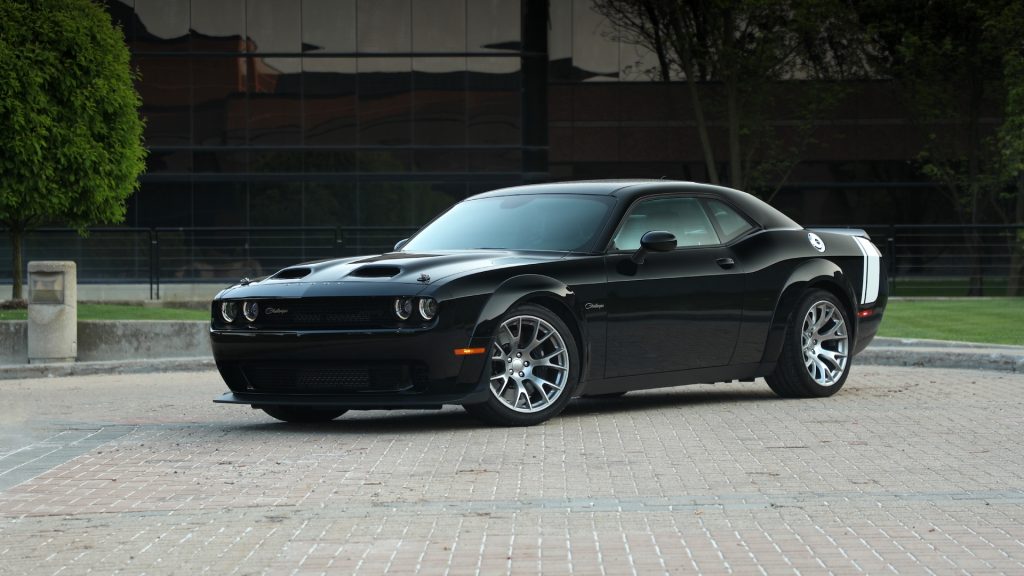
Dodge Challenger 2015-2023
Model Years: 2015-2023
Current Price Range: Varies by model and configuration
Unique Features: The classic American muscle car is one of the best examples of retro-inspired design infused with modern performance. Its range includes supercharged V8s in the SRT Hellcat and Demon models, which have garnered a cult following. It’s a strong candidate for future collectible status, significantly as the industry shifts towards electrification and these V8-powered beasts become rarer.
How to Enhance Collector Car Value
As we look towards the future, these modern cars, with their unique attributes and standout features, are well-positioned to become the classic cars of tomorrow. The key for collectors and investors is to maintain these vehicles’ pristine condition, ensuring their value and desirability remain high.
When investing in a future collectible car, proper storage is frequently overlooked. Whether it’s a modern marvel like the C8 Corvette or a potential classic like the Mazda MX-5 Miata, the way these vehicles are stored can significantly impact their future value and collectability.
Why Proper Storage Matters for Collector Cars
Preservation
Modern classic cars, especially those with the potential to become collectors’ items, need to be preserved in a condition as close to the original as possible, which means protecting them from environmental factors like extreme temperatures, humidity, and sunlight.
Security
The classic car market views collector cars as not just vehicles; they’re valuable assets. Secure storage protects them from theft, vandalism, and accidental damage.
Maintenance
Proper storage facilities often provide the right environment for regular maintenance, ensuring that the car remains in running condition, which is vital for its value as a collectible.
How Neighbor.com Enhances Collector Car Storage
Proper storage is crucial for maintaining the value of collector cars, as it protects them from environmental elements, wear, and deterioration, which are key to preserving their condition. Ensuring a car is stored in a controlled environment can prevent rust, paint damage, and mechanical issues, all of which are essential in retaining the car’s value and appeal.
For affordable collector car storage, Neighbor.com is an effective solution, offering a range of customized storage options. From secure garages to covered spaces, there are storage options for every car collector.