

Buying a vehicle for your business can be a daunting task. With so many options to consider, from makes and models to financing and legal requirements, it’s easy to feel overwhelmed. To make matters worse, choosing the wrong car can cost your company time and money down the road.
By understanding the factors you need to consider from start to finish when acquiring a business vehicle, you can make an informed investment decision that truly supports your company’s financial bottom line.
Pros and Cons of Buying a Car For Business
If you’re in the shipping industry, you may have considered buying a vehicle for your business to increase your delivery output, reduce delivery times, and take on more clients.
Whether you’re operating in shipping or a different industry, you should take the time to weigh the following key factors before dedicating the funds needed to buy a car or start building a fleet.
Benefits of Buying a Car Under a Business Name
Pro: Tax Advantages
When you buy a car under your business’s name, you can deduct certain expenses, including gas, maintenance, ownership costs, auto loan interest, and depreciation.
Pro: Protect Your Personal Insurance Rates
Business auto insurance covers business vehicles, so you don’t have to worry about your personal insurance rates going up after an accident. Using a commercial vehicle for personal reasons, on the other hand, can impact your personal insurance rates.
Pro: Streamline Business Operations
The right company car can improve efficiency and allow you to provide better service to your customers. For example, small businesses that offer local delivery can use company vehicles to make more deliveries, expand their delivery area, and offer faster delivery times.
Cons of Buying a Car Under a Business Name
Con: High Upfront Costs
Buying a company car is a major investment, and depending on the state of your business, it can be difficult to justify such a large purchase.
Con: Maintenance Costs
A company car will require ongoing maintenance, adding to the costs you must consider before purchasing.
Con: Impact on Business Liability
The more you use your company vehicle, the more you open your business to liability risks. You’ll also need to buy business auto insurance to cover this new liability.
12 Tips For Buying a Car Under Your Business
To get the most out of your investment, you need to establish your budget, consider what type of vehicle your business needs, and consider ongoing costs before buying a business car.
1. Determine Your Budget
Your budget will influence other decisions, such as buying vs. leasing or choosing new vs. used, so establishing your budget in advance is important.
To give you a rough idea of how much you can expect to spend on a new company car, here’s how much some of the more popular business vehicle models cost:
- Mercedes-Benz Sprinter: $49,900
- Chevrolet Express: $38,100
- Ford F-150: $33,835
- Toyota Camry: $26,420
Remember that on top of the upfront cost of the car, you also need to consider ongoing expenses, like maintenance and gas. According to AAA, the average annual cost of owning a new vehicle is over $12,000.
2. Consider Leasing
Leasing a car may offer lower monthly payments and increased flexibility, while buying a car may provide greater customization options. Carefully consider your unique financial situation to determine the best option for your company.
Keep in mind that one of the main drawbacks of leasing is that leases often come with mileage restrictions, making them a poor choice for businesses that rely on cars for daily business operations, like delivering food or transporting workers and equipment to worksites.
3. Selecting the Right Vehicle for Your Business
The type of vehicle you select can significantly impact your business operations, branding, and budget. For example, businesses that transport large freight will benefit most from semi-trucks, while a consultancy may benefit more from luxury sedans that help establish a professional brand image.
There are several types of company vehicles to choose from, including:
- Sedans: offer better fuel economy and a more professional appearance for client meetings
- Vans: provide additional storage space and capabilities for transporting equipment
- Trucks: offer additional storage space and capabilities for transporting equipment
- Specialized vehicles for specific industries: tailored to meet specific business requirements
4. Choose New vs. Used
Whether you buy a used car or a new car will largely come down to your budget. While new cars offer newer features and higher safety standards, used cars are often much more affordable. In fact, driving a used car costs about $200 less per month than driving a new car.
5. Consider Depreciation and Resale Value
Depreciation refers to the reduction in value of a vehicle over time due to wear and tear. When purchasing a company car, it’s important to consider the potential depreciation and resale value, as these factors can impact the overall cost of ownership.
Certain vehicles, like Jeep Wranglers and Toyota Tacomas, are known to have lower depreciation rates, which can help maintain their value over time. By considering the depreciation and resale value of a vehicle, you can make a more informed decision about which business vehicle is right for your company.
6. Understanding Financing Options
You can choose several financing options when buying a car for business, including business car loans, leasing options, and cash purchases.
Each option has its own advantages and drawbacks, so it’s essential to carefully consider your unique financial situation and business needs before making a decision.
Business Car Loans
A business car loan, also known as a “commercial auto loan,” allows you to finance vehicles for business use. These loans are typically available through banks, credit unions, and online lenders.
The application process includes a) determining your business needs, b) establishing a budget, c) reviewing your credit, d) choosing a vehicle, and e) submitting the loan application. However, business loans require long-term commitments, which may be less than ideal for small businesses with unstable financials.
Leasing Options
There are several leasing options, including business leases, fleet leases, commercial vehicle leases, and executive car leases, which offer lower monthly payments, lower upfront costs, and frequent upgrade opportunities.
However, leases often have mileage restrictions, and you won’t be able to customize your vehicles.
Cash Purchases
While not all businesses have the cash available for such a large purchase, buying in cash will lower your long-term costs and give you more control over your budget as you won’t have to plan around future loan payments.
7. Insurance Considerations
Commercial auto insurance is necessary to protect your business from liability and to comply with state laws. This type of insurance provides coverage for:
- Physical damage and liability in the event of an accident involving a business vehicle
- Medical payments
- Property damage
- Accidents with underinsured/uninsured motorists
- Other associated expenses
Consulting an insurance agent is necessary to verify that you understand your state’s specific requirements.
8. Make a Plan For Storage
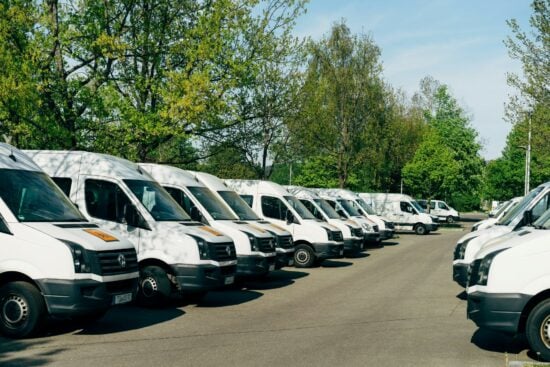
If you’re buying multiple cars for company use, you need to plan ahead to ensure you have a place to park your vehicles. You need to consider the size of the cars you’re buying and determine whether or not your parking lot is large enough for these additional vehicles.
Avoid street parking as this can lead to fines of up to several hundred dollars, depending on the area.
9. Know the Legal Requirements
Business vehicles need to meet the same legal requirements as personal vehicles, including registration, inspections, and emissions testing. These requirements help ensure that business vehicles meet environmental and safety standards, reducing the risk of accidents and pollution.
For more information on the specific legal requirements in your state, consult your state’s Department of Motor Vehicles or a legal professional.
10. Understand the Tax Implications
You may be eligible to claim tax deductions for expenses related to your company car, such as:
- Depreciation
- Fuel
- Maintenance
- Insurance
However, it’s essential to maintain accurate records of your business mileage and expenses to ensure you can claim these deductions.
Consult a tax professional to understand the specific tax implications, deductions for your business vehicle, and your business tax liability.
You can use two methods to claim tax deductions: 1) the standard mileage rate method and 2) the actual expense method. The former is a flat rate per mile that makes it easy to calculate your tax deduction for business-related travel, while the latter requires you to manually determine how many miles you traveled for business.
11. Prioritize Record-Keeping
Maintaining accurate records of your business vehicle usage is essential for claiming tax deductions. A comprehensive business vehicle log should include:
- The date of each business use
- Purpose of the trip
- Total mileage for each trip
- Starting mileage at the beginning of the year
- Ending mileage at the end of the year
By keeping meticulous records, you can ensure that you accurately track and deduct your company car expenses, minimizing your tax liability and maximizing your tax savings.
12. Schedule Regular Maintenance
Regular maintenance is necessary to ensure your company car operates efficiently and to minimize the risk of expensive repairs. Since business owners can deduct maintenance costs as a business expense, there’s no financial reason to skip routine maintenance.
Maintenance may include oil changes, tire rotations, and brake repairs. By keeping up with regular maintenance, you can also maintain better fuel economy, prolong the life of your vehicle, and protect its resale value.
When planning maintenance, make sure to schedule appointments around business operations to avoid business disruptions. If you’re unable to schedule outside of business hours, try staggering vehicle appointments so that all of your commercial cars aren’t unavailable at the same time.
Final Thoughts
Buying a commercial vehicle can bring many benefits to your business, but if you’re planning on building a fleet, you’ll need to make sure you have adequate storage to secure your vehicles. Otherwise, your army of Turo rental vehicles will end up towed or littered with citations/parking tickets (that will eat into your bottom line).
Don’t have enough space on your business’s property to park all of your fleet vehicles? Neighbor, a peer-to-peer car storage platform, can meet your fleet parking needs. Use Neighbor to find affordable local storage for all of your commercial vehicles (no matter how many vehicles are in your name or your business’ name).
Frequently Asked Questions
Is It Worth Buying a Car Through My Business?
Buying a car through your business may very well be worth it due to the tax and productivity benefits of commercial vehicles.
Can I Buy a Car as a Business Expense?
Yes, you can buy a car as a business expense by taking a Section 179 deduction. However, the vehicle must be used exclusively for business purposes and not for transporting people or property for hire, and the deduction cannot exceed the cost of the vehicle.
What Counts as Using a Car for Business?
Business miles include any miles driven specifically for professional purposes, not including commuting and personal errands.
Why Is It Important to Buy a Car for Your Business Under Your Business Name Rather Than Under Your Personal Name?
Buying a business car under your business name instead of your personal name helps maintain legal separation and provides more protection against personal liability in case of an accident.
What Are the Main Factors to Consider When Deciding Between Leasing and Buying a Business Vehicle?
When making the decision between leasing and buying a business vehicle, consider factors such as cash flow, turnover rate, and risk of wear-and-tear to determine which option is best for your unique financial situation and business needs.