

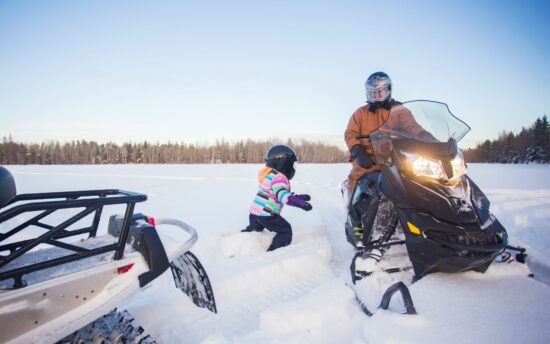
Head protection is key to preventing injury when snowmobiling. Whether you are a beginner or an expert, a helmet isn’t an optional piece of gear. Although, there are different helmets geared toward beginners and expert snowmobilers. With this in mind, don’t buy just any snowmobile helmet. You’ll need to look for the best snowmobile helmets for your situation (including factors like terrain and your skill level).
Going into the buying process, remember that modular helmets offer flexibility, while full-face helmets provide superior protection. We will show you the best options on the market, the features to look for, and which one likely makes the most sense for you.
Top Snowmobile Helmets for Various Riders
Snowmobile helmets come in various designs, each catering to different preferences and needs. The top snowmobile helmets provide a perfect blend of:
- Certified safety protection
- Lightweight design
- Good ventilation
- Comfort features
Dual sports helmets might be useful because of their versatility. They eliminate the need for separate helmets for off-roading and snowmobiling.
Beginner-Friendly Helmets
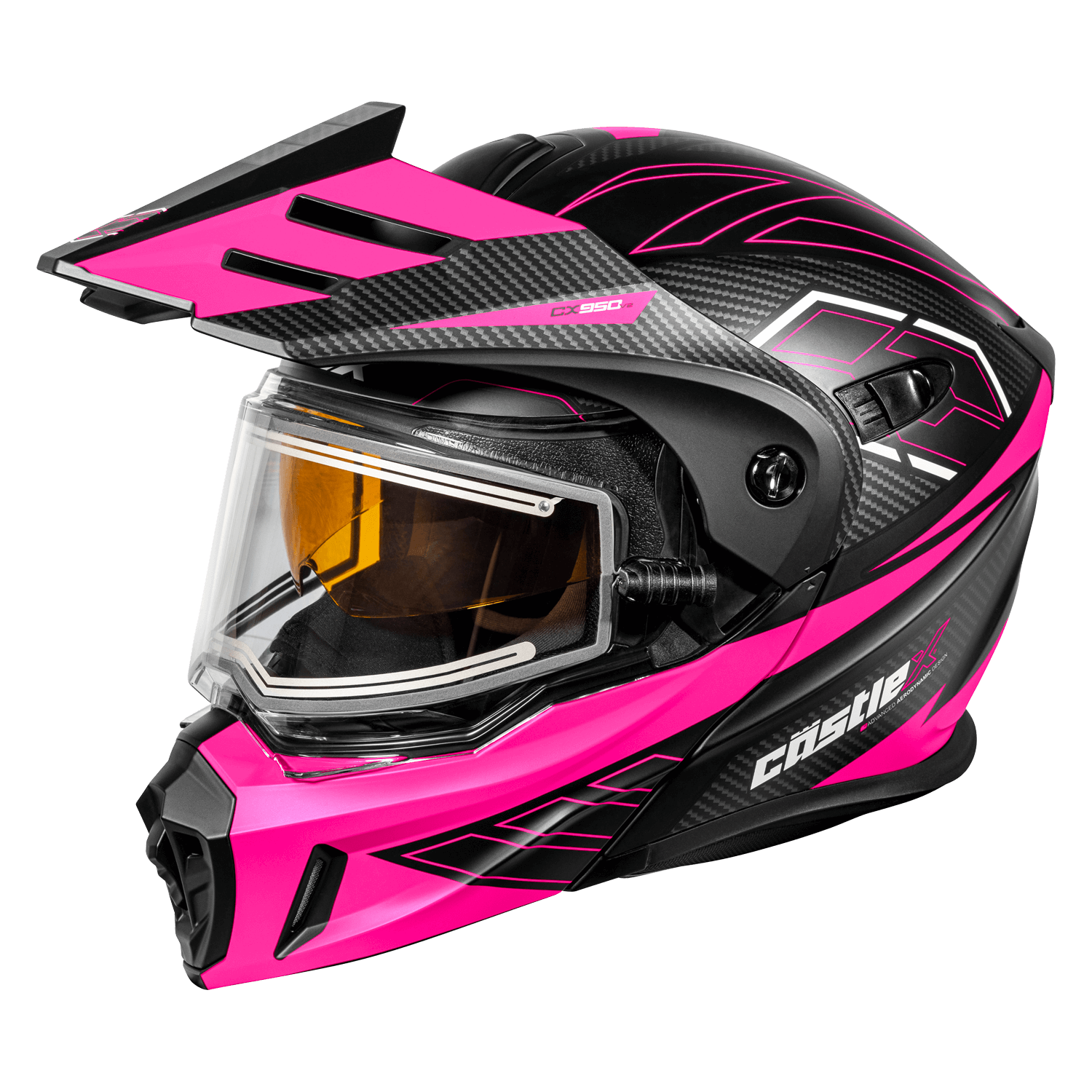
Safety, comfort, and affordability should be the top priorities for novice riders when selecting a snowmobile helmet.
A good snowmobile helmet for beginners should offer a tight seal around the face for maximum protection, without compromising on comfort. The chin strap should be easy to adjust, ensuring a secure fit.
While heated visors and flip-up helmets can be an added advantage, the right snowmobile helmet for a beginner should primarily be DOT-certified for safety. All three of these top choices meet that requirement.
Beginner snowmobilers should also consider the helmet’s weight—as a lightweight construction is preferable for comfort during longer rides.
Advanced Rider Helmets
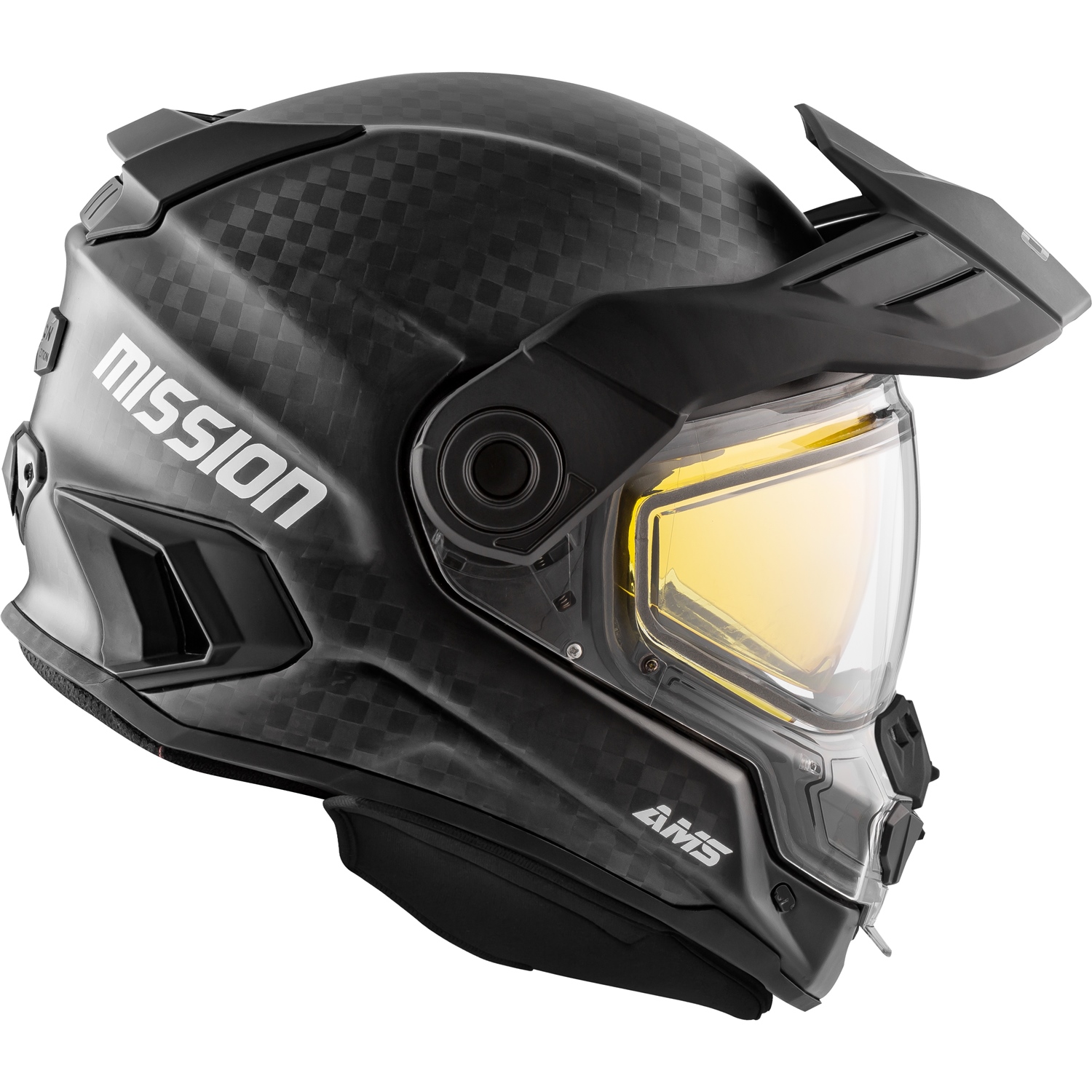
Advanced riders likely spend more time on their snowmobiles, so they require helmets with more advanced features. At this point, you’ll also probably have some preferences about what you like/dislike in a snowmobile helmet.
The 509 Altitude Carbon Fiber Fidlock 3K helmet is known for its lightweight construction, offering a perfect balance of protection and comfort.
Snocross-style helmets, like the CKX Mission Carbon, provide a wider field of vision and feature extensive ventilation capabilities, making them ideal for active riders.
(Note that dual-sport helmets combine the vision benefits of MX helmets with the added convenience of a face shield, ensuring good vision and suitable ventilation).
Interchangeable liners and cheek pads, like those in the CKX Mission Carbon helmet and the CKX contact helmet, allow for custom fitting.
Youth Snowmobile Helmets
- HJC Youth CL-XY II
- Klim Youth F3
- FXR Racing Nitro Core Youth Helmet

Some features to look for in a youth snowmobile helmet include a high-flow adjustable ventilation system, lightweight construction, and a removable liner for easy cleaning. An adjustable fit system will also help accommodate a growing snowmobiler.
The HJC Youth CL-XY II youth helmet is a great option that meets these criteria. The helmet design includes an easy-to-lift shield, which is suitable for gloved hands (granting your little ones added convenience and fog prevention).
Modular vs. Full Face Helmets: A Summary
When it comes to snowmobile helmets, riders often find themselves choosing between modular and full-face styles.
Modular helmets strike a good balance of protection and comfort. Their flip-up chin bars offer increased ventilation and accessibility. They also feature a hinged front piece and an independently moving visor.
Full-face helmets offer the most protection among snowmobile helmet styles, making them ideal for high-speed and aggressive riding conditions. Overall, their number-one purpose is to shield riders from external elements.
The Best Modular Helmets

Modular snowmobile helmets, also known as “flip-up helmets,” combine the benefits of full-face protection with the convenience of open-face helmets. The helmets’ lifting chin bar enables quick access to the face, allowing riders to breathe, eat, drink, and communicate.
As a type of motorcycle helmet, a modular helmet offers a wider field of vision than full-face helmets. This helmet type is particularly useful for riders who wear glasses, as it provides adequate space for your lenses–without compromising on comfort.
Full Face Helmets

Full-face snowmobile helmets are ideal for maximum crash protection with very few moving parts. They are designed to keep riders warmer, providing excellent protection from the cold and shielding from wind, dust, dirt, and fog. However, they may be less suitable for experienced riders prone to overheating.
Full-face helmets feature solid construction that reduces wind noise and buffeting. Engineered for long rides and high speeds, the extra weight in these helmets offers stability against the wind. Many prefer this for a quieter and more stable ride on trails.
Essential Features for Snowmobile Helmets
It’s not advised to randomly choose a snowmobile helmet. Always do your research, and consider factors such as a helmet’s safety qualifications. To gauge a helmet’s protection, look for safety ratings such as DOT, SNELL, and ECE, which test helmets for impact resistance, penetration, retention, and peripheral vision.
Other factors to account for include:
#1: Proper Fit and Comfort
Using a fabric tape measure or a string and a standard tape measure, riders should measure their head circumference, starting an inch above the eyebrows. Then, they should compare the measurement to the manufacturer’s size chart.
A properly fitting helmet should:
- Rest firmly on the head with the top pad
- Have cheek pads that gently press against the face without leaving gaps
- Be snug but not too tight to cause discomfort
If you plan to wear a beanie while riding, the helmet’s fit will need to accommodate that extra bulk.
It is recommended that you try on multiple helmets to find a model that fits snugly–without being excessively tight.
#2: Breath Box and Ventilation
Another key feature to consider when choosing a snowmobile helmet is the breath box and ventilation system.
Breath boxes in snowmobile helmets are specifically designed to direct exhaled air downward and away from the field of vision. Without the breath box, your helmet would be foggy all the time.
It’s essential that the breath guard fits tightly over the nose and around the face. Anti-fog sprays can also be used, but proper fit is the most critical factor in your new helmet.
#3: Heated Visor and Shields
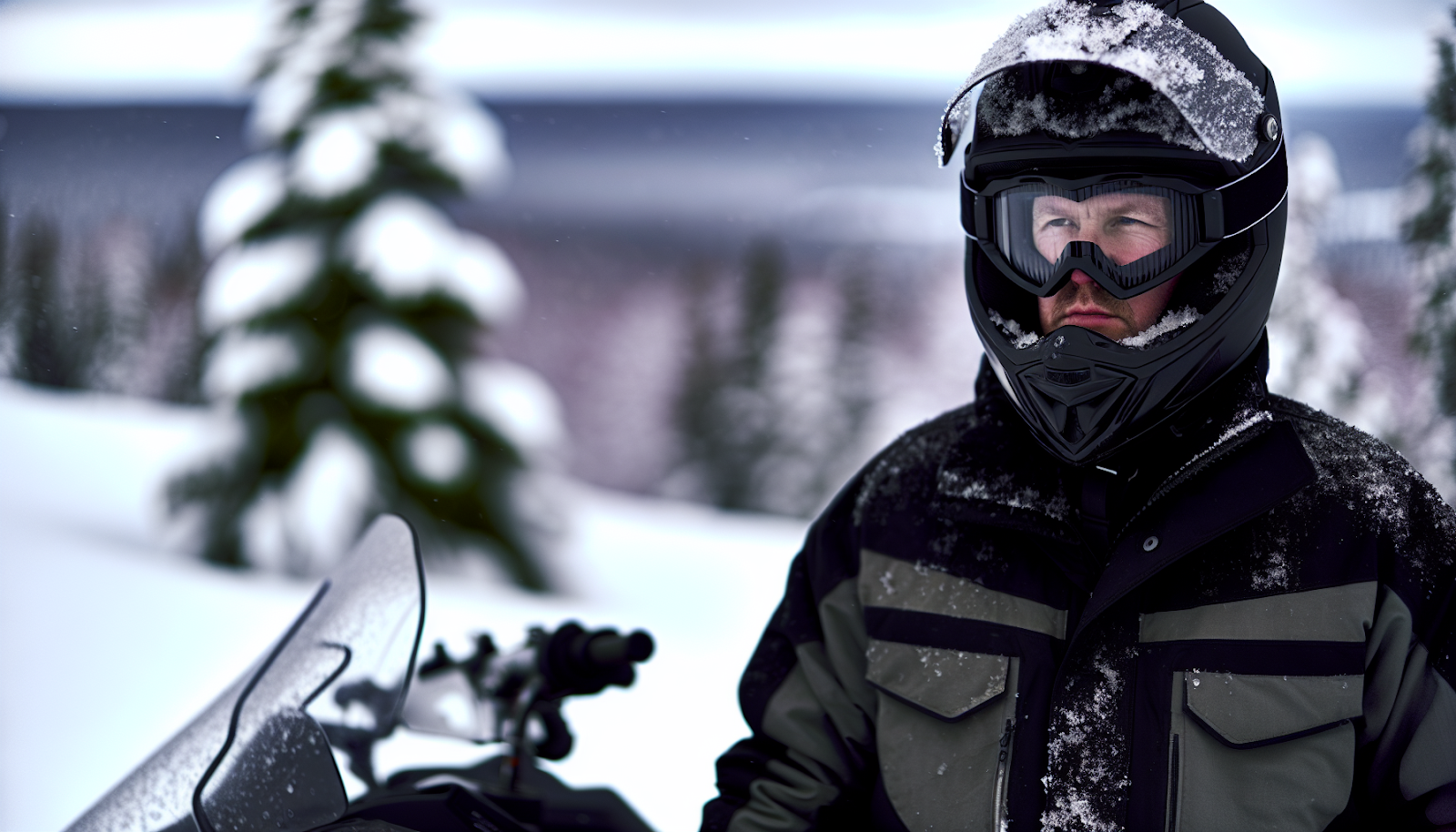
A heated face shield or visor can be a game-changer for frequent riders, preventing fog and improving visibility. The heated face shield reduces icing and fogging, increasing rider visibility.
The electric shield’s built-in heating element is connected to the snowmobile’s electrical system via a power cord to prevent fog and frost. Helmets like the FXR Maverick 2023 model and 509 Delta R3L Carbon Fiber Ignite Helmet are praised for their heated visor options that combat fogging.
Summary
Owning a snowmobile is a lot of fun, and once you have the right helmet in place to stay safe and combat the cold weather, you’ll be ready for any snowmobile excursion that comes your way.
However, for your snowmobile to be ready for the day, you have to store it in a clean, dry, and safe place. In doing so, you can prevent rusting deterioration and improve overall longevity. Consider Neighbor, a peer-to-peer vehicle storage marketplace if You’ll find snowmobile storage options in all 50 states–at rates 50% lower than traditional storage options.
Frequently Asked Questions
Are Heated Snowmobile Helmets Worth It?
Heated snowmobile helmets are worth it if you ride in very cold climates at higher speeds and ride frequently.
How Many Years Is a Snowmobile Helmet Good For?
You should replace your snowmobile helmet every three to five years, as helmets become brittle over time, posing a safety risk. Consider investing in a high-quality helmet for optimal protection.
Who Makes Mission Helmets?
Mission helmets are produced by CKX, one of the top snowmobile helmet brands in the industry.
Will a Motorcycle Helmet Work for Snowmobiling?
A motorcycle helmet can work for snowmobiling. However, a snowmobile-specific helmet will provide better insulation and fog prevention.
What Type of Helmet Is Best for Snowmobiling?
Full-face helmets have dual-pane shields or heated visors to help provide maximum protection and a fog-free experience.
