
Camping has plenty of perks: uninterrupted time to reconnect with nature, plenty of opportunities for family time, plus easy access to your favorite hiking/biking trails–and that’s just scratching the surface. For many outdoorsy types, the greatest perk of camping is the price.
Unlike other costly vacation options (Did you know that the average vacation cost in 2023 equated to $1,919 per week?), camping involves very minimal costs. If you already have all the gear you need, you’ll only have to cover the cost of campsite fees and meals.
There are options if you’re looking for the best FREE campsites or the highest-rated cheap campgrounds and RV parks in the United States. From state parks to national parks to BLM camping, and more, restricting your budget doesn’t have to mean restriction your options.
When deciding between state parks, national parks, and BLM camping, consider your family size, RV size, and camping style.
Always keep in mind that sometimes these more affordable locations fill up fast, so make your reservations ahead of time.
The Best Budget-Friendly Campsites in National Parks
Low-Cost Options in National Parks
- Hawaii Volcanoes National Park: Free camping at Kulanaokuaiki.
- Great Smoky Mountains National Park: $12 per night.
- Big Bend National Park: Less than $25 per night.
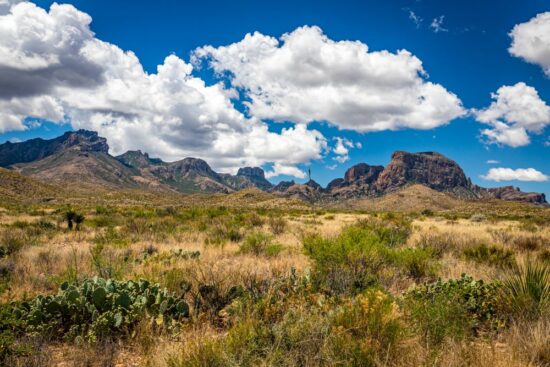
National parks can be your next budget-friendly camping destination. These parks, including favorites like Acadia, Grand Canyon, and Crater Lake, offer camping options that range from $12 to $25 per night. Imagine waking up to the scenic grandeur of the Great Smoky Mountains or Big Bend National Park, with amenities like picnic tables and potable water, all for less than $25 per night.
For the adventurous at heart, Crater Lake offers backcountry camping. And for those campers who want to marry their love of nature with a tropical vacation, Hawaii Volcanoes National Park has a free campground at Kulanaokuaiki.
Low-Cost Options in National Park Service Lands
- Wild Rivers Recreation Area: Offers primitive campsites for $5.00 per night.
- South Campground in Zion National Park: Ranges between $10 to $20 per night.
- Shenandoah National Park: Specific campgrounds like Loft Mountain Campground offer rates as low as $15 per night.
The National Park Service manages lands that serve as traditional campgrounds within parks like Yellowstone, Zion, and Sequoia National Parks. They also offer backcountry camping options (if you have the necessary permits). Camping fees typically range between $10 to $20 per night.
National Park Service lands offer an array of budget-friendly options. These include:
- Backcountry camping
- Campgrounds with basic amenities
- RV camping with hookups
- Group camping areas
- Primitive camping areas
Free Options in National Parks
- Coconino National Forest: Dispersed camping is free.
- White Mountain National Forest: Dispersed camping is free.
- Green Mountain National Forest (Somerset Airfield Campground): Offers free camping spots.
Camping outside of designated campgrounds is free in forests such as the Coconino National Forest and White Mountain National Forest. This means you can pitch your tent in the great outdoors without spending a dime–which is a great option for frequent campers (who can’t keep up with rising campground fees).
Campers must camp at least one mile from campgrounds, 150 feet from roadways, and 100 feet from any stream or water source. The U.S. Forest Service permits dispersed camping for up to 16 days in a single location and advises campers to practice Leave No Trace Principles to preserve the natural surroundings.
If dispersed camping is not your thing, there are still other free options at designated campgrounds: Somerset Airfield Campground in Vermont’s Green Mountain National Forest and Gale River Loop Road in New Hampshire’s White Mountain National Forest, also offer free camping spots and trail access.
Free BLM Camping Options
- Alabama Hills, California: Camping opportunities are available at no cost.
- Muley Point, Utah: Camping opportunities at no cost.
- Cieneguita National Conservation Area, Arizona: Camping opportunities are available at no cost.
Another great option for budget campers is the land managed by the Bureau of Land Management (BLM). These camping areas are predominantly located in Western states such as Arizona, Idaho, Montana, etc.
Notable locations for BLM land camping include the Alabama Hills near Lone Pine, California. Here, dispersed camping is available along the scenic eastern slope of the Sierra Nevada.
Camping on BLM lands is free when dispersed camping. Without hefty campground fees looming over your head, you can enjoy the solitude away from traditional campgrounds (even if that means sacrificing the standard amenities).
When planning your trip, remember that the tradeoff for zero camping fees is that the sites on BLM land come with minimal to no amenities.
Despite being free, some BLM camping areas, like Alabama Hills, have introduced a new permitting process to improve site management. However, this doesn’t involve any additional fees; you’ll just need to make sure you are compliant with the procedures for dispersed campsites.
State Park Options for Campers on a Budget
- Bayou Segnette State Park, Louisiana: Free camping is available, with some sites offering amenities.
- Cobscook Bay State Park, Maine: Typically less than $20 per night.
- Ames Brook Campground, New Hampshire: Starting at $62 nightly, which is on the lower end for RV parks with amenities
Annual passes to state parks can significantly reduce the cost of camping for avid campers.
Several states offer discounts on annual passes (and other additional perks) for eligible groups, including active military, seniors, and National Park annual pass holders.
State parks also offer a range of amenities and experiences, all at varying fees depending on the state and park. So whether you’re a resident or a non-resident, there’s a state park for you where you can enjoy camping, hiking trails, fishing, boating, picnicking, and wildlife viewing.
City Parks and Recreational Areas: Unexpected Low-Cost Camping
- Myre-Big Island, Albert Lea, Minnesota: Offers camping starting from $17 per night.
- Hickory Hills Campground, Albert Lea, Minnesota: Camping fees start at $40 per night.
- Pihl’s Park, Wells, Minnesota: Provides camping options starting from $18 per night.
City parks are often overlooked when it comes to camping, but they can offer unexpectedly low-cost options. Unlike BLM campgrounds, these parks provide basic amenities such as picnic tables, fire pits, and toilets to ensure a comfortable stay.
City park campsite availability can be limited, so it’s advisable to reserve a spot in advance, especially during peak seasons.
Some municipalities even permit free overnight RV parking in designated areas such as fairgrounds or city parks, particularly during the off-season or community events.
Remote Camping Locations That Are Budget-Friendly
- Shawnee National Forest, Illinois: Free dispersed camping available.
- Porcupine Lake Wilderness, Chequamegon-Nicolet National Forest, Wisconsin: This remote (and primitive) camping area has no fee, but access involves a half-mile hike.
- Beartown State Forest, Massachusetts: Offers remote camping starting at $14.
If you’re a fan of solitude, free dispersed camping should be your go-to. Locations like Shawnee National Forest and Chequamegon-Nicolet National Forest are remote and secluded from the buzz of overbooked campgrounds.
Be aware that campers must hike a half-mile from the closest parking area, but the journey will be well worth the payoff.
Cheap Campsites on the Coast
- First Landing State Park, Virginia: Campsites range from $24 to $32 per night.
- Echo Lake Beach, Maine: Campsites start around $15 to $30 per night.
- Jekyll Island Campground, Georgia: Tpical fees for Georgia State Parks campgrounds are around $30 to $40 per night.
Beachside camping means stunning ocean-side views–at a more budget-friendly price than a traditional coastal resort. First Landing State Park in Virginia, for example, looks out onto a historic beachfront on the Chesapeake Bay, Here, you’ll have the option to stay in a cabin or a yurt.
There are also options for RV, like Jekyll Island Campground in Georgia, which provides access to picturesque Driftwood Beach and premiere fishing.
Assateague Island National Seashore is another destination known for seaside camping. It offers scenic ocean vistas and the unique opportunity to observe wild horses.
Important Reminders About Free or Cheap Camping
As you saw from our list, there are options for free camping on public land. However, these are dispersed camping areas, which means you’ll have to adhere to the restrictions and best practices set. Sure, you’ll save on camping fees, but, in exchange, you’ll have to do the following:
- Manage your waste properly
- Minimize campfire impacts
- Respect wildlife
- Avoid altering natural or cultural resources
- Adhere to time limits like the typical 14-day limit for camping
Preparing for Remote Camping
Remote camping may not cost you money, but it will cost you some of your time. For a successful remote camping trip, you’ll need to prepare accordingly.
Here are some tips and steps to make sure you are ready.
- Gather GPS coordinates for your desired camping location.
- Obtain paper maps of the area.
- Be informed about the nearest ranger station (due to the undeveloped nature of these sites).
- Bring navigation tools like a compass and detailed local maps.
- Pack a solar-powered phone charger to keep communication even if cell service is intermittent.
- Inform someone about your itinerary
- Have an emergency plan
Most importantly, since these campgrounds don’t have established amenities, you’ll need to bring all necessary provisions and adhere to Leave No Trace principles, like the following: a) pack out all trash, b) use catholes for human waste responsibly, and c) don’t leave behind toilet paper. These steps are vital for preserving these delicate ecosystems.
Final Thoughts
These cheap and free campsites across America make it that much easier to book your next trip. Whether you are looking at RV campsites or tent camping, you’ll still have plenty of gear that needs to be stored after a trip.
If your garage is running out of space for all of your gear, consider Neighbor, a peer-to-peer storage marketplace that offers savings and convenience for local storage. Keep your gear in great shape so it’s always ready for the next adventure.
Frequently Asked Questions
What Is the Average Price for Campgrounds in the USA?
Campground prices in the USA typically range from $10 to $100 per night, depending on the amenities and hookups available..
How Much Do Most Campgrounds Cost?
Campground costs range from $10 to $50 per night. The price for RV camping is usually higher, starting at around $25.
What State Has the Most Free Campgrounds?
Both Arizona and California have a number of BLM (Bureau of Land Management) properties that offer free camping.
Where Can You Find Free Camping Near Me?
You can look for free camping options at a few online resources, such as Campendium or the BLM and National Forest websites.
Is Camping an Expensive Hobby?
Camping can be budget-friendly, but you’ll have to purchase the gear to start, and that can be expensive. If you want to save some money, look to borrow equipment from your fellow campers or purchase it secondhand.