

Just like any other vehicle, an ATV needs a little tender love to keep it at peak performance. ATV maintenance is similar to maintaining a car. You have to frequently check and change the oil, check out the air filter, look for damage on the nuts and bolts, maintain correct tire pressure, and ensure the handlebar grips are fastened. Just follow these simple ATV maintenance tips to keep your ride running like it’s brand-new.
ATV Maintenance Tips
- Check/Change the Oil. Like all other vehicles, ATVs need a periodic check-up. The nice thing is that ATVs deal with a lot less oil than any other vehicle. Follow your owner’s manual to find out what oil and how much is best for your ATV. Make regular ATV maintenance checks on your oil.
- Review the Air Filter. Every so often it is recommended to check, clean, and eventually replace your old air filter. This will keep the air clean and flowing, and help you avoid bugs trying to nest in your air filter for winter.
- Check over the Nuts and Bolts. This one is big for damage prevention. In transit or during heavy use, it is very easy for nuts and bolts to come loose on an ATV. This could result in the damage of parts, so do yourself a favor and go over the nuts and bolts before each ride; ATV maintenance could save you a lot of time and frustrations later on.
- Maintain Tire Pressure. Even a slightly flat tire on an ATV makes a world of difference as you ride. Keep on top of your tire pressure with a pressure gauge, and try to keep a portable tire pump handy so you can keep your tires at optimal inflation levels.
- Review and Re-glue the Handlebar Grips. Especially after long strings of rough riding, it’s easy for your handlebars to come loose. Keep some handlebar glue on hand, and make sure your grip is tight before each ride. This will give you good control while driving and keep your ATV looking like you just bought it.
ATV Buying Guide
ATVs come in all shapes and sizes, varying in engines and purpose. Some need less ATV maintenance than others. Decide how you will want to use your ATV and buy accordingly because not all ATVs are the same. Here are some common types of ATVs and details about them so you can make an informed purchase.
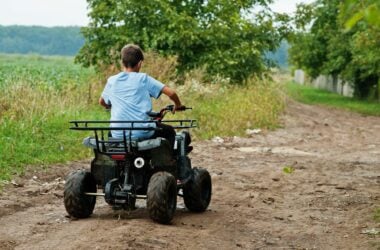
- Youth ATVs– These are designed for children or young teens with a smaller engine that ranges from 50cc to 125cc. They usually have an automatic engine stop upon falling, so you won’t be dragged with the vehicle. Youth ATVs also often have weight limits, being a children’s model and usually are one-seaters. Prices vary between $600 to $3000.
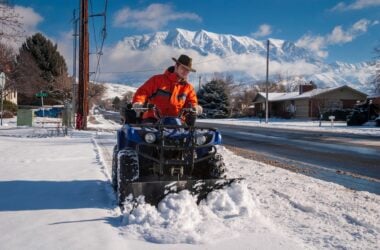
- Utility ATVs– This is the most popular ATV model and is often used for work purposes. With an engine that ranges from 250cc to 700cc, this ATV is mostly used by agricultural/land owners and workers as well as hunters. It is perfect for tackling tough terrain, even with heavy loads. These ATVs see a lot of recreational use as well thanks to these features but may need more regular maintenance. A new utility ATV will cost around $10,000+ but you could find a used one for around $7,500.
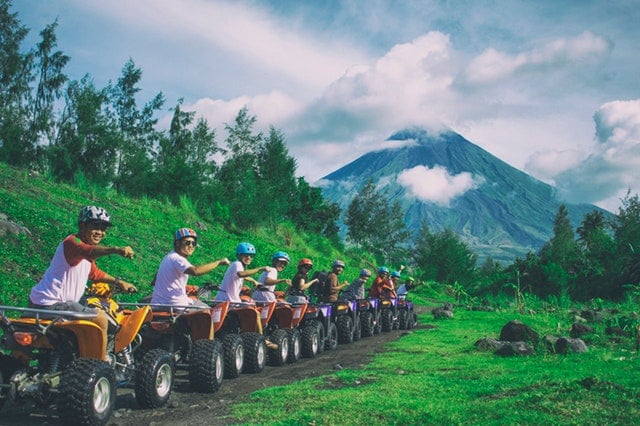
- Sport ATVs– Like their name implies, these ATVs are for racing around, doing tricks, etc. The model is designed to be much lighter than a utility ATV, with lots of suspension for jumps and tight turns. The engine ranges from 250cc to 700cc, and is yours for accessorizing and amping however you would like. Sport ATVs are the type of ATVs used in races and extreme sports. Prices range from $3,500 for used to $10,000 for new.
Need ATV Storage? Use Neighbor!
Trail riding season generally goes from late April to late October here in Utah. The winter cold can be pretty hard on an ATV just sitting in an open garage or out back, and the months without use is brutal on the battery.
Keep on top of ATV maintenance both during the year and during the winter by storing it somewhere climate controlled, and make sure to properly clean and run your battery every so often.
Storage space on Neighbor is 50% cheaper than anywhere else, and you can find climate-controlled, cheap, catered-to-you spaces. With month-to-month storage options, you can be prepared for winter and give your ATV the care it needs.
Good luck out on the trails and happy riding!