
The weekend is perfect for a trip to the lake, but when you pull the tarp off your boat, you find the battery is completely dead. What’s more, it’s Sunday, and the local auto parts store is closed. Wave goodbye to your lake day.
When batteries for campers, boats, ATVs, lawnmowers, and other vehicles are left unattended in the off-season, they can quickly lose their charge. Trickle chargers are relatively inexpensive devices you can use to maintain your battery’s charge over winter or when in storage for extended periods.

What is a Trickle Charger?
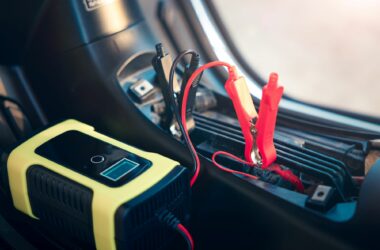
A trickle charger is a simple device designed to charge and maintain the health of your car, motorcycle, or RV battery over a prolonged period of time. Trickle chargers are low-voltage devices, often only putting out a few amps to offset a battery’s natural discharge rate.
A trickle charger is an essential tool for anyone that plans on storing a vehicle, boat, or motor-home for periods longer than a month. Its constant stream of power ensures that your vehicle will start up with a full charge when you bring it out of storage.
Higher-end trickle chargers, also known as battery maintainers, have auto-regulating features that turn off once your battery has reached full charge, preventing damage to your battery caused by overcharging.
Differences Between Trickle Chargers and Battery Chargers
The key differences between trickle chargers and regular battery chargers are the amperage output and charging speed.
Trickle chargers typically output between 1 and 3 amps, making them suitable for long-term use. This low amperage output ensures a slow, steady charge, preventing damage that could be caused by overcharging the battery with higher amperage levels.
Regular battery chargers, however, have a much higher output. Most commercial battery chargers output up to 50 amps, with some offering a jump-start mode that tops out at 200 amps. The safest range to charge a 12V car battery is between 4 and 7.5 amps.
If you’re trying to revive a completely dead battery with a trickle charger, you will have to wait days to reach a full charge. Regular battery chargers operating within the safest range can fully charge a dead battery in 10 to 24 hours.
You can certainly up the amperage on a regular battery charger, but fast charge features like that can lead to off-gassing and overheating, which poses risks to your battery and the environment. Trickle chargers reduce off-gassing and provide a safer charging experience.
The Science Behind Trickle Charging
Trickle charging is an effective method for maintaining lead-acid batteries, which are commonly used in lawnmowers, campers, ATVs, boats, and other vehicles.
Lead-acid batteries undergo what’s known as self-discharge, which is a process that gradually reduces the battery’s total charge over time when not in use. Typically, lead-acid batteries with AGM or gel-type lead acid discharge at a rate of 4% efficiency each month. A lead-acid battery that’s below 50% efficiency is not safe and should be replaced.
Thankfully, self-discharge can be maintained to help elongate the lifespan of your lead-acid batteries. Trickle chargers provide a slow, consistent supply of power, which helps to counteract self-discharge.
When used on standard 12V car batteries, trickle charging can also prevent the accumulation of lead sulfate crystals, which is the primary cause of battery failure.
Types of Trickle Chargers
There are two main types of trickle chargers on the market: manual and smart chargers. Nowadays, most trickle chargers you’ll find online or in an auto-parts store are all-in-one battery maintainers.
Manual Chargers
Manual chargers require monitoring to prevent overcharging, as they don’t automatically adjust based on battery charge levels. Brands like Battery Tender, Beikalone, and Noco Genius both produce solid manual chargers for home use.
While manual devices are generally more affordable (ranging from $15 to $50), they also require more attention to ensure proper battery maintenance.
Smart Trickle Chargers
A smart trickle charger, also called a battery maintainer or a float charger, offers added convenience and safety features. These chargers automatically adjust the amperage based on the battery’s charge level, preventing overcharging and damage.
Two of the best all-purpose smart chargers on the market right now are the Noco Genius G3500 and the Schumacher SC1300. These products are more expensive than manual chargers, ranging from $60 to $200.
But, the smart trickle charger is your best option if you’re looking to preserve the life of your battery as long as possible, with as little maintenance as possible.
When Should You Use a Trickle Charger?
Trickle chargers are particularly useful for vehicles that are infrequently used, in extended storage, or are subject to cold weather conditions.
Infrequent Use
Vehicles that are not used regularly, such as classic cars or summer vehicles, are at risk of losing their battery charge. Typically, a car battery will lose its charge after 1 to 2 months of not being used. By connecting the charger to the battery and leaving it on for a few hours at a time, you can ensure your battery remains fully charged and ready for use when needed.
Extended Storage
In situations where batteries are stored for extended periods, using a trickle charger can help prevent self-discharge and damage to the battery. Trickle chargers with float mode monitoring are particularly useful for applications such as golf carts, boats, ATVs, RVs, or campers. If you’re planning to store your vehicle through a peer-to-peer marketplace like Neighbor, make sure you have access to an outlet to plug in your trickle charger.
Cold Weather
Cold weather can cause all kinds of issues for your vehicle, even if it’s stored indoors. One of the most significant risks cold weather poses to RVs, cars, and other vehicles is battery depletion. Low temperatures cause batteries to discharge more quickly and potentially lead to swelling or cracking. Using a trickle charger can help sustain the battery’s charge level, preventing damage caused by cold weather conditions.
How to Use a Trickle Charger
Before connecting a trickle charger, it’s important to inspect the battery, ensure compatibility, and review the charger’s instructions. Following the proper steps and safety precautions can help you connect and use your trickle charger effectively.
- Step 1: Ensure your charging area is properly ventilated, read the charger’s manual, and follow safety guidelines.
- Step 2: To connect a trickle charger, attach the positive cable to the positive terminal of the battery and the negative cable to the negative terminal. Set the charger to the appropriate voltage and amperage for your battery before plugging the trickle charger into your wall socket.
- Step 3: If you’re using a manual charger, make sure to come back in a few hours to check the charge of the battery. If you’re using a smart charger, the device should automatically shut off once the battery reaches a full charge. Always double-check that your trickle charger is working properly before leaving the device unattended.

Photo by Daniel @ bestjumpstarterreview.com
Just Remember…
Aside from the upfront cost, a trickle charger is a budget-friendly option for people worried about keeping their battery healthy. Low-output chargers will only add a few cents to your monthly electricity bill and avoid spending upwards of $100 for a new battery. Plus, with smart chargers, you can plug it in and leave it, no stress required.
Frequently Asked Questions
Can you leave a trickle charger on all the time?
If you have a manual trickle charger, it’s not recommended to leave it on for extended periods, as this can lead to overcharging and potentially cause a dead battery or fire/explosion.
Smart trickle chargers have auto-shut-off features, so it won’t matter how long it stays connected to your battery.
Does a trickle charger actually charge a battery?
Yes, a trickle charger can fully charge a battery, although it will take much longer than with a standard charger. Trickle chargers typically emit between 1-3 amps of power, meaning a dead battery can take up to 100 hours to be fully charged.
How long should you leave a trickle charger on a battery?
It is generally safe to leave a trickle charger on a battery for several days or even weeks, depending on the type of charger and the recommendations of the manufacturer.
Be sure to check the manual for your specific charger for further details.