

Cars can’t be stashed away forever. If you’re planning a long trip or own a car you don’t drive very often, you might wonder how often you need to start your car to keep your car battery charged.
Several factors influence the length of time a car can sit without being driven: the type of car you drive, weather conditions, and how you store your car will all impact your car’s battery life.
To help you out, we’ve created this all-inclusive guide to maintaining your car battery.
Key Takeaways
- Car batteries vary based on car type/age, but generally, experts recommend starting the engine at least once a week and driving 10km (around 6 miles) or 30 minutes.
- Keeping your battery charged is essential for optimal performance and longevity.
- Preserve your battery’s charge by taking the right precautionary measures: use a maintainer, disconnect the negative terminal, and properly store your car.
Why the Car Battery Runs Out
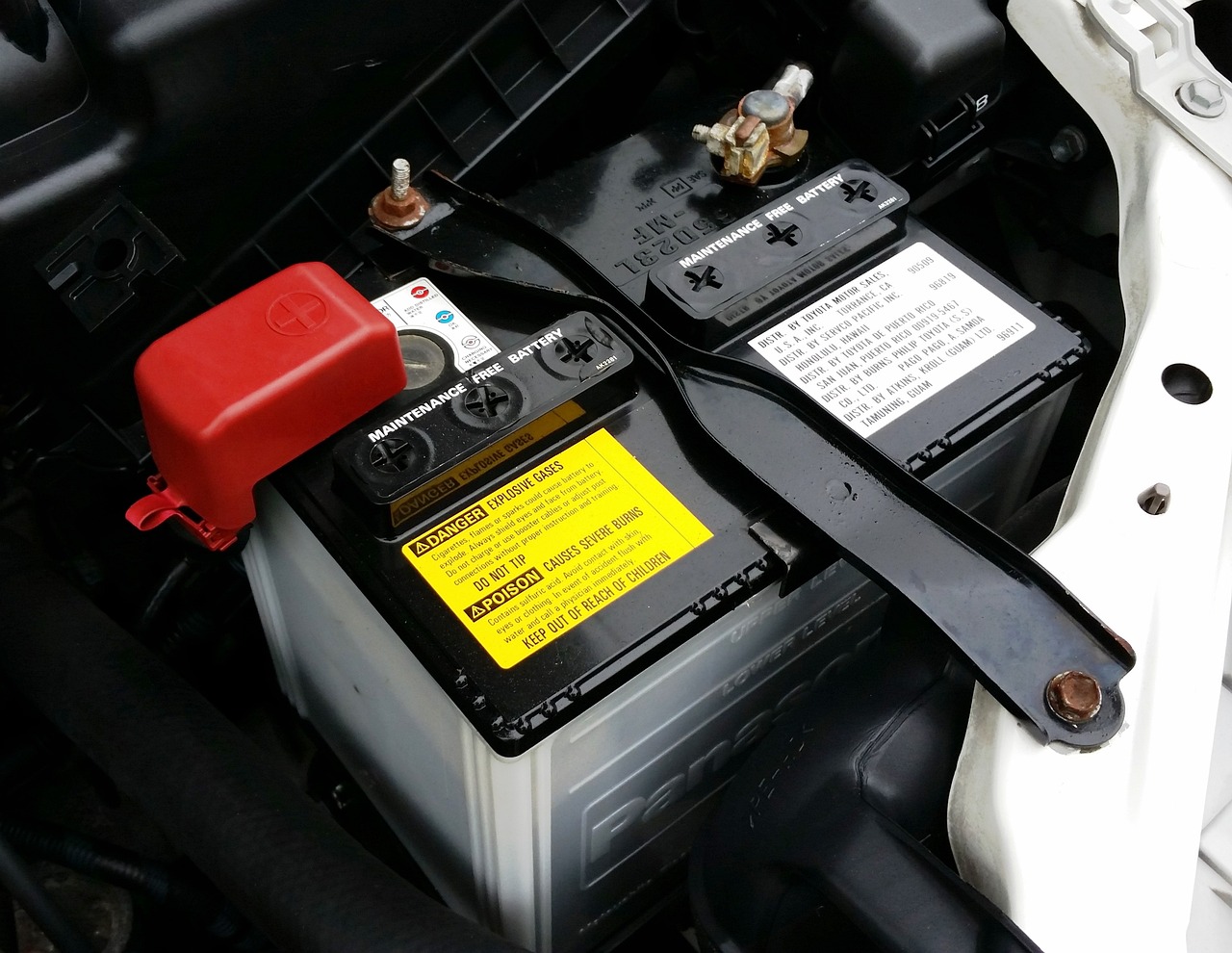
Even when your car isn’t running, it’s using up battery “juice.” The dashboard clock, lights, ignition, and other electrical components all require power.
The battery is charged by the alternator, but only when the car is running. That’s why the battery runs out when the car isn’t in use.
A dead car battery can cause strain on the alternator and shorten the overall lifespan of the battery. These long-term consequences can be costly and a big hassle for car owners.
How Often to Start Your Car for Optimal Battery Health?
Most experts recommend driving your car at least once a week for a minimum of 10 kilometers (6 miles) or for at least 30 minutes to keep the battery charged. Any less than that, and your alternator won’t have the chance to charge the battery sufficiently.
However, every car battery is different, and battery life is impacted by many factors, such as environmental conditions, the age of the car, and how it’s stored. For information specific to your car, talk to a professional.

Tips for Maintaining Your Car Battery When Not in Use
Sometimes, leaving a car parked for long periods is unavoidable. If you’re going on a long trip or weather conditions prevent you from using your car, here are several measures you can take to preserve your car’s battery charge:
Use a Battery Maintainer or Trickle Charger
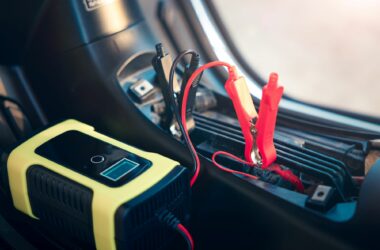
One option for extending a car’s battery life is using a battery maintainer or a trickle charge. This is a device that supplies a small amount of electricity to your car battery when it sits unused for an extended period.
Battery maintainers often come with convenient features such as automatic shut-off when the battery reaches full charge, ensuring that battery maintainer doesn’t continue supplying unnecessary power and overcharging doesn’t occur.
When selecting a battery maintainer or trickle charger, choose one that has the same voltage as your car battery to prevent improper charging. Explore different types of battery maintainers to see which one is best for you.
Disconnect the Negative Battery Terminal
Another effective method for keeping your car’s battery at optimum health is to disconnect the negative battery terminal. This prevents something called “parasitic drain,” which occurs when electrical components like internal computers, clocks, and security alarms draw power from your vehicle’s battery even after it has been switched off.
This simple act can make a significant difference in preserving your battery’s charge and preventing it from dying when your car sits unused. You could also remove the battery completely.
Perform Pre-Storage Maintenance and Store Your Car Properly
Properly maintaining and storing your car is essential for reducing battery drain and preserving its overall condition. If you know your car will sit unused for the winter or during school semesters, ensure the engine oil and coolant are at their recommended levels. Regular maintenance can also detect any potential battery issues before they become severe.
When you’re not using your car, try parking it in a garage or other dry, sheltered area shielded from direct sunlight. This will protect your vehicle from debris, harsh weather, carjackers, and internal damage.
You can explore your vehicle storage options on a self-storage marketplace like Neighbor.

Recognizing and Addressing Battery Issues
If your car battery is over three years old, it could be nearing the end of its lifespan.
Here are some signs your battery might need replacing:
- Dim headlights: If your headlights are dimmer than normal, your battery may be deteriorating.
- Slow engine cranking: Do you hear an odd crank when you start your engine, or is your engine starting more slowly than usual? These could both be signs that your battery is losing its charge capacity.
- Frequent jump-starts: If you find yourself needing to jump-start your car frequently, it’s a strong indication that the battery is struggling to hold a charge.
- Electrical issues: Malfunctions in electrical components like power windows, radios, or lights can be a symptom of a failing battery.
- Strange odors: If your battery is emitting an odd smell, it could be a sign that there’s a leak or damage.
Keep an eye out for these issues, as they must be addressed promptly to avoid further harm. Even if you aren’t experiencing any issues, it’s a good idea to reschedule regular maintenance check-ups to ensure your battery is working properly.
What To Do if Your Battery Dies
If your battery dies, despite your efforts, try jump-starting your car. If your car starts with the current battery charge, driving for 30 minutes on an open road can recharge it. Seek professional help if jump-starting isn’t successful.
If your battery repeatedly loses charge, it may be a sign of a more serious issue. In such cases, it’s advisable to consult a qualified mechanic to diagnose the underlying problem. A mechanic can determine whether the battery needs a thorough recharge or if it’s time for a replacement. If you find that a battery replacement is in order, you can try doing it yourself or consult a professional.
In Summary
Because extreme temperatures can hinder battery performance, consider storing your vehicle in a climate-controlled storage space, especially if you own a luxury classic car.
Undecided on whether you need climate-controlled storage, check out this resource.

Frequently Asked Questions
How Long Should I Idle My Car to Keep the Battery Charged?
Starting your engine and idling for 15-20 minutes isn’t enough to recharge your battery. It”s recommended that you drive your car for about 30 minutes to give your battery the opportunity to recharge.
How Often Should I Start My Car to Keep the Battery Charged in Cold Weather?
If you live in a cold climate, it’s especially important to keep your battery from dying, as a drained battery is more likely to freeze.
Driving your vehicle, even just for 10 minutes, will help keep your car battery charged. Just be sure to give the engine a couple of minutes to warm up before driving.
What Are the Benefits of Using a Battery Maintainer or Trickle Charger?
A battery maintainer or trickle charger prevents batter drain by supplying a low, steady charge to the battery. This keeps the car battery from dying and maintains the overall lifespan of the battery.
How Can I Prevent Parasitic Drain and Extend My Battery Life?
Disconnecting the negative battery terminal can help prevent parasitic drain and extend your battery life. Taking this simple step can help avoid situations where the battery unexpectedly dies.