

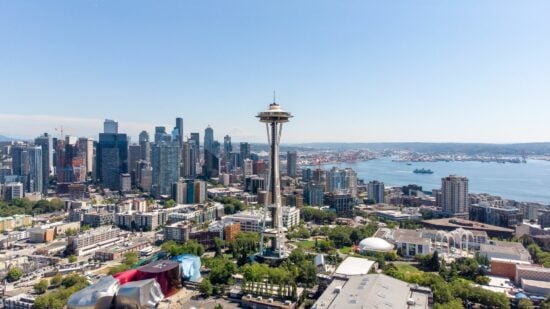
Imagine waking up in a city where lush green landscapes coexist with sky-high buildings and modern architecture. After rolling out of bed, can you picture yourself sipping on a latte at a local coffeehouse and reading outside on a cloudy day? Later in the day, you can stroll to the waterfront and sit at a restaurant where you can order fish and chips at almost any hour. Sound idyllic?
If you move to Seattle, these scenarios can be part of your everyday life. For those interested in calling the Emerald City home, let’s take a look at what you can expect.
Living in Seattle
Seattle may be a go-to vacation spot, but what does everyday life look like in the Pacific Northwest? Take a look!
Cost of Living
According to PayScale, the cost of living in Seattle is 50% more expensive than the national average. Looking at just the Pacific Northwest, Seattle is 50% more expensive to live in than other areas in the same region.
To put things into perspective, moving to California and living in Los Angeles or San Francisco is more expensive than residing in Seattle. On the other hand, relocating to Portland, Oregon, is more affordable than moving to Seattle.
As far as housing, housing costs in Seattle are 111% more expensive than housing in other parts of the country. You can also expect to spend about 25% more on groceries than other major U.S. cities. However, utilities are only 6% more expensive in Seattle than in other parts of the nation.
Real Estate & Housing
The diversity of Seattle’s housing market is one of its most attractive features. From renting townhomes and apartments to purchasing condos and single- or multi-family homes, you can establish any type of living arrangement in Seattle.
When it comes to apartment rentals, the average monthly rent is approximately $1,982 for a one-bedroom apartment of approximately 656 square feet. For a studio around 414 square feet, you’re looking at an average monthly rent of $1,456.
Meanwhile, two-bedroom apartments are renting for about $2,655, while three-bedroom units are upwards of $3,749 per month. Keep in mind that in most buildings, the largest apartment size in Seattle is a three-bedroom. But beware: units with more than three bedrooms are very rare in the big city.
According to RentCafe, the average home price in Seattle is $957,832, and the median mortgage rate is approximately 5.02%. It’s important to recognize that the exact costs of housing will be influenced by the specific neighborhood you move to in Seattle.
For instance, here are some of the most affordable neighborhoods in Seattle:
- South Seattle
- Chinatown
- North Seattle
- First Hill
These Seattle neighborhoods are typically more expensive than the rest:
- South Lake Union
- Downtown Seattle
- Queen Anne
- Capitol Hill
Weather
One thing native Seattleites always anticipate being asked when talking about where they are from is, “Does it really rain all the time in Seattle?” And the truth is… Yes and no.
While the city is not in a state of perpetual downpours, it rains often enough that Seattle has a reputation for doom and gloom. According to the Seattle Weather Blog, Seattle receives approximately 39.34 inches of precipitation annually You’re more likely to experience a rainy day than a snowy one, although snow isn’t a total rarity.
While it doesn’t rain all the time, Seattle is recognized as the cloudiest major city in the United States–Alaska and Hawaii aside. In fact, the Seattle Times reports that about 226 days per year are classified as cloudy.
Nature & Natural Areas
With Puget Sound and Lake Washington nearby, there’s plenty of nature to go around. For instance, the Burke-Gilman Trail offers a 27-mile cycling journey with stunning views of northern Seattle. Beaches like Alki and Golden Gardens are gorgeous year-round.
Meanwhile, the Agua Verde Cafe and Paddle Club combines waterfront kayaking with outdoor refreshments. In the summer, you can attend concerts at the Ballard Locks and music festivals near the Seattle Center. And don’t forget about the natural grandeur that Olympic National Park and the San Juan Islands have to offer!

Photo courtesy of Tripadvisor: Alki Beach
Things to Do
Seattle is where art lovers and coffee aficionados coexist. From Storyville and Anchorhead to Starbucks and Peet’s, you can grab a cup of Joe while exploring various attractions:
Public Transportation
For those newcomers, you don’t necessarily need a car to get around Seattle. The city is incredibly walkable, earning a walk score of 99. With a transit score of close to 100, it should be no surprise to hear that Seattle has some of the best public transportation options in the world.
The public transit infrastructure offers a wide array of options–from Sound Transit’s Link Light Rail to King County Metro’s RapidRide. Plus, with its robust biking infrastructure, many Seattle residents commute via bicycles.
Job Opportunities
Seattle is a city of major opportunity, especially for those who work for tech companies. Home to globally recognized employers like Amazon, Microsoft, and Starbucks, approximately 15% of Seattle professionals hold some tech-related role.
The job market tends to favor two industries: healthcare and tech. So, if you’re looking to join the tech industry or you are already part of it, Seattle is calling your name. Medical professionals are likely to thrive in Seattle as well.
Although you won’t find the cast of Grey’s Anatomy in any of the hospitals in the city, medical research is a large focus in Seattle, especially when it comes to cancer research institutes, treatment centers, and related organizations.
Schools & Universities
With over 500 schools in the Seattle area, some of the most popular colleges are the University of Washington, Seattle University, Seattle Pacific, and Seattle Central. The Seattle Public Schools system is made up of 106 schools across all neighborhoods. You also have the option to send your children to private schools as young as kindergarten.
The Best Places to Live in Seattle
As the name implies, the University District is ideal for college students moving to Seattle. Young people and couples who like going out will adore Capitol Hill. Meanwhile, West Seattle is more suitable for families big and small, whereas Queen Anne is home to many retired folks.

Photo courtesy of Homes.com: Upper Queen Anne, Seattle
How to Move to Seattle
When considering a move to Seattle, implement the following tips and tricks for the best experience.
Spread Your Relocation Over Three Months
Moving to Seattle can be overwhelming if you try to rush the move-in process. To reduce your stress levels, take it slowly and spread out your relocation over a few months instead of cramming your move into a one- to two-week span.
After all, what if the moving company you want to hire isn’t available during the week you plan to move? Alternatively, what if the week you plan to move happens to be one of the busiest times of year to move and, subsequently, one of the most expensive?
Just imagine how much more at ease you will feel if you plan to move over the course of three months instead of one week. You’ll have far more flexibility, both in terms of your schedule and your moving costs.
Take Advantage of Online Listings
When searching for housing options in Seattle, take a moment to look at online listings. In some instances, landlords will list deals that are only redeemable if you mention that you saw them online. These attractive offers may include one month of free rent or a three-month discounted rate.
By looking at online listings, you can get a feel for the layout of the unit or the amenities of a property before touring the area in person. This approach will prevent you from wasting time walking through housing options that don’t meet your preferences. For instance, if you need to move into a pet-friendly building, checking out online listings can ensure that you don’t schedule a tour for a pet-free unit.
Last but not least, when you look up housing options online, you’ll be able to see what current and former residents have to say about the place you might want to tour. This information can help you gauge the satisfaction of people with first-hand experience living where you’re considering renting, leasing, or buying.
Explore Before You Settle on a Neighborhood
Each Seattle neighborhood has its own set of quirks and charm, but not every part of the city will suit you. Take the time to visit different neighborhoods until you stumble across the one that feels like home.
Get a Washington Driver’s License and Register Your Vehicle Within 30 Days After Moving to Seattle
Check out the official Washington State DOL website to learn how to obtain a Washington State driver’s license. Also, inquire about the proper protocol for registering your car.
In Summary
Like any major city, it can take time to find housing in Seattle. Even if you locate the right rental to lease or property to purchase, you might have to wait before you can officially move in. If you can’t move everything into your new home right away, you might wonder what to do with your belongings.
Thankfully, you have options. Consider renting a storage space in Seattle. With the help of a self storage marketplace like Neighbor, you can rent safe, local, and budget-friendly storage units in the Seattle area.
FAQs
Is Seattle a Good Place to Move To?
The answer to this question depends on your personal preferences! It’s smart to weigh the pros and cons before deciding to move to Seattle.
How Much Do I Need to Live Comfortably in Seattle?
You’ll need a household income of at least $78,240 per year or $6,520 per month to afford a two-bedroom apartment in Seattle (and live comfortably). Note that $21.48 per hour is considered a living wage for a single, full-time employee.
How Much Do I Need to Make to Move to Seattle?
According to Apartments.com, in order to live comfortably while renting a one-bedroom apartment, you’ll need to make a minimum of $79,272 per year. This averages out to approximately $6,606 per month.
Is It Expensive to Move to Seattle?
Yes! Life within Seattle city limits is 50% more expensive than in other parts of the country.