


RVs parked in driveways and on RV pads may look idle, but for many homeowners, these recreational vehicles function as additional living space (additional space that’s just a hop, skip, and jump away from their current residence).
Whether for rental or full-time living purposes, it’s getting more and more popular to use RVs at home in residential settings. Instead of just taking up space, your stored RV can serve as extra living space if you have guests, older children, or family visiting that need somewhere to sleep (or potentially live). Think of it as a mother-in-law suite on wheels.
Traditionally, one of the downsides of using an RV at home was that you’d need to take it to a dump station anytime the black and grey tanks filled up. However, there are now ways to dump your RV waste at home, which can be a significant time saver.
Understanding Home RV Waste Disposal
Dumping your RV waste at home is extremely convenient compared to towing your rig to RV dump stations. In addition to saving time, you also save money on gas and dump station fees.
However, while dumping your RV waste at home is extremely convenient, it’s important that you dispose of your waste properly. Improper waste disposal can cause serious damage to the environment, contaminate the local water supply, and cause a serious stink around your home.
Legalities and Regulations of Home RV Waste Disposal
You may also face fines and penalties if the local authorities find out you disposed of waste improperly. Therefore, it’s essential to check your local regulations and building codes before you simply start dumping waste on your property.
Local laws and ordinances vary greatly, and what’s permissible in one area may be forbidden in another due to health and environmental concerns. You can find the rules and regulations for your area by contacting your local state legislature or by visiting their website.
4 Ways to Dump RV Waste at Home
Here are four great ways that you can safely and conveniently dump your RV waste at home!
Option 1: Use the Bucket Method
Pros: Straightforward, Cheap
Cons: Slow, Inconvenient
We’ll start with the hardest and most undesirable option – the bucket method. You don’t need to use your imagination to figure out what the bucket method entails. It literally means connecting a sewer hose to your RV and dumping the waste from your RV tanks into a bucket.
You then carry the bucket to a toilet, dump it in, and flush it down the drain. While you can use this option in a pinch, the bucket method is the slowest and most inconvenient way to dump RV tanks.
Option 2: Use a Macerator
Pros: Simpler than the Bucket Method
Cons: Difficult to execute if your RV is parked on a hill, Time-consuming, Messy

Next up, you can use a macerator to dispose of your RV waste. This method is similar to the bucket method but with a few subtle differences. Rather than using a bucket to transport your RV waste, you’ll connect the sewer hose from the RV to a macerator.
The waste then goes into the macerator, where it’s chewed up and disintegrated into liquid waste. Thanks to the garden hose on the opposite end of the macerator, liquid can flow from the macerator to a nearby toilet. Do note that if the waste needs to flow uphill, you’ll need a macerator pump to generate pressure and aid with the dumping process.
In addition to being time-consuming, messy, and smelly, macerators are also fairly expensive and require ongoing maintenance. Note: If a macerator is your only option, you may be better off going to a local RV dump station or campground dump station.
Option 3: Purchase an Above-Ground Septic Tank
Pros: Convenient, Local sewage company can dump the waste for you
Cons: Expensive, Smelly
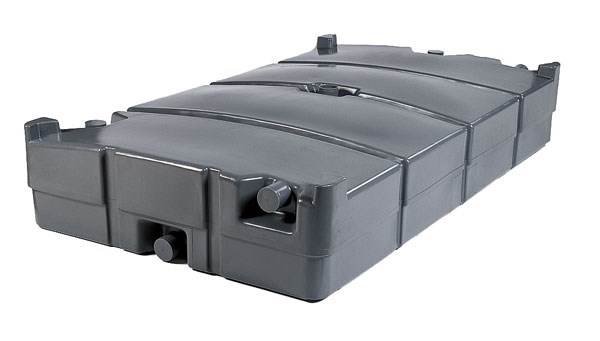
Another more convenient option is to purchase a separate, above-ground septic tank for your RV. You can position the tank close to your rig and dump RV waste directly into it. Then, when the tank is full, you can contact your local sewage company and have them empty the tank for you.
While this is a fairly convenient option, it’s also an expensive one. Above-ground septic systems cost a pretty penny, and there’s a good chance your property will smell like a sewage facility if the tank is located too close to your home.
Option 4: Connect to Your Home’s Septic System
Pros: Easy
Cons: If done improperly, you risk violating local building codes and regulations

We decided to save the best option for last. When it comes to dumping RV tanks, connecting directly to your home’s septic system is highly recommended. Whether your house’s sewer line is connected to its own private septic system or to a public one, this is your best and easiest option. Here’s how it works:
- For both a private or public sewer connection, locate the cleanout pipe.
- The cleanout pipe is typically made of PVC and has a cap on top. It should be sticking out of the ground somewhere on your property, most likely close to your house.
- The cleanout pipe grants plumbers access to your sewage line in case they need to make repairs.
- However, you can use it to dispose of your waste.
- To do so, connect your RV sewage hose to your RV dumping port.
- Remove the cleanout cap and connect the other end of the sewage hose to the top of the cleanout.
- You may need a special fitting or adapter to connect the sewer hose to the sewer cleanout pipe.
- When the connection is secure, you can dump your RV waste directly into the cleanout and into your home’s sewage system.
Before using this method, check the local building codes and regulations to ensure that you connect to the cleanout in a safe and legal manner.
Innovative Tools for Easier Waste Disposal (e.g., Portable Waste Tanks)
Regardless of which home waste disposal method you prefer, there are tools you can purchase to make the job easier. Using a high-quality macerator pump for fast and effective grinding and transportation of your waste is an excellent option.
Alternatively, if you go the bucket route, you can save time and energy by purchasing a portable waste tank. Portable waste tanks are anywhere from 20 to 40 gallons big and are on wheels so that you can easily tow them wherever you need to. You can then dump the contents of the waste tank into your toilet or sewage system.

Alternative RV Waste Disposal Options
If you don’t have the means to dispose of your RV waste at home via a private or public sewer system but don’t want to go to dump at dump stations or RV campgrounds, here are a few other options:
- Wastewater treatment plants
- Local recycling centers
- Truck stops and travel centers
- Boat marinas
- Gas stations
These locations are likely to have the necessary facilities, although some may require a small dumping fee.
Maintaining Your Home RV Dumping Station
Whether you opt for a macerator, a bucket, an above-ground sewage tank, or a sewer hookup to your septic system, it’s important to properly maintain your system of choice. That means regularly cleaning your equipment and using the right chemicals to prevent bacteria and sludge buildup.
Final Thoughts
In addition to maintaining your home RV dump station, it’s also important to properly maintain your RV. While there are many RV maintenance items to worry about, finding proper storage is one of the biggest. It’s important to keep your RV covered and protected during storage so that it doesn’t get damaged by pests, foul weather, or other external factors.
If you don’t have the means to properly store your RV at home, consider using Neighbor, a peer-to-peer storage marketplace. Neighbor can help you find safe and affordable RV storage in your area, including covered and climate-controlled options!
Frequently Asked Questions
Is It Legal to Dump RV Waste at Home?
As long as you adhere to local building and health regulations, it’s perfectly legal to dump RV waste at your home.
What Protective Gear Should I Use When Dumping RV Waste?
It’s best to use goggles and gloves anytime you dump RV waste to avoid splashing and contamination.
Can I Connect My RV Directly to My Home’s Septic Tank?
While you cannot connect your RV directly to your home’s septic tank, you can connect your RV hose directly from the RV to the tank. However, you should always use an RV hose rather than hard piping to make the connection so that you can still move your RV if necessary.
What Maintenance Is Required for My Home RV Dumping Station?
A big part of maintaining your home RV dump station is regularly cleaning your sewer hose and fittings. You should also regularly rinse and add an enzyme-based cleaner to portable and above-ground septic tanks. However, if you use your home’s septic system, no extra cleaning or maintenance is necessary–aside from your sewer hose and fittings.