
Can you live in a storage unit to save on rent? It’s a fair question when storage costs a fraction of what an apartment does. But the answer is: not legally, and it’d be dangerous to try.
We reviewed self-storage lease agreements and state occupancy laws across the country, including California’s Self-Service Storage Facility Act, to get a detailed view of the safety and legality.
Here’s what that research turned up, and what to do instead if you need somewhere safe and cheap to land.
Can You Live in a Storage Unit?
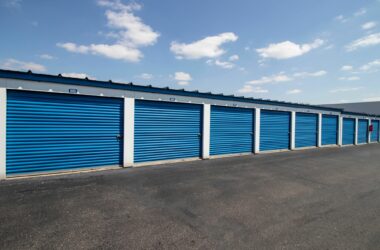
No, you can’t legally live in a self-storage unit. They lack ventilation, plumbing, and safe exits, and most units don’t have electricity.
Living in a storage unit also breaks the rental agreement and violates local zoning and building codes. Your lease only covers the storage of personal property, and facilities use cameras and access codes to monitor for unauthorized use.
If you’re renting a different type of unit, like a garage or basement on Neighbor, your host will notice how often you’re on their property. Living there isn’t allowed, for many of the same reasons.
6 Legal Reasons You Can’t Live in a Storage Unit
Here’s what’s at stake if you try, and the legal reasoning behind the ban on living in storage spaces:
- Zoning and building codes prohibit it: For instance, California’s Self-Service Storage Facility Act states that “No occupant may use a self-service storage facility for residential purposes.” Storage facilities are zoned for commercial storage, not residential use.
- It voids your rental agreement: Your lease gives the facility or host the right to end your rental if they determine that someone is living in your unit. That’s true across every type of storage space.
- Insurance policies exclude it: Storage insurance covers stored property only, it doesn’t extend to anyone living in a unit. This is one reason facilities monitor so closely.
- You risk eviction and legal trouble: Getting caught can mean immediate eviction and losing access to your belongings. Depending on the state, it can also lead to trespassing charges or other consequences tied to zoning violations.
- It can trigger child endangerment concerns: The safety issues, like temperature swings (more on this below), can be especially harmful for kids, and there’s a risk of Child Protective Services getting involved if you’re caught.
- Facilities are built to notice: Cameras, digital access logs, and frequent rounds by security staff make it hard to go undetected. Hosts, too, are quick to spot when you’re coming by every day, for instance.
Why Living in a Storage Unit Isn’t Safe
Storage units aren’t built for daily living or working. Here are the risks to be aware of:
- Fire hazards: Using a hot plate or space heater increases the risk of fire because units aren’t wired or ventilated like homes.
- Lack of running water and sanitation: Units don’t have plumbing, so there’s no sink, toilet, or shower. Going without basic hygiene can lead to real health problems before long.
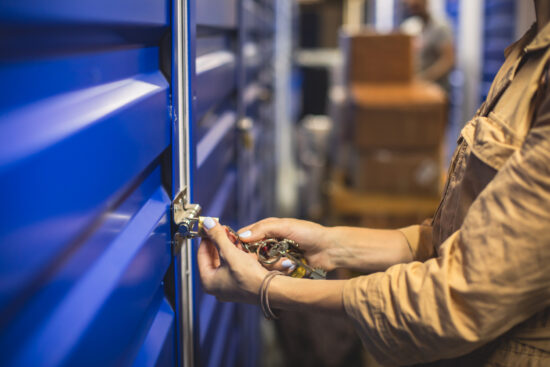
- Risk of getting locked in: Most units lock from the outside. Staff walk-throughs can leave you trapped inside without warning, which turns dangerous fast if there’s a fire or another emergency.
- Poor ventilation and carbon monoxide risk: Units don’t have enough airflow to be safe. And running a fuel-powered heater or generator inside a unit can build up carbon monoxide within minutes.
- No natural light: Most units are sealed boxes with no windows. Going without daylight for extended periods can affect your sleep and mood.
- No electricity: Many units don’t have outlets, and trying to wire one can cause a fire or just tip off staff that you’re planning to live there.
- Extreme temperatures: If your unit doesn’t have climate control, the temperature inside can lead to hypothermia or heatstroke. Storage units get up to 30°F hotter than the outside air in summer, for instance.
What to Do if You’re Facing Housing Insecurity
If you’re short on housing options, you’re not alone, and there’s help available. A storage unit isn’t a safe or legal fix, but these resources can help you find one:
- Call 211: Dial 2-1-1 or visit 211.org to connect with local shelters, rental assistance organizations, and case workers.
- Look into emergency shelters: Organizations like the National Coalition for the Homeless and the Salvation Army offer short-term housing and can connect you with longer-term support.
- Check government housing programs: Section 8 and other local housing assistance programs can help you cover rent while you get back on your feet.
- Ask about veteran-specific support: The Department of Veterans Affairs has case workers and housing programs designed for people who have served.
- Explore HHS resources: HHS.gov has a directory of federal resources for people experiencing homelessness, including health centers and runaway youth programs.
Storage Can Help While You Find Stable Housing
You can’t live in a storage unit, but it can keep your things safe and out of the way while you sort out the next step.
Neighbor lets you compare storage units from nationwide facilities with spaces like unused sheds and garages in your area, often priced up to 50% less than traditional storage.
Browse photos, descriptions, and reviews for every listing, and message your host with any questions before you request to book. The host then has 24 hours to accept.
You can add up to $25,000 in renter property protection to any booking, and Neighbor is backed by 689,000+ reviews averaging 4.9 stars.
Find your spot online, or give us a call to talk through your options.
Frequently Asked Questions
Is it illegal to live in a storage unit?
Yes, it’s illegal to live in a storage unit in the United States. California and other states have explicit legislation prohibiting it. Living in a storage unit also breaks your rental agreement.
Do storage facilities know if you’re living there?
Yes, storage facilities can tell. Cameras, access logs, staff walk-throughs, and observant renters make it hard to stay unnoticed. If you’re renting a private garage or shed on Neighbor, the host will also notice how often you’re coming and going without boxes, for example.
Can you sleep in a storage unit overnight?
No, sleeping in a storage unit overnight isn’t allowed. Units lock from the outside, so there’s a risk you’ll be trapped. Units also lack ventilation, plumbing, and (most often) electricity. Plus, unless your unit is climate-controlled, the extreme temperatures can be dangerous.
Do people still try to live in storage units?
Yes, some people do, usually as a last resort when safe, legal housing feels out of reach. It’s an understandable response to a difficult situation, but facility staff and hosts tend to notice the signs quickly.