

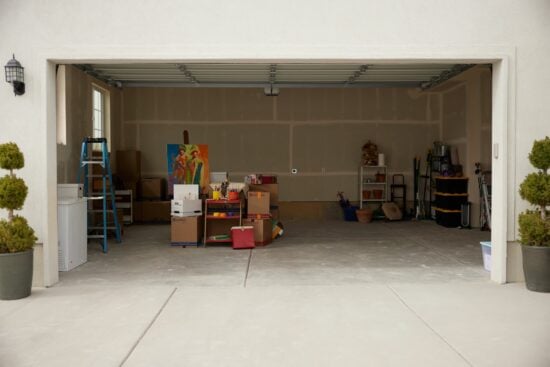
“Are storage units safe?” It’s a question that comes to mind when storing our valuables away from home, especially collectibles and sentimental items like family photos.
Sure, storing extra furniture, family keepsakes, or seasonal gear in a storage unit can feel like the perfect solution.
You’ll have more space.
You won’t have to worry about things piling up at home.
…But a self-storage unit won’t wash away all your worries.
You’ll still have to weigh the everyday risks of self-storage: break-ins, busted pipes, and pests (for example)
But don’t let these pre-storage jitters rule out self-storage completely. You’ll just need to pre-screen your chosen storage facility before signing a rental contract. Unique options, such as Neighbor, are considered the cheaper, closer, and safer option.
The truth is that most storage facilities can be safe, but only if both the facility and the renter do their part.
Here are the most common storage facility hazards to keep top of mind when screening different self-storage companies in your area.
Are Storage Units Safe?
Here’s a quick overview of some of the most common self-storage facility hazards, along with some tips on preventing damage to personal belongings should one of these situations unfold.
| Hazard | Risk Level | Repair Cost | What to Watch For | How to Prevent It |
| Break-ins | Moderate | $$$ | No gate, weak locks, & limited cameras | Use a disc/cylinder lock, and choose a secure facility |
| Water / Mold / Mildew | Moderate | $$ | Ground-level units, stains, & musty smells | Climate control, elevate items, & use plastic bins |
| Fire Hazards | Low | $$$ | No sprinklers, poor wiring, flammable items | Verify fire systems, store non-flammable items only |
| Pests | Moderate | $–$$ | Droppings, spider webs, and rat traps | Use sealed bins, and ask the provider about their pest control measures |
| Hazardous Leaks | Low | $$ | Chemical smells, oil stains | Pick facilities with strict policies |
| Staff Negligence | Low to moderate | $$ | Poor lighting, dirty hallways | Read reviews, ask about maintenance |
| Dust / Dirt Buildup | Moderate | $ | Dirty vents, dusty floors | Cover items & use breathable wraps |
| Weak Security | High | $$$ | Poor lighting, no camera coverage | Choose 24/7 monitored, gated sites |
Hazard‑by‑Hazard Analysis
Here is a more detailed breakdown of all the issues you may encounter when renting a storage space.
Note that while the risk of some of these issues is low, it is prudent to be aware of them before they become a problem.
Hazard #1: Break‑ins
The most common concern is break-ins. Can someone gain unauthorized access to your storage space and steal or destroy your belongings? This is the question weighing on your mind.
The good news is that storage companies are (usually) just as concerned with this issue as you are.
What a facility can do to prevent it:
Look for storage facilities with gates and cameras. Having staff present is one of the most effective security measures in deterring break-ins.
It’s a red flag if there are few or no visible security cameras, poor lighting, or no indication of after-hours surveillance. Choose a facility with well-lit hallways, surveillance cameras, and motion-activated lighting. Look for digital surveillance covering every hallway, not just the front entrance.
These things will deter potential thieves before they even attempt to gain access.
What you can do:
If possible, upgrade to a tamper-resistant disc or cylinder lock. Additionally, avoid placing high-value or name-brand items near the front of your unit, and take photos of everything for insurance purposes.
Hazard #2: Water Damage, Mold, and Mildew
In addition to having a secure storage unit, you also want to look for one that will keep your belongings clean and dry. In some areas of the country, you’ll want to pay for climate-controlled storage to keep mold and mildew at bay.
What a facility can do to prevent it:
When selecting a storage unit, inspect for water stains on the ceiling or walls. In facilities where mold is rampant, you’ll notice musty smells or signs of past flooding. Self-storage facilities that are proactive about water damage and mold will invest heavily in routine maintenance and inspections.
What you can do:
Beyond investing in a climate-controlled unit, there are other ways to prevent mold or mildew from growing. Elevate boxes and furniture on wooden pallets, use sealed plastic bins instead of cardboard, and leave at least an inch of space between stored items and the walls to promote better airflow.
Hazard #3: Fire Hazards
What a facility can do to prevent it:
Many storage facilities conduct regular inspections of their fire systems to ensure a renter’s items would be safe in the event of a potential fire.
Some tell-tale signs of a facility that isn’t committed to fire safety include the following: absence of visible sprinkler heads, old wiring, or even evidence that other renters are storing fuel, paint, or other flammable materials. Note that a well-maintained and properly run storage facility will have no problem showing you its recent fire inspection report and emergency protocol.
What you can do:
But fire safety isn’t the responsibility of the facility alone. There are also preventative measures you can take. For starters, you can ensure that you never store anything in a storage unit that’s flammable or combustible, even if those items are in sealed containers. If possible, you will also want to avoid cluttering your unit with flammable packing materials, such as loose paper or bubble wrap.
Hazard #4: Pests
One of the main reasons people choose to store their items in an off-site self-storage unit is a bubbling fear that pests could damage something that’s currently stored in their own garage, basement, or attic.
What a facility can do to prevent it:
When using a self-storage unit, look for warning signs, such as rodent droppings, insect carcasses, or pest traps that appear full or have been left unattended for an extended period.
What you can do:
Beyond thoroughly screening a self-storage facility, you can also do your due diligence by using airtight plastic bins for anything chewable or absorbent. Avoid storing food or scented items. Wrap upholstered furniture in breathable covers (not plastic), and confirm that the facility has a monthly pest control program in place.
Hazard #5: Substance Leaks
What a facility can do to prevent it:
As a precaution, verify that the facility explicitly prohibits hazardous materials in its rental agreement, and don’t be afraid to ask how those rules are enforced.
The following security features at a storage facility will help keep you and fellow renters safe. If you notice chemical smells in the hallways or oil stains on the pavement near other units, you may want to consider choosing another storage facility to keep your belongings safe.
What you can do:
As for what you can personally do, always store delicate items (e.g., art, photos, fabric, electronics) on shelves or in sealed waterproof bins.
Dirt and Dust Accumulation
What the facility should do:
Even the best self-storage unit in your local area will have issues with dust from time to time. However, you do want to look for red flags, such as thick dust on HVAC vents, dirty hallway floors, spiderwebs in corners, or units with no signs of recent cleaning.
What you can do:
Once you’ve verified that your self-storage facility is committed to routine cleaning, here’s what you can do. Cover stored furniture with cotton sheets (never plastic, which traps moisture). Wipe electronics with a microfiber cloth before storage. Avoid storing directly under vents or near entry doors, where dust is more likely to enter.
Staff Negligence
When considering all the things that could happen to your stored stuff, one of the last things to come to mind is staff negligence. From daytime workers and managers to security personnel, you want to ensure that the entire facility is well-maintained and that the staff is committed to keeping your belongings safe.
Look for signs of neglect, such as overflowing garbage bins, burnt-out lights, inadequate interior lighting, visibly damaged locks or doors, or unresponsive staff during business hours. Reading recent reviews will help you find out if this is the right storage unit for you.
Facilities that take a hands-off approach often end up with issues that were completely avoidable.
Safety Is a Two‑Way Street
When you store your belongings at a self-storage unit, you can’t expect a facility to assume 100% of the responsibility for ensuring your stored items stay safe. Even the best facility can’t protect your belongings if you leave a flimsy lock on the door.
Use the checklist below to determine which tasks fall to the storage provider and which ones are your responsibility.
| Storage Provider Should… | You Should… |
| Maintain 24/7 digital surveillance and bright lighting | Use a tamper‑proof disc or cylinder lock |
| Provide gated or keypad‑controlled access | Keep an up‑to‑date inventory with photos |
| Perform regular pest control and maintenance inspections | Elevate items on pallets and cover furniture |
| Enforce a strict no‑hazardous‑materials policy | Never store fuel, paint, or food‑like items |
| Install sprinklers, smoke detectors, and fire extinguishers | Purchase renter’s or homeowner’s insurance that covers off‑site storage |
| Offer climate‑controlled units in humid regions | Choose climate control for wood, leather, photos, and electronics |
| Respond quickly to leaks, outages, or security alerts | Visit during daylight hours and bring a friend when possible |
Final Thoughts
One of the most overlooked self-storage risks is how far your unit is from home. If your personal belongings are stored across town, you might not notice damage, theft, or other issues until it’s too late.
If you’re still asking, “Are storage units safe enough for my things?” It may be worth exploring alternatives closer to home. Neighbor is a marketplace that helps you find secure, affordable storage right in your own neighborhood. Whether you need climate-controlled storage, space for seasonal items, or even vehicle storage, Neighbor offers convenient, local options that may feel safer and easier to manage.