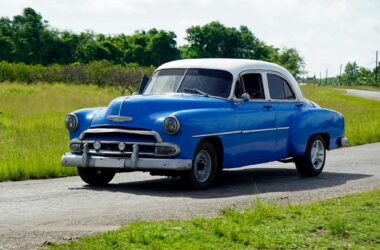


Anytime you purchase a car, and the negotiating is done, the thought of insurance can quickly bring a few seconds of panic. You know it needs to be insured, but pricing is always a problem.
If you’re wondering about the cost of classic car insurance and whether or not your vehicle is eligible, we have all the data and pricing you need.
Classic Car Insurance Rates
With annual rates typically ranging from $200 to $1000, the cost of classic car insurance tends to be significantly more affordable than regular car insurance. The main reason behind the difference in cost is the unique nature of classic cars and their usage.
These classic vehicles are not used as daily drivers and often spend most of their time safely stored away, reducing the risk of accidents and theft. In addition, people are more likely to take good care of their classic cars than the other cars they own.
Factors Influencing Classic Auto Insurance Rates
It’s important to note, however, that actual rates can vary widely based on multiple factors.
Here are some of the factors that must be incorporated into the total cost of the premium.
- The driver’s location
- Driving history
- The vehicle’s value
- Age and driving records of the drivers
| Car Classification | Description | Average Annual Premium |
| Premium Classic | Rare, high-value vehicles, often limited editions or with historical significance. | $1,000 – $3,000 |
| Mid-Range Classic | These are common classic models in good condition, popular among collectors but not exceptionally rare. | $500 – $1,000 |
| Average Classic | Older vehicles that qualify as classics but are more common and have lower market values. | $300 – $600 |
| Project Classic | Classics that are in the process of restoration or not in mint condition. | $200 – $500 |
Classic Car Insurance Policy vs. Traditional Car Insurance
The policy you purchase for your classic car lends different coverage than that of a traditional car insurance policy. This table outlines what classic car insurance offers classic car owners.
Remember that the valuation of classic cars can be a little difficult to navigate and is usually an agreed-upon value between the insurance company and the car owner.
| Coverage Type | Classic Car Insurance | Traditional Car Insurance |
| Comprehensive | Typically agreed-upon value coverage, without depreciation in the event of a total loss. | Pays for damage from non-collision incidents but factors in depreciation. |
| Collision | Can be more expensive because of the higher agreed-upon value and specialty cost to repair. | Covers damages from collisions but considers the car’s current market value. |
| Liability | Similar coverage options as traditional policies. | Standard liability coverage for bodily injury and property damage. |
| Windshields & Glass | Often included; some policies offer no-deductible glass coverage. | Usually included, but may require a deductible. |
| Roadside Assistance | Specialized for classic cars, including flatbed towing to prevent damage. | Standard roadside assistance. |
| Usage Restrictions | Mileage limits or restrictions on daily use. | Generally no restrictions on usage. |
| Storage Requirements | May require secure, possibly climate-controlled storage. | No specific storage requirements. |
Saving Money on Classic Car Insurance
There are several ways to maximize savings on these policies. These include taking advantage of discounts and deals offered by insurance companies, as well as customizing coverage to fit individual needs and budgets.
Insurance providers for classic cars generally provide a discount of 15-20% on comprehensive coverage when anti-theft devices are installed in the vehicle.
Bundling your classic car insurance with your other insurance policies can also be a great way to be eligible for discounts.
Image Credit: Pixabay
Classic Cars Eligibility and Premiums
Specialty insurance, such as classic car insurance, is designed for vehicles with historical significance stemming from their age or unique features. It differs from regular car insurance in a few key ways.
Age Matters: Antique vs. Vintage vs. Classic
The distinctions between antique, vintage, and classic cars are important because they often determine a car’s eligibility for classic car insurance. Here are the definitions:
- Antique cars: 25 years or older according to classic car insurance policies
- Vintage cars: This term typically refers to cars that were manufactured between 1919 and 1930
- Classic cars: Defined by the Classic Car Club of America as a ‘Fine’ or ‘Distinctive’ automobile, American or foreign-built, produced only between 1915 and 1948
These definitions are important to know when determining the insurance coverage for your car.
In the context of classic car insurance, a car is generally deemed to be vintage if it has reached the age of 25 years or more. These classifications help insurance companies establish guidelines for coverage and impact the overall cost of insuring these vehicles.
Collector’s Pride: Insuring Collectible Cars and Muscle Cars
Aside from antique, vintage, and classic cars, collectible cars and muscle cars also often qualify for collector car insurance as well as classic car insurance cover.
Collectible cars are typically defined as vehicles over 10 to 15 years old or cars with historical or collectible significance.
Muscle cars, on the other hand, are defined by their powerful engine, make and model, horsepower, number of cylinders, and size and weight.
Time Spent on Road and Mileage
Classic cars spend reduced time on the road. Since they are not everyday drivers, the chance of an accident is considerably lower. In fact, some classic cars just travel to car shows and events.
In addition, many classic car policies will restrict how many miles you can put on your car year after year. Most policies have a 7500-mile-per-year limit, but some can be even less.
Storage and Security
Insurance costs also hinge on your adherence to proper storage and security measures for classic cars. Insurance companies typically recommend storing classic cars in an enclosed, secure structure like a garage, carport, or storage unit when not in use. Storing your classic car in a locked garage can offer enhanced protection and potentially result in lower insurance rates.
Fail to do so, and you might have to pay the price in higher insurance fees.
Summary
Remember that having good insurance is not enough if you don’t store your vehicle in an enclosed place to protect it from moisture and snow.
If you aren’t planning on using your restored classic car as a daily driver, you may lack space in your own garage for the restored vehicle. Consider renting a residential garage or a storage unit in a climate-controlled facility. That way, your classic vehicle will remain protected from extreme weather conditions and theft, which is a high risk due to its value.
Neighbor is a peer-to-peer storage marketplace that provides safe, nearby, and budget-friendly indoor and climate-controlled storage spaces for your classic car. Owning classic and collector cars means you need a great place to store them.
Frequently Asked Questions
Are Classic Cars More Expensive to Insure?
Classic cars are less costly to insure as most classic car insurance companies limit the mileage and usage of the vehicle. This, in turn, decreases the risk of a car accident or damage to the vehicle.
Are Classic Cars More Expensive to Insure?
A classic car can be insured as a daily driver, but you will not reap the benefits of lower classic car insurance costs. The pricing will be considerably higher, and incidents like collisions may not be covered.
Is Full Coverage Worth It on Classic Cars?
Full coverage on classic cars is typically worth it because classic car insurance covers the vehicle up to an agreed value, which is important for maintaining or increasing its value over time. Regular car insurance may not offer as much coverage.
How Does Car Insurance Work for Classic Cars?
Classic car insurance typically works by offering coverage for an agreed value or actual cash value, with the owner and insurer determining the vehicle’s worth and insuring it accordingly. This coverage may include liability, comprehensive, collision, and other specialized coverages to protect the collectible vehicle.