


When you’re preparing for a move, starting a business, or simply running out of space at home, choosing the right storage option can feel overwhelming. With limited time and plenty of decisions to make — from selecting the right unit size to determining whether you need climate control — understanding how storage works can save you time, money, and stress.
Because most storage rentals require at least a month-long commitment, it’s worth taking a moment to understand your options before rushing into a decision. This guide gives you a clear, high-level look at the most common types of storage so you can confidently pick the solution that fits your needs.
Storing personal possessions: furniture, electronics, appliances, seasonal items, etc.
Whether you’re storing holiday decorations or the relics of your high-school garage band, here’s what to consider when weighing between self-storage and full-service storage.
Self storage unit options
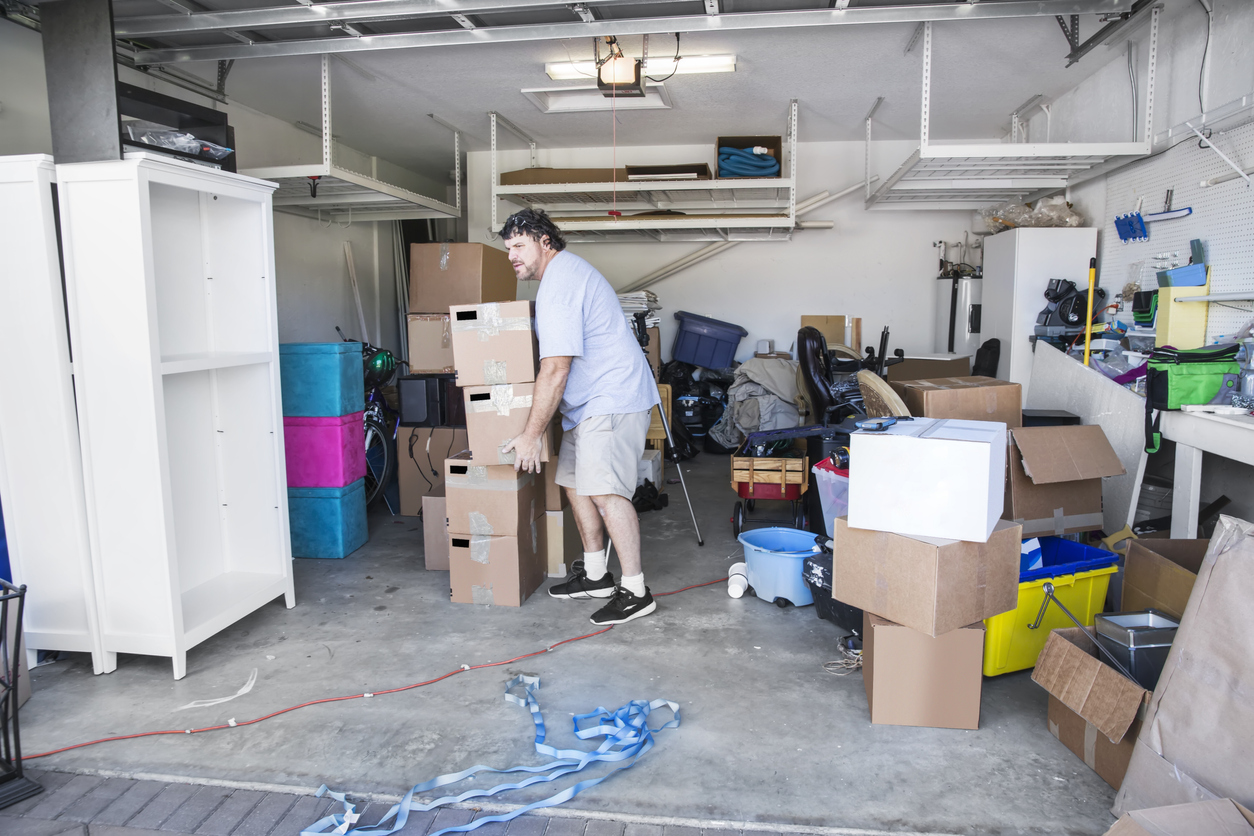
Traditional self-storage puts you in full control of how and when you access your stored belongings. After selecting a facility and choosing your unit size, you transport your items, organize them the way you prefer, and visit the unit according to the location’s access hours.
Facilities often offer a range of sizes (5×5, 5×10, 10×10, 10×20, etc.) as well as features such as drive-up access or climate-controlled units. Renters may also have the option to purchase insurance through the facility.
Perks of self storage facilities
- Wide range of unit consitent sizes and features
- Flexible access depending on the facility
- Ability to organize, add, or remove items on your schedule
- Many facilities offer climate control and indoor storage
Considerations
- Facilities may be located slightly outside residential areas
- Some locations have limited unit availability during busy seasons
- Access often aligns with facility business hours
- Insurance, climate control, or premium features may increase cost
Storage Marketplaces (Including Neighbor)
Storage marketplaces bring together many types of storage options—traditional self-storage facilities, portable storage providers, commercial spaces, and unique local storage options—all in one place.
Instead of searching facility by facility, renters can compare availability, features, and pricing across different storage formats in their area. This helps expand visibility for traditional facilities and gives renters a broader view of what’s available near them.
Neighbor, for example, is the largest self storage and parking marketplace that makes it easy to discover a wide range of storage options in one search. By listing both traditional units and other space types, it helps renters evaluate choices based on cost, distance, size, and features. For more information check out this FAQs page.
Whether you’re interested in renting the shed in your neighbor’s backyard (for a fraction of the cost of a traditional self-storage unit), or looking to rent out your own unused space, self-storage marketplaces are ready to lend a hand.
Perks of using a storage marketplace
- Centralized place to compare all available storage types
- Options in many neighborhoods and locations
- Ability to filter by size, access type, features, and more
- Helpful for finding nearby storage when facility availability is tight
Considerations
- Features and access vary by the type of space selected
- Insurance and protection plans depend on the category of listing
Full-service storage facilities
Full-service storage takes a hands-off approach. A team comes to your home, picks up your items, transports them for you, and stores them in a facility. You receive an inventory list, often online, and can request item returns via phone or app.
This option is often used by renters who prefer professional handling, are short on time, or have mobility limitations.
Perks of full-service storage
- Pickup and transport handled for you
- Online inventory available
- Many facilities provide indoor, secure environments
- Can reduce the need for rental trucks or moving labor
Considersation
- Availability varies by region
- Access to stored items generally requires scheduling a return
- Costs vary depending on service level, location, and pickup/return fees
Storing your vehicle
Looking to store your daily driver for a week while you take a business trip? Planning on extended military leave and need a home away from home for your collector car?
Unlike with storing personal belongings (collectibles, music equipment, a spare couch), full-service storage isn’t usually an option when storing a car. But you’ll still have tradtional storage and local spots in your community you can rent out.
Self storage for vehicles
Perks of traditional self-storage
- Indoor and outdoor options depending on your needs
- Some units offer drive-up access
- Covered parking available in some regions
Consideration
- Availability of large or tall spaces varies by facility
- Insurance requirements may apply
- Outdoor lots may have varied security features
Price for vehicles
While car storage prices vary radically depending on the size of your vehicle and the features you require, car storage costs can be up to 50% cheaper when you look on Neighbor.
Storage costs for a compact sedan: $44 at Neighbor
Storage cost for a minivan or SUV: $72 at Neighbor
Storing your boat
Boat storage varies widely depending on the size of the vessel and where you live.
Perks of traditional self storage
- Lower cost than specialized marina storage
- Indoor options help protect smaller vessels
- Easy pick-up access at drive-up units
Considerations
- Limited indoor options for larger boats
- Height restrictions at many facilities
- Outdoor lots may place boats near other stored vehicles
Storage Marketplaces for Boats
Marketplaces expand the number of available options by listing both traditional facilities and unique local space such as large driveways, side yards, or commercial lots.
Perks
- Availability across many neighborhoods
- Useful for finding large, open-air spaces
- Indoor and outdoor options depending on listing type
Considerations
- Must confirm space size and access for towing
- Features and security vary by listing
Price of boat storage
The cost of boat storage varies widely depending on the size of your boat and the features included in your storage space package. For instance, indoor storage is considerably more expensive (especially for larger vessels). You can expect to pay between $50 and $200 per square foot of boat indoors and $20 to $50 per square foot of boat outdoors. However, wet slip storage is more expensive than typical outdoor storage.
Storing your RV
Unless your RV serves as your primary home, you’ll likely need a practical storage option away from your home. After all, your family won’t want to navigate around such a large vehicle every day, and it’s likely not the view your neighbors wish for.
For most RV owners, finding affordable, secure storage with all the right options is a major concern. After all, not every city is overflowing with garage storage space for a home on wheels.
Finding storage options for your RV can be difficult due to the vehicle’s sheer size and height. Typically, full-service storage isn’t usually available for RVs. However, there is a small selection of indoor, self-storage options available for smaller RVs and a broader array of outdoor, self-storage options for many types of RVs.
Perks
- Multiple outdoor parking options
- Covered storage available in some areas
- Some indoor spaces for smaller RVs
Considerations
- Larger RVs (Class A, Class C) may exceed facility dimensions
- Indoor RV storage can be limited
- Insurance and additional security needs vary
Marketplace options for RVs
Using a storage marketplace can help you locate a broader set of options for RVs — including traditional facilities and unique oversize spaces that may fit vehicles that don’t fit in standard storage lots.
Perks
- Broad geographic availability
- Ability to filter by RV size and access needs
- Options for both indoor and outdoor storage depending on listing
Considersations
- Urban areas may have specific property-use restrictions
- Outdoor features vary by listing
Price of self storage for RVs
RV sizes range from pop-up campers to yachts. Typically, the size of the RV is reflected in the price. For example, the cost to store a small RV outdoors can be as little as $67. But indoor storage for a Class A RV can be over $400 a month.
Factors that affect traditional RV storage costs include:
Location (prices vary from state to state)
Size (RVs come in all shapes and sizes)
Indoor or outdoor storage
Amenities (may include temperature control, electricity, battery charging, and sewage dumping)
Still deciding?
If you’re unsure which storage format is right for you, starting your search on a storage marketplace like Neighbor can help you quickly compare your options. Neighbor brings together traditional self-storage units, portable storage alternatives, and unique local storage spaces in one place — giving you a clear picture of what’s available nearby, what features each option offers, and what fits your needs.
This helps renters make more informed decisions while supporting the broader storage ecosystem by increasing visibility and access across all storage types.