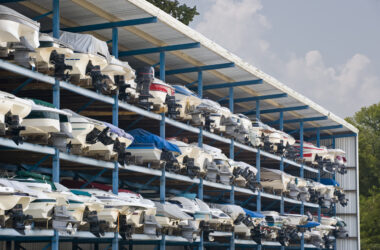


After a successful season on the water, you have to find a place to store your boat for the winter season. It’s never a fun time of year to put the boat away, but the end of boating season is that much more sour when you’re short on options for winter storage for boats.
The good news is you do have options. And we’re here to introduce you to some of these top-rated boat storage methods. Remember that your location, budget, and the size of your boat are all factors that will play into this decision.
Winter Boat Storage Options (Pros & Cons)
Selecting the proper winter storage for your boat is a pivotal decision that demands careful consideration. Boat owners must weigh elements such as cost, protection from harsh weather conditions, and accessibility.
It’s not just about finding a place to park your boat for the winter. It’s about choosing a location that offers the optimal conditions to preserve your boat’s integrity and ensure it’s ready for the water when the boating season returns.
Available boat storage options for winter boat storage include:
| Storage Option | Pros | Cons |
| Indoor Storage Facility | Excellent protection from elements, secure | It can be expensive to store boat indoors, less accessible |
| Shrink Wrapping | Affordable, protects against moisture and pests | One-time use requires reapplication |
| Dry Stacking | Saves space, protects from weather | Limited availability can be costly |
| Home Garage | Cost-effective, convenient, personal supervision | Space limitations may not fit larger boats |
| Outdoor Storage at a Marina | Security, easy water access in season | Less protection from elements |
| Boatyard Storage | Access to maintenance/repair services | It can be expensive, and less personal supervision |
| Covered Outdoor Storage | Protection from direct exposure, more affordable | Requires space on property, less protection |
| On-Property Open Air Storage | Budget-friendly, easy access | Exposed to elements, security concerns |
| Climate-Controlled Storage Units | Stable environment protects from extreme temps | It can be costly, location-dependent |
| Public Storage Facilities | Widely available, varying space options | Varied security and access levels |
Choosing the Right Winter Storage for Your Boat
Now that you have a better idea of the different options you have for storing your boat. Let’s consider the considerations you should make when selecting a storage facility.
Outdoor vs. Indoor: Weighing the Costs and Benefits
Outdoor boat storage is typically the more economical option but provides less protection against the elements. Many boat owners turn to their driveway or yard for storage, especially for smaller boats that can be easily transported and stored on a trailer.
The problems boat owners face with outdoor storage include:
- Potential threats from pests
- Rain, Snow, and UV Radiation
- Mold and mildew issues
On the other hand, indoor boat storage offers superior protection against the elements, albeit at a higher boat storage cost. Indoor storage facilities, including dry stack storage, protect your boat from environmental elements, ensuring it stays pristine during the off-boating season.
The average price for outdoor storage is around $20 to $50 per foot per season. For indoor winter storage options, the price increases considerably to $50 to $200 per foot per season.
Climate-Controlled Storage
If you live in a region with harsh winter conditions or own a particularly valuable vessel, consider investing in a climate-controlled storage facility. These facilities offer the best protection against temperature fluctuations and humidity, keeping your boat in top condition throughout the winter months.
While climate-controlled storage facilities offer superior protection, they are also the most costly indoor storage option. Expect pricing to be more than $75 per foot per season for dry storage that is also climate-controlled.
Shrink Wrapping vs. Boat Covers
Shrink wrapping provides a secure barrier against external elements, preventing snow and ice accumulation and resisting moisture. This protection will safeguard against mildew formation.
Shrink wrapping will shield the boat from environmental elements, pests, and dust. However, its lack of breathability may lead to mold formation.
On the other hand, a boat cover protects a boat during winter storage by creating a shield against elements such as rain, snow, UV rays, bird droppings, and debris (while still promising breathability).
High-quality covers also allow moisture to escape, preventing condensation and mold formation. Boat covers must be fitted to the exact size of your boat if you wish to keep the boat outdoors.
Selecting a Marina or Storage Facility for the Winter
When choosing a facility, it’s essential to evaluate the services and packages they offer, as well as the location and accessibility of the facility.
The services provided by storage facilities commonly include boat washdowns, winterization, and shrink wrapping.
Some facilities might also offer additional services, such as battery maintenance and regular inspections. It’s also a good idea to check if the marina or storage facility provides insurance coverage, which can provide additional peace of mind during winter.
Evaluating Marina Services and Packages
When evaluating marinas or storage facilities, it’s important to look at the services and packages they offer. A comprehensive winterization package from a marina typically includes the following:
- Haul-out and storage
- Winterization of systems
- Shrink-wrapping or covering
- Battery maintenance
- Regular inspections
- Access to maintenance and repair services
Location and Accessibility
The location of a storage facility can significantly impact how accessible your boat is, along with how easy it is to perform routine maintenance during the winter months (Yes, you’ll still need to keep up on routine maintenance, even when your boat is in storage). Here are some factors to consider when choosing a storage facility:
- Opt for a facility situated on land, which will ensure the boat completely dries, prolonging its lifespan.
- Select a facility near your home for convenience in routine inspections and maintenance.
- Look for a facility that offers heightened security and reassurance.
These considerations will help ensure that most boat owners have their boats well-maintained and easily accessible during winter.
Tips for How To Store A Boat For Winter
Once you have selected your boat storage option and know you have your boat protected, here are a few tips for storing a boat for winter.
- Wash and dry the boat to prevent mold and corrosion
- Fill the fuel tank and add a fuel stabilizer to avoid condensation
- Remove the charge and store the battery properly
- Flush the cooling system and use antifreeze.
- Cover the boat as best you can while still allowing for breathability
Summary
It doesn’t matter if this is your first season storing your boat or if you have had it for a dozen years; planning winter boat storage is crucial to protecting your vessel. Rain, snow, and humidity can cause irreversible damage to a boat’s engine. Indoor storage is the best option for better protection.
A 10’ x 30’ storage unit is an excellent solution for most boat owners. If you need alternative options in your area, check out Neighbor, a peer-to-peer storage marketplace. Neighbor provides safe, nearby, and budget-friendly boat storage.
Frequently Asked Questions
Can I Leave My Boat in the Water All Winter?
It’s best to store your boat ashore for the winter, especially if it has thru-hulls below the waterline that can’t be closed. Leaving a boat in the water all winter can compromise its security and lead to potential damage.
How Do I Store My Boat for the Winter?
To store your boat for the winter, thoroughly clean and dry it, winterize the engine, remove the battery, and cover it with a waterproof tarp or store it in a dry, secure area. Ensure the interior is ventilated and check for any necessary repairs before storage.
Can a Winterized Boat Be Stored Outside?
Yes, a winterized boat can be stored outside, but it should be covered with a high-quality, waterproof cover or shrink wrap and elevated on a trailer to avoid direct contact with the ground.
Should I Store My Boat for the Winter With a Full Tank of Gas?
It’s recommended to store your boat with almost a full tank of gas and a fuel stabilizer to prevent condensation and keep the fuel system in good condition.