


The choice between assigned parking and unassigned parking is a decision that directly affects tenant satisfaction and your property’s bottom line.
Here are the factors you’ll need to consider when determining the best parking model for your complex.
What Is Assigned Parking?
Assigned parking spaces are spaces designated for specific tenants. As far as how they are charged, assigned spaces are either included as part of the lease agreement or rented separately for an additional fee. For example, a tenant may pay an extra $50 to $100 per month for a reserved parking spot, depending on the location of the property and demand.
Pros of Assigned Parking
- Predictable: Few things are worse than driving around a parking garage and hunting for a parking space after a long commute. An assigned parking space can alleviate stress and frustration for your tenants. Just knowing that you’ll have a spot when you get home is a surprisingly desirable amenity. Life is already unpredictable enough, so a little parking predictability will go a long way.
- Extra Income: Offering assigned parking spaces as a premium amenity (at a premium price) allows property owners to generate additional revenue. It’s common for property owners to provide residents with one free assigned parking space and offer additional assigned spots for an additional cost. Other properties offer unassigned parking spaces for free, giving residents the option to “upgrade” to assigned parking for an additional monthly fee.
- Premium Perk: Assigned parking spaces can differentiate your property in competitive rental markets. For properties near public transit hubs or urban centers, tenants often value guaranteed parking as a convenience, so much so that they’re willing to pay extra for it.
- Controlled Access: Assigning spots ensures that non-residents or unauthorized vehicles don’t use your parking spaces. This is particularly important in areas where on-street parking is limited. It also adds a perception of security that can help tenants feel more at ease.
Cons of Assigned Parking
- Complex Management: Managing assigned spaces involves additional administrative labor, such as keeping track of which tenant is assigned which parking spot, managing parking permits, and addressing disputes if unauthorized parking occurs. Not only will assigned parking management require additional property manager time, but it may also require additional software (which can be costly). In addition, you’ll have to also be willing to implement a parking enforcement policy and develop a relationship with a tow truck company (in the case of illegal parking).
- Wasted Spaces: Vacant units with assigned parking spots can result in a surplus of unused spaces, reducing overall parking efficiency. For example, if five units are unoccupied, that’s five spaces sitting idle.
- Less Flexible: Tenants with multiple vehicles or frequent visitors may find assigned parking restrictive, especially if your property only allows one spot per unit. Usually, property managers see the most success (resident satisfaction-wise) with a mixture of assigned and unassigned parking spaces (or, at the very least, a guest parking lot).
What Is Unassigned Parking?
Unassigned parking spaces operate on a first-come, first-served basis. Tenants park in any available spot, increasing parking options. This arrangement gives residents greater flexibility–but it isn’t without its drawbacks. So, choose carefully.
Pros of Unassigned Parking Spaces
- Simple: Since you don’t need to track which spaces belong to which tenants, you’ll eliminate time-consuming administrative tasks and potential disputes. Your tenants will also appreciate the flexibility. With unassigned parking, tenants with multiple cars or frequent visitors don’t need to worry about violating parking rules.
- Efficient: Spaces are always available to whoever needs them, maximizing the parking lot’s use. This is particularly effective for properties with fewer spaces than units, given that it limits unused spaces.
- Lower Costs: Unassigned parking eliminates the need for extra management tools or staffing, which can reduce operational expenses.
Cons of Unassigned Parking Spaces
- Unreliable: Tenants might struggle to find a spot, especially during peak times. For instance, tenants arriving home late at night might arrive home, only to find that all the spaces are taken.
- Frustrating: A lack of guaranteed parking can lead to complaints and tenant dissatisfaction, especially in competitive rental markets where tenants expect amenities that are proportional to the cost of rent.
- No Revenue: Without assigned spots, property owners miss out on potential income from renting premium parking spaces. If you charge the same rates for assigned spaces as other neighboring properties do for assigned spaces, your residents may start to ask questions. Unassigned spaces will also make it more difficult to justify annual parking price increases. If you switch to assigned parking, you can easily explain away a $20-$40 parking price increase.
ROI: Assigned vs. Unassigned Parking Spaces
Neighbor, a leading parking marketplace, recently conducted research on the resident parking prices set by multifamily owners across 10 top U.S. markets. This research went on to inform the 2025 Multifamily Parking Intelligence Report (which you can find here). As part of this report, Neighbor’s parking experts examined the pricing differences between assigned and unassigned spaces.
The findings were shocking.
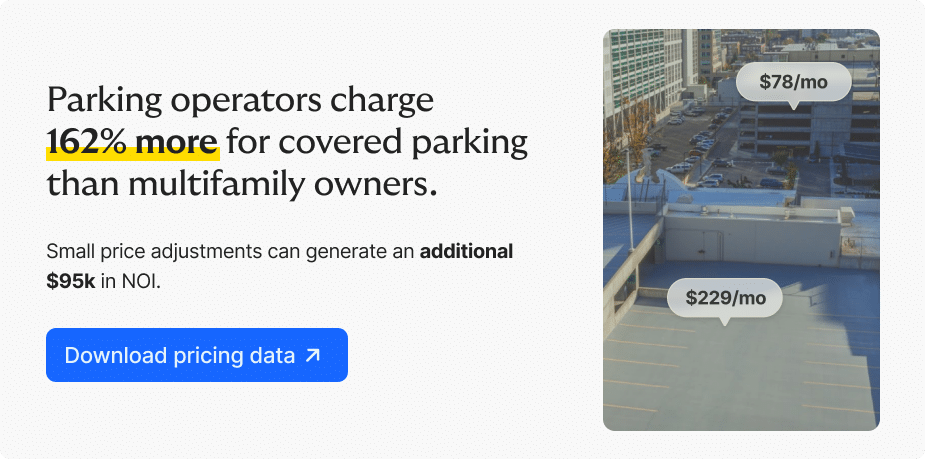
While the data showed a sizable price difference between uncovered spaces that are assigned vs. unassigned, the same data showed that covered parking spaces are set at nearly identical rates, whether they are assigned or unassigned (see chart below).


With these findings in mind, assigned parking could be a lucrative opportunity for multifamily property owners looking to maximize parking revenue.
With the right strategy, switching to assigned parking (for an additional fee) can boost net operating income (NOI) somewhat substantially. Consider what would happen if you charged $75 per month for each assigned spot. Thirty reserved spots in a 50-unit property could add $27,000 annually to your bottom line. But beware: introducing this new revenue stream isn’t as easy as just flipping a switch, though. The success of this approach depends on balancing income potential with operational efficiency.
As discussed, unassigned parking maximizes space usage, so every spot is available at all times. In contrast, assigned parking may leave spaces idle during tenant vacancies, impacting overall efficiency. If your property regularly has unoccupied units, assigned spaces can become a drawback. That said, the appeal of guaranteed parking often outweighs these limitations. Long-term renters, such as families or busy professionals, frequently prioritize convenience and predictability, making assigned parking a key factor in resident retention.
While managing assigned parking involves additional effort, the costs are often offset by the increased income it generates. Ultimately, the decision to implement assigned parking should consider your tenant demographics, property layout, and vacancy trends to ensure both profitability and tenant satisfaction.
Questions To Ask Before Switching to Assigned Parking
- What Do Tenants Value? Do they prioritize guaranteed spaces or flexibility? For instance, younger tenants in urban areas may value affordability over convenience, while families or older tenants might prefer guaranteed parking.
- How Many Spaces? Are there enough spaces to assign without causing disputes? If you have fewer spaces than units, assigned parking might frustrate tenants who don’t get a spot.
- Are tenants already complaining about parking availability or unauthorized vehicles? If so, switching to assigned parking might resolve these issues.
- How much could you realistically charge for reserved spaces? Research local rates to ensure competitive pricing.
Making the Switch From Unassigned to Assigned Parking
If you’re thinking about transitioning from unassigned to assigned parking, here’s how you’d likely need to approach it.
Assess Your Current Situation
Take inventory of your parking spaces. Note how many are available, their condition, and whether any spaces could justify higher fees. Survey your tenants to gauge whether they value affordability above all else OR if they’re willing to pay a premium for reserved spots. As a precaution, make sure to consider how vacancies affect parking availability.
Get the Price Right
Research similar apartment complexes in your area to determine competitive rates. Consider creating tiered options that cater to tenant needs, such as premium fees for covered parking, garage spaces, or spots close to building entrances.
Offering a mix of assigned and unassigned spaces can help you meet the broadest range of needs, all while maximizing revenue. That way, you don’t accidentally alienate tenants who might prefer unassigned parking.
Update Lease Agreements
You’ll definitely need to update your lease terms. Outline fees, rules, and policies regarding assigned parking, including how you’ll handle unauthorized vehicles or guest parking. A gradual rollout can help ease the transition; start with new leases and give current tenants the option to opt in.
Invest in Parking Management
Parking is a science. To implement assigned parking effectively, you’ll need to invest in the necessary tools and resources.
Begin by installing clear signage to designate spaces and communicate parking rules property-wide. Even though it’s painful, you’ll need to work with a towing company (in those off-hand cases of illegal parking). You’ll also need to introduce a parking permit system OR a license plate registration system to prevent unauthorized vehicles from using tenant spaces.
Parking management software can simplify this transition and assist with:
- Space assignments
- Fee tracking
- Tenant communications
Communicate With Tenants
Don’t leave your tenants in the dark. If I know anything, it’s that tenants don’t appreciate hidden (or unexplained) charges. To justify the additional costs, you’ll need to sell your residents on the amenity. Highlight the benefits of assigned parking, such as added convenience and security, to help tenants see its value. Provide advance notice of the changes, including clear timelines and expectations for obtaining permits or making adjustments. Keep the process smooth and gradual.
Costs to Consider
Switching to assigned parking comes with some upfront expenses:
- Administrative Costs: Updating leases, creating parking maps, and managing assignments may require additional staff hours or software investments.
- Signage and Permits: Producing signs and distributing parking permits or stickers can add up, especially for larger properties.
- Enforcement Costs: Establishing relationships with towing companies or hiring parking enforcement personnel involves ongoing expenses.
- Tenant Resistance: Some tenants may view the switch negatively, particularly if they’re now required to pay for what was previously free. Addressing these concerns may require concessions or incentives.
While these costs can seem significant, the potential revenue from assigned parking often offsets them. With careful planning, this switch can do wonders for tenant satisfaction and boost your property’s profitability.
Make Money With Vacant Spaces
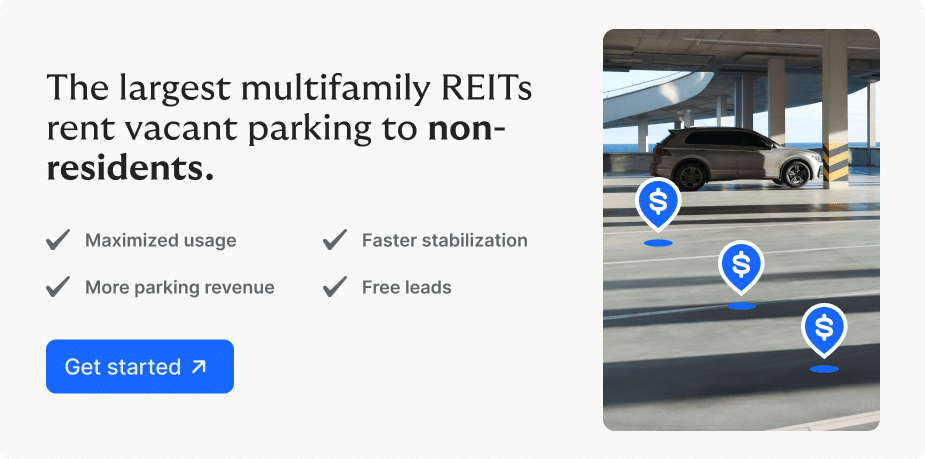
Regardless if you’re using assigned or unassigned parking, if you’d like to make additional revenue from empty parking spaces, Neighbor can help. With Neighbor, you can rent spaces to non-residents in need of parking. This is a great way to bridge the revenue gap between lease-up and full occupancy.
You can also rent out additional space around your apartment complex for storage. Neighbor matches you with qualified renters who are looking for extra space. The best part? You don’t have to worry about collecting, or hunting down payments – Neighbor even guarantees your monthly rent if your tenants don’t pay.
Conclusion
Assigned parking offers predictable income and tenant satisfaction but requires more management. Unassigned parking is simpler and more flexible but lacks revenue potential. Your decision should always consider tenant needs, property layout, and your financial goals.
