

Road trips are woven into the fabric of America.
From Route 66 to our nation’s expansive National Parks system, the U.S. is a large country with so much to see — if you’re willing to drive to get there.
With the U.S. stretching 2,892 miles from coast to coast, there’s no wonder why RVs are so popular — around 11% of American households own some sort of recreational vehicle.
If you’re considering buying an RV, you might be wondering, “Is an RV a good investment? To make your investment worthwhile, you’ll want to do your research first.
Jump to…
Considerations before buying an RV
Types of RVs to choose from
Where to buy an RV
New vs. Used RVs
Buying an RV: cost and financing
Costs of owning an RV
Consider renting instead of buying
The best RV models and brands
Looking for more affordable RV storage?
Tip #1: Ask Yourself These Two Questions Before Buying an RV
Before you jump the gun and buy an RV, there are two important questions that you need to ask yourself. If you can answer these two basic questions, you’ll be well on your way to choosing the perfect RV for your needs.
Question #1: Why Do You Want to Own an RV?
You may need a different RV type than you originally imagined.
Ask yourself the hard-hitting questions. Do you plan to use your RV for trips with big groups of friends? What kinds of places do you want to go to in your RV? Do you envision weekend trips or longer vacations? Do you want to spend any time living in the RV?
If you want to live the RV life, for example, where you and/or your family live in an RV full-time, you’ll need to consider size, layout, and the amount of storage space, as this will be your full-time residence.
If you only vacation in your RV occasionally, you may be able to scrape by with a smaller RV. However, when living in an RV full-time, ample living space (and storage space) can help you and your loved ones fend off cabin fever. Having space to spread out can also help you avoid squabbles and quarrels with other family members.
If you’re purchasing an RV for weekend getaways to national parks or similar excursions, having a large RV with all the bells and whistles isn’t quite as important. Instead, purchasing an RV that’s easy to tow, can potentially go off-grid, and will keep you and your family comfortable for short periods is more essential.
Asking yourself these questions now will help you prepare to answer other important questions so that you can buy the right RV.
Question #2: What’s Your Budget?
Next, you’ll need to ask yourself about the size of your budget. This is where the buying process can get tricky because RVs can cost anywhere from $10,000 for small or used rigs to upwards of $200,000 and beyond for larger, newer, and more luxurious models.
You’ll want to purchase an RV that meets as many of your needs as possible. On the other hand, unless you have a limitless budget, there’s a good chance you will need to give a few things up.
After all, you don’t want to spend so much money purchasing your RV that you can’t afford to take the RV road trips you’ve dreamed of.
Tip #2: Understand the Different Types of RVs
While there are hundreds of different RV makers and models, there are three basic types of RVs to choose from.
Class A Motorhomes
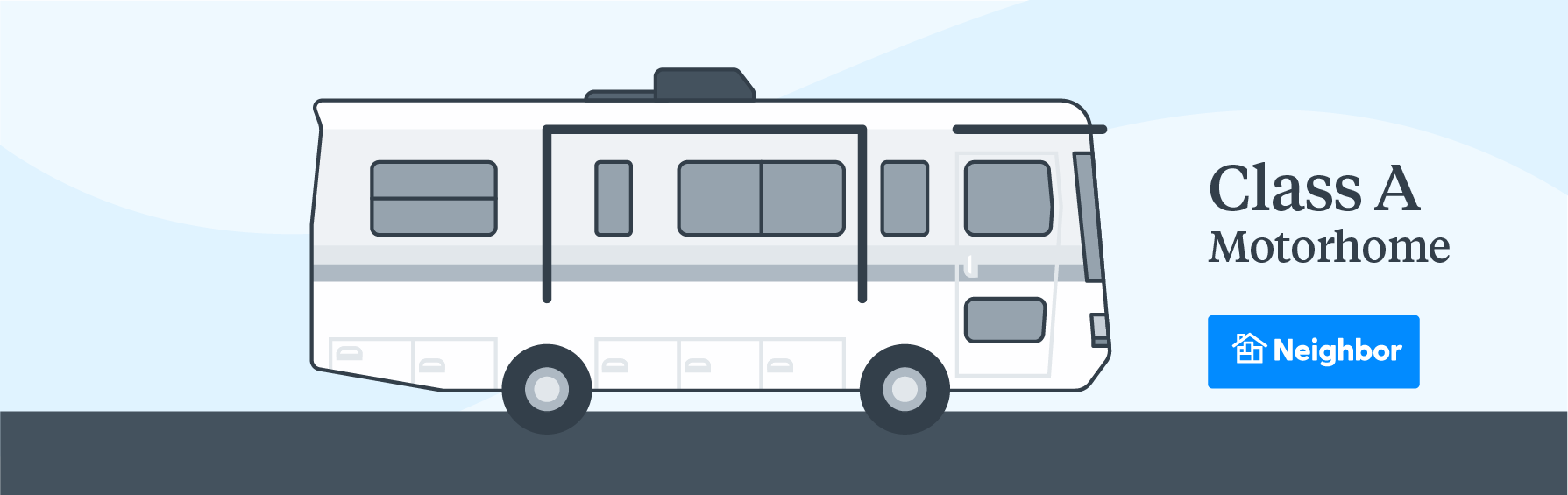
When most people think of a motorized RV, they’ll picture a Class A motorhome. Class A motorhomes are the largest and most luxurious type of RV, and they feel more like miniature houses on wheels than actual RVs.
Depending on the size, make, and model of a Class A motorhome, it can include amenities such as full bathrooms, a master bedroom with a king-sized bed, full kitchens, and much more.
However, because of how large and luxurious these motorized RVs are, they will also carry the highest price tag and can cost upwards of $500,000 if you want all the bells and whistles.
Class B Motorhomes
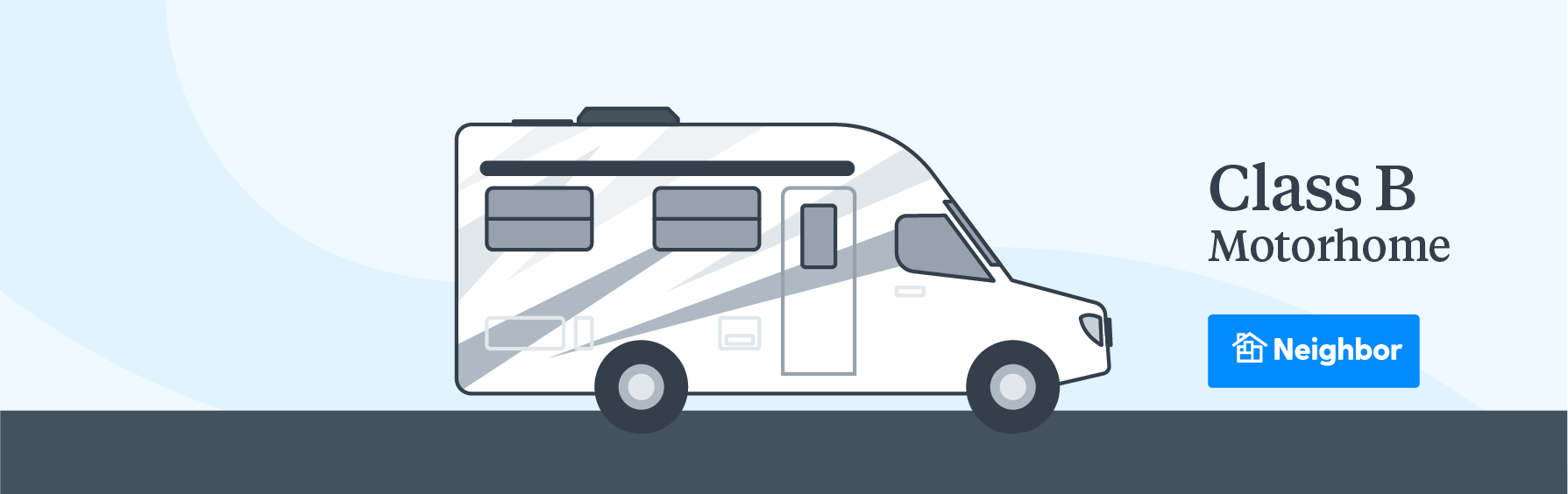
If your heart is set on purchasing a motorized RV but you don’t need the size or amenities of a larger motorhome, Class B camper vans are the way to go. Class B motorhomes are vans modified to have living and sleeping spaces and minimal amenities, such as wet baths, tiny kitchens, and an air conditioner.
However, camper vans are better for solo travelers or couples because of their size.
Class C Motorhomes
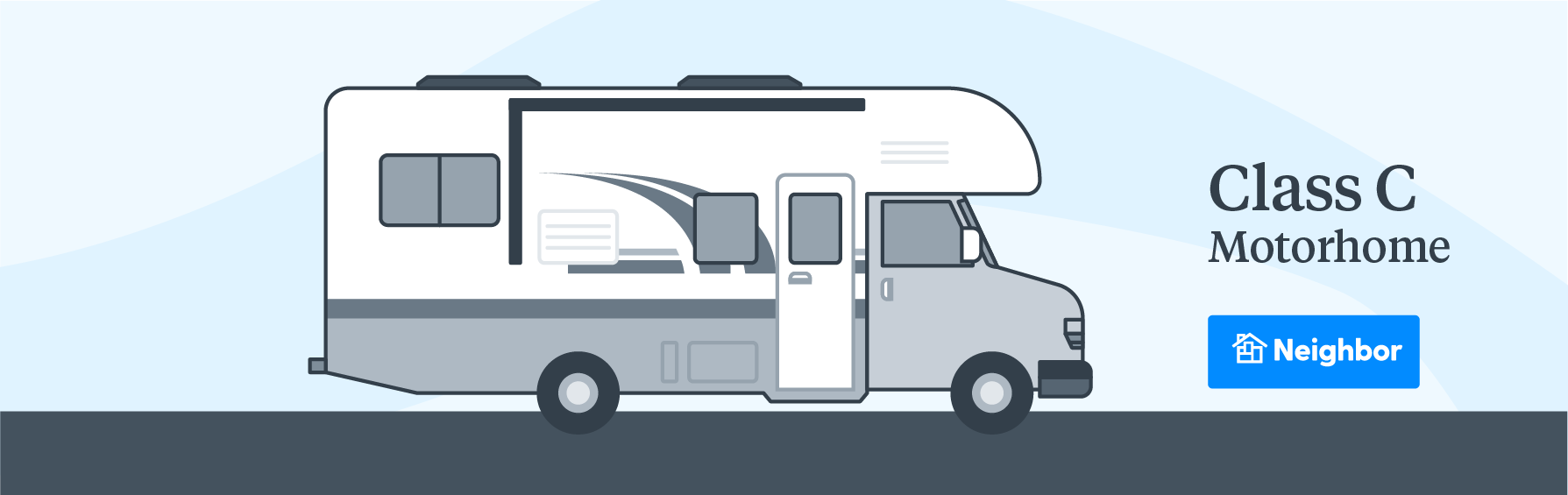
A Class C motorhome is the way to go if you want most of the luxuries of a Class A RV but on a slightly smaller and more affordable scale.
Although smaller than Class A, Class C RVs are family-friendly because they typically have multiple beds and bedrooms to accommodate your RV adventures.
Tip #3: Weigh the Pros and Cons of Buying New vs. Used
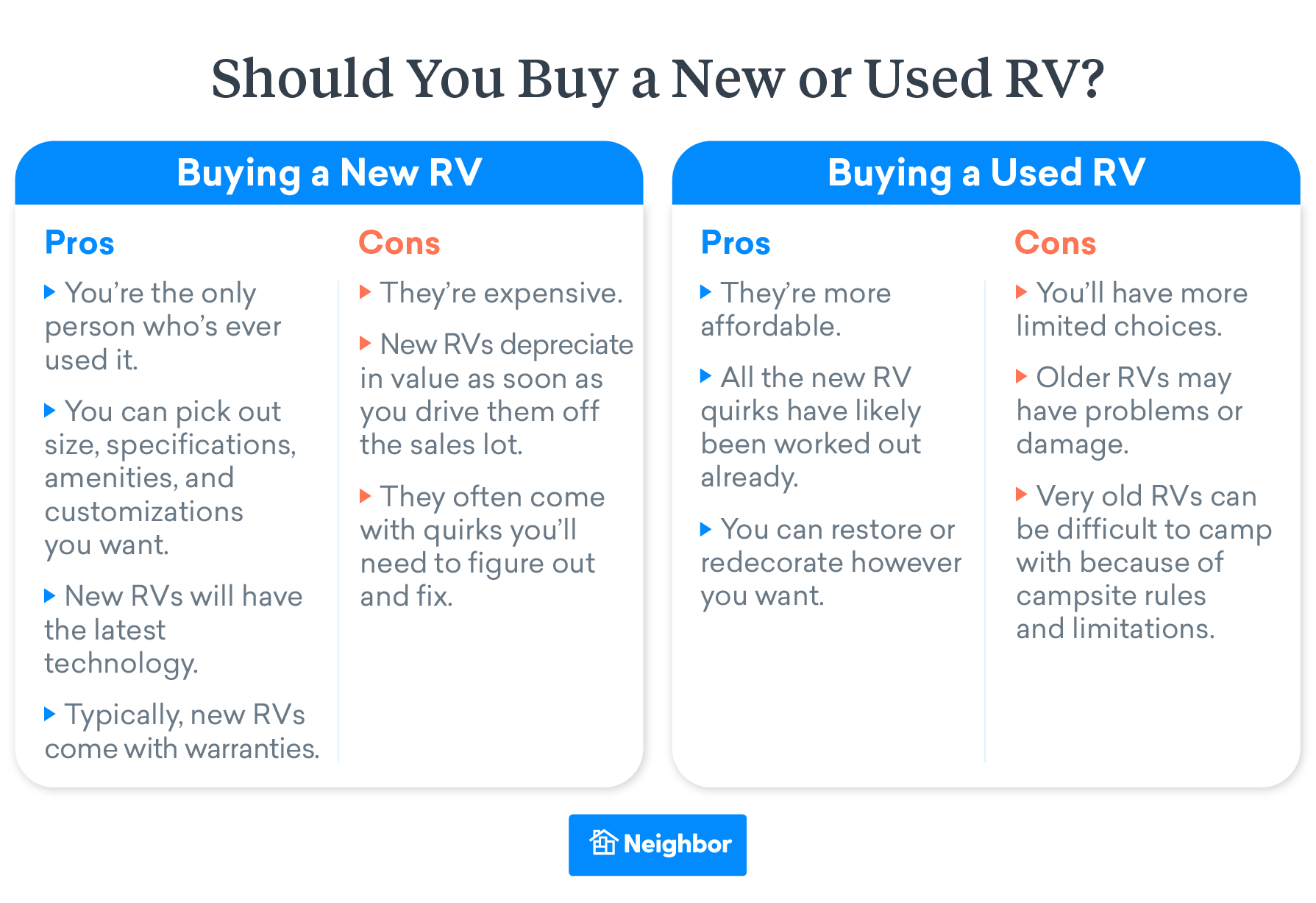
Before you start your search, there’s the ever-important question of whether you should buy a new or used RV. As with purchasing a new or used car or home, pre-owned RVs are typically cheaper, which is their primary advantage.
However, a used RV is also more likely to be outdated and more prone to issues than a new one, which could lead to higher maintenance and repair costs.
Buying a new RV, while being more expensive up front, allows you to choose an RV with the perfect floor plan, layout, and amenities to meet your needs. New RVs are also less likely to have breakdowns and issues than used options and will give you more peace of mind.
However, not everyone can afford the hefty down payment and monthly payments on new rigs because of how expensive the new RVs on the market typically are.
Ultimately, it’s entirely up to you whether you purchase a new or used RV. Budget usually plays the most significant factor in this decision, so only buy what you can comfortably afford.
Tip #4: Research Where You Can Buy an RV
When it comes to buying your RV, you have several options.
Option #1: RV Dealerships and Manufacturers
If you’re set on buying a new RV, one of the first places you should check is a local RV dealership. You can also check an RV manufacturer’s website, which might be the right path if you want to customize your RV with specific amenities or room layouts.
By going through a dealership or manufacturer, you will also have financing options, such as a secure RV loan. Additionally, most dealerships let you test drive their RVs so you can get a good feel for their floor plan and handling.
Option #2: Private Seller
On the other hand, if you plan on getting a used RV, you can also purchase one from a private seller. While some dealerships will also offer pre-owned RVs, purchasing through a private seller is usually cheaper, and you don’t have to deal with a pesky salesperson.
The downside, however, is that a private seller will have far less inventory, so this option only works if you know exactly which RV you want.
Tip #5: Understand the Total Cost of Buying and Owning an RV
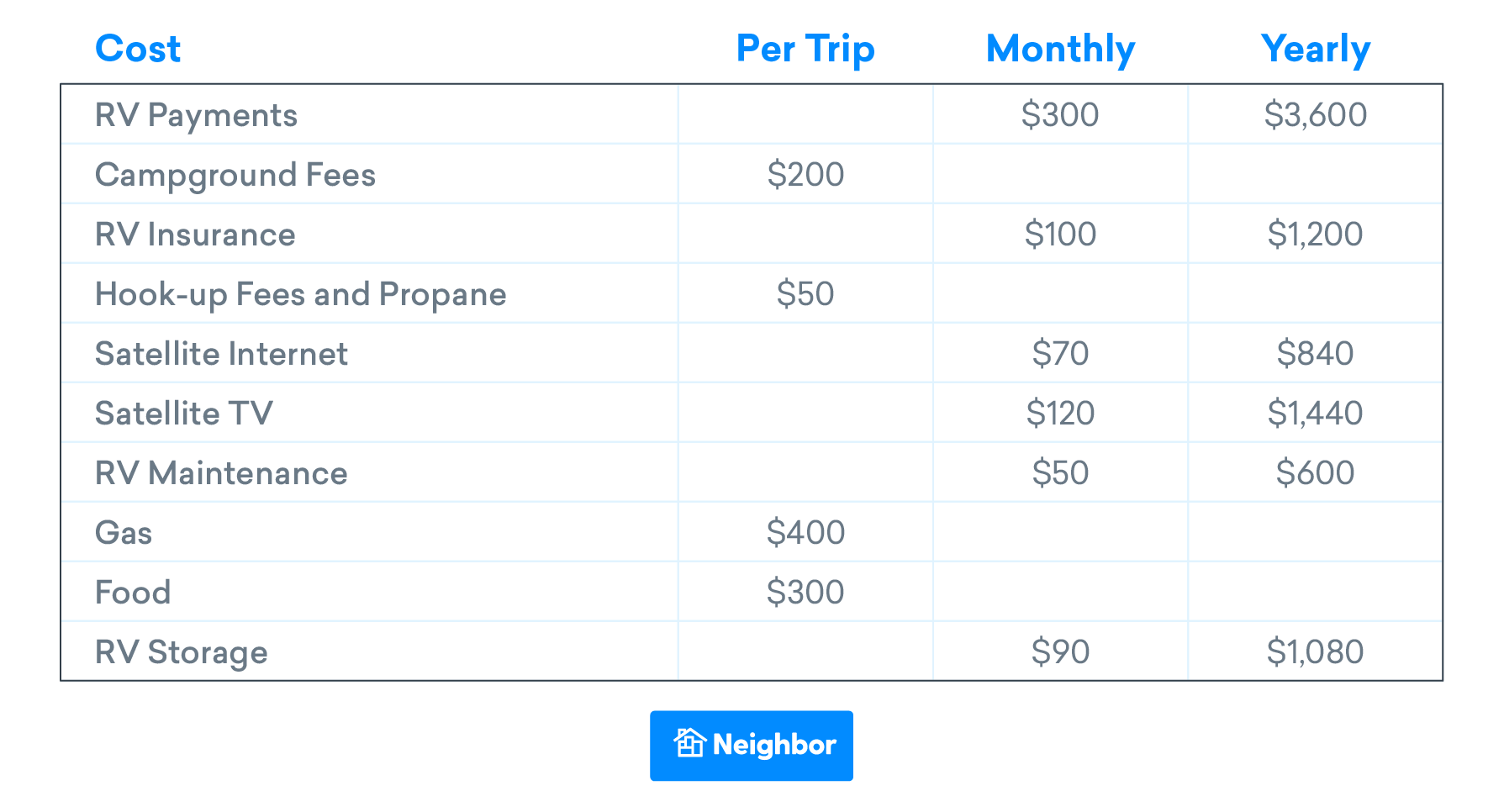
In addition to the purchase price, there are many other costs that come with owning an RV, including RV insurance, registration, maintenance, repairs, camping fees, and much more. You should also consider fuel costs, cable and internet services, and storage fees if you need to store your RV at a nearby storage facility.
As with the type of RV you purchase, there are many variables regarding what these things will cost. In general, however, you should expect to pay an extra $1,000 to $5,000 per year for your RV, with your costs rising the more you use it.
Check out this guide for more information about the costs of RV ownership.
How Much Does an RV Cost to Buy
The cost of buying an RV varies depending on the type and features you’re looking for. A used camping trailer that you tow behind your car or truck might start at around $10,000.
A used drivable motorhome, on the other hand, will likely start around $100,000. Do note that the newest model of the same driveable motorhome (complete with the latest technology and amenities) can reach costs of up to $300,000 (or more).
Class A motorhomes, luxurious fifth-wheel RVs, and toy haulers will be the most expensive and cost hundreds of thousands of dollars.
On the other hand, travel trailers and class B and C motorhomes will typically cost $20,000 to $80,000, making them much more affordable.
Additionally, every type of RV will be cheaper when you buy it used rather than new.
Tip #6: Consider Renting an RV Instead of Buying
Because of the high cost of RV ownership, it might make more sense to rent an RV rather than purchase one. The ownership costs add up and may not be worth the investment, especially if you only plan to take a trip or two each year.
In addition to the money you will save on not purchasing an RV, you’ll also save on storage fees, maintenance and service costs, repairs, and upkeep. Granted, renting an RV can cost several hundred dollars per day, but that’s nothing to the tens or hundreds of thousands of dollars that purchasing and owning an RV costs.
If you’re leaning toward buying over renting, weekend or extended trip RV rentals are a great way to find out what type of RV you like (before you officially commit). You can experiment with different floor plans, layouts, and types of RVs until you find the one that’s perfect for you.
If you’re set on buying an RV but don’t plan to use it too often, another option is to rent out your RV to others. This can help offset the ongoing costs of ownership and help you make a few extra bucks along the way.
Tip #7: Have the RV Inspected Before You Purchase
Before purchasing an RV, it’s always a good idea to have it inspected. A thorough RV inspection will reveal any existing or potential problems and issues that the owner either didn’t disclose or didn’t know about. Therefore, consider asking an RV-savvy friend or official inspector to go with you to the dealership when you check the rig.
Here’s a quick list of things to check during your RV inspection:
- Roof for leaks
- Axles for bends
- Slide outs for smooth in and out movement
- Awning for tears and other issues
- Lights and electrical system
- AC and heat
- Windows for leaks
If you notice any issues, you can either pass on the RV, ask the seller to have it fixed, or ask for a discount and fix the issue yourself. Either way, it’s always best to know about any issues or problems before you buy the RV, and not after.
Tip #8: Be Familiar With the Best RV Models and Brands
There’s no shortage of reputable RV brands to choose from, depending on your preferences and needs. However, if you want the best of the best, here are some of the top RV makers in the industry.
- Airstream
- Dutchmen
- Forest River
- Jayco
- Newmar
- Northwood Manufacturing
- Oliver Travel Trailers
- Pleasure-Way
- Winnebago
Each of these brands has a proven track record of building reliable, durable, and top-of-the-line RVs, and you would do well to purchase one from them.
Tip #9: Use Neighbor for Affordable RV Storage
One of the costs that shouldn’t break the bank is storing your RV. That’s because Neighbor can connect you with trustworthy people in your community who have space to store an RV — for an average of 50% less than traditional self storage.
Check out RV storage available near you to see for yourself.
Final Thoughts
Once you decide which type of RV is right for you, whether new or used, you’ll want to protect your investment. In addition to ongoing maintenance and care, you’ll also need somewhere safe to store your rig.
If you don’t have the right accommodations at your home, consider using Neighbor, a peer-to-peer storage marketplace, for RV storage. Neighbor has hundreds of storage locations across the country, and there may even be one in your own neighborhood!