

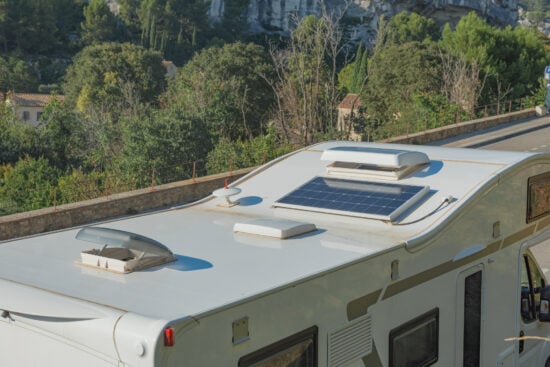
Finding a leak in your RV is a cause for concern. When you have pinpointed that the roof is the culprit of unwelcome moisture, you’ll need to start the RV roof resealing process. You’ll want to get this done as quickly as possible, After all, the longer your RV sits with an unaddressed hole in the roof, the more likely it is that your rig will sustain damage, which can compromise your investment.
Understanding Your RV Roof Type and the Need for Resealing
The first step towards a leak-free RV roof is learning about its structure. You must know the type of roof materials you are working with (rubber, fiberglass, aluminum, etc.) Not to mention, you’ll also need to recognize the signs that resealing is, in fact, the solution to your issue.
Identifying Your RV Roof Material
Ready to reseal your RV roof? Not so fast. You aren’t ready to start the job if you haven’t identified the roof type, so let’s take a closer look. Maybe it’s a rubber roof with the characteristics of TPO or EPDM, sleek fiberglass, or sturdy aluminum.
While reference photos are helpful, the fast facts about different roofing material types below will bring you one step closer to classifying your RV’s roof.
| Roof Material | Identifying Features |
| Rubber (EPDM or TPO) | Typically white or light-colored; feels slightly rubbery to touch; often has a slightly textured finish |
| Fiberglass | Very rigid and smooth surface; can be glossy or have a gel-coat finish |
| Aluminum | Metallic finish, quite rigid, and can be slightly noisier during rain |
| Vinyl | Feels like plastic; may have a leather-like texture; not as durable as other materials |
Recognizing Signs That Your RV Roof Needs Resealing

A leaky roof will make its presence known, often through the appearance of cracks and tears that beg for a new sealant. You may also see wet spots in the ceiling or a stain. If you don’t acknowledge these early signs, you may end up dealing with costly water damage. So keep a keen eye on your roof.
At the first sign of trouble, it’s time to reseal.

Before You Start Resealing: The Prep Work
Before deciding on sealant and roof coatings, zero your focus on the initial step: preparation. Proper preparation will help ensure that your RV repairs will last (not give out in a few months).
Part 1: Cleaning the Surface
The cleaning phase lets you better assess the extent of your leak. Grab biodegradable soap or a specialized cleaner like Liquid Rubber RV Smart Cleaner and get to work. Scour every inch of that surface, from the rooftop accessories to the edges where the roof meets the RV wall.
After the primary scrub-down, treat the area with rubbing alcohol to banish any stubborn residue. The final swab with mineral spirits ensures a pristine surface. The goal here is to ensure the sealant will stick.
Part 2: Removing Old Sealant
The old sealant must be removed. With a putty knife in hand, peel and scrape away the remnants. Once you’ve removed all of the old sealants, it’s time to lay down a clean, solid foundation for the new.
Before You Start: Selecting the Right Sealant for Your RV Roof
Once your roof is prepared, the next step is to choose the right sealant. Unfortunately, there is no one-size-fits-all solution. The right choice hinges on your RV roof’s material. For rubber roofs, we’d recommend a self-leveling lap sealant, while experts usually endorse specialized silicone for aluminum RV roofs.
Remember, if you don’t choose the right sealant, your roof will be susceptible to future leaks (which can add up cost-wise).
Comparing Types of RV Roof Sealants
For rubber roofs like EPDM and TPO, Dicor self-leveling lap sealants are a popular pick, offering UV protection and color variety to keep your roof sealed.
The Dicor Lap sealant costs $12.99 for a 10oz tube. The Dicor products do not stain the roof materials surrounding your leak.
If you’re dealing with a fiberglass roof, Geocel ProFlex RV Sealant’s elasticity and adhesion prowess make it a champion, even when the skies weep.
When to Use Tape vs. Liquid Sealants
It can be difficult to choose between tape and liquid sealants. For straight-line seams, tape like Eterna Bond is a good choice.
If you have to cover a broader area, liquid sealants are the best option.
Step-by-Step Resealing Process
Now that you have the right product and have assessed the leak, here is the step-by-step resealing process for applying RV Roof Sealant and fixing your roof leak for good.
- Load a caulk gun with your chosen sealant
- With a steady hand and an even pace, carefully apply the sealant
- Cover every inch of the area
- Check all roof vents, edges, and seams to ensure there is a watertight barrier
- Use Eternabond tape or butyl tape to fix any additional minor damage.
- Use a paint roller to apply a rubber or silicone coating across the entire roof
- Let the sealant cure and then look for missed spots and water test the roof
Need a visual walk-through? Check out this video.
Maintaining Your Resealed Roof
Maintaining your newly fortified roof through regular inspections and addressing repairs promptly will extend its life and your adventures. The goal is to stay proactive and make sure your RV continues to be a safe and dry place.
A bi-annual checkup can uncover potential leaks early, and more frequent seal inspections will ensure no moisture sneaks past your defenses.
Regular cleaning and touch-ups are your roof’s best friends in the fight against wear and tear.
Summary
A major reason an RV starts to leak is incorrect storage and maintenance. Now that your RV is as good as new, you’ll want to find the perfect spot to store it.
Proper RV storage includes covering the roof. If you need an enclosed or covered RV storage location near you, give Neighbor a try. Neighbor is a peer-to-peer RV storage marketplace that offers storage at more than 50% off traditional storage options. Find listings from pre-screened hosts with top reviews right in your neighborhood.
Frequently Asked Questions
What Is the Best Thing to Seal a Camper Roof?
You should use Dicor’s metal roof RV coating to seal your RV’s aluminum roof. It forms a rubber barrier suitable for metal, aluminum, steel, or previously-coated RV roofs.
Can I Reseal My Own RV Roof?
Yes, you can reseal your own RV roof by scraping away the old sealant, applying heat to soften it, and then using a caulking gun to apply new sealant. It’s a manageable DIY task.
How Often Should You Reseal an RV Roof?
An RV roof made with rubber should be resealed every six months or so, especially if it’s exposed to the elements. However, fiberglass roofs can last several years without RV owners having to reseal them.
How Do You Reseal RV Roof Seams?
Reseal RV roof seams using a leveling sealant. Apply this with a caulk gun and allow it to cure to create a watertight bond.
Should I Remove the Old Sealant From My RV’s Roof?
Before applying a new sealant to your RV roof, you must first remove the old sealant. Otherwise, the new sealant won’t properly adhere.