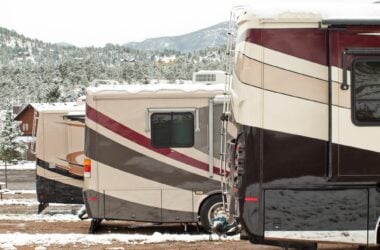

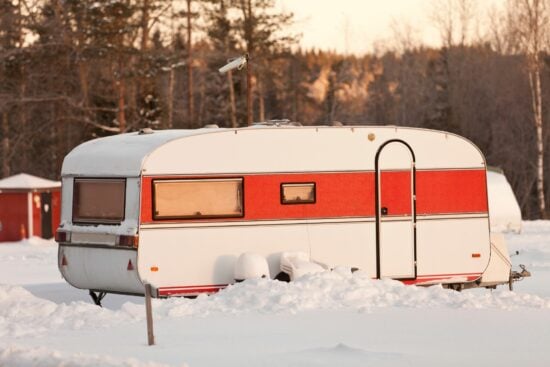
You winterized your RV last year and are anxiously awaiting the day you get to bring it out again (as soon as the freezing temperatures stop and the cold weather fades into spring, of course).
But then life happens. Sadly, you find that your yearly RV trips out of state aren’t going to happen this year.
Now, you’re wondering, “Will my RV stay winterized until the next RV season?” And if so, what kind of maintenance will I need to perform on my camper if I’m not planning on using it for a full year? For some, these questions are just the tip of the iceberg. Other questions that may come to mind include:
- Can you just leave it winterized?
- How long can a camper stay winterized without risking damage?
- Is there a preferred method of winterizing a camper for long-term storage?
A standard winterization only lasts a few months. But there are ways to prepare your camper for long-term storage.
How Long Can You Leave a Camper Winterized?
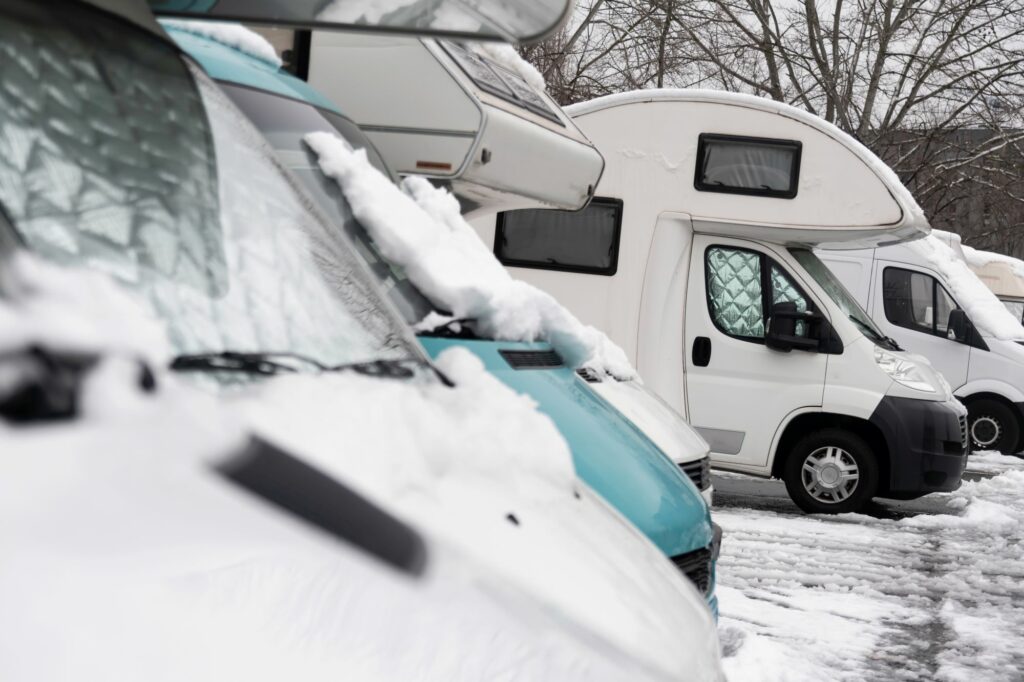
The length of time a camper can remain winterized depends on a) how you winterize your camper and b) what kind of climate you’re in.
Generally, a camper can stay winterized for 2-3 years, even where freezing temperatures last for several months. However, the method you use to winterize your RV may determine what condition your RV is in when you get back to it.
How the Winterization Method Affects Duration
There are two main methods for winterizing your RV. The method you use will determine how long you can keep it winterized. You can either a) use RV antifreeze or b) blow out the lines of your RV.
Using RV Antifreeze for Winterizing your RV
This first method involves pumping non-toxic antifreeze (also known as the “pink stuff”) through your RV plumbing. This mixture keeps seals from drying out or expanding in the severe cold and causing damage—which is a necessity in particularly dry climates.
Now, when you use RV antifreeze, you typically do have to check your antifreeze levels to make sure they don’t drop too low. If they do, just top it off with fresh antifreeze. But generally, this method should last a couple of years because the antifreeze doesn’t evaporate quickly.
Using RV antifreeze to winterize your camper keeps the moving parts in good condition, but it has its disadvantages too.
When you leave the non-toxic antifreeze in your plumbing for a long time, it’s hard to get that slight taste of antifreeze out of your water. It also takes longer to de-winterize because you need to flush the camper’s water system multiple times with fresh water and dispose of the flushed antifreeze properly.
Blow Out the Lines to Winterize your RV
Blowing out lines is an alternative method for winterizing campers. This method involves using an air compressor to remove water from the plumbing system, which is ideal for RVers who prefer not to use RV antifreeze for environmental reasons.
This alternative method is a popular option among RV owners who winter in warmer, more humid climates—climates where damage due to dried-out plumbing parts is less likely.
While blowing out lines can be an effective winterization method, you need to use the proper tools to make sure you’re not contaminating your lines.
To blow out lines, you’ll need the following tools:
- An air compressor: This generates the necessary air pressure to blow out the water from the lines.
- A blowout plug or adapter: This connects the air compressor to the RV’s plumbing system.
- An RV winterization kit: Your kit should include a filter that will safeguard your lines from contamination while you’re removing water from the plumbing system.
- Tools for removing RV caps: These are needed to access the plumbing system.
As a first step, connect the air compressor to the blowout plug or adapter. Then, activate the air compressor by blowing water from the plumbing system through the low-point drains.
When using an air compressor to blow out lines, ensure the air pressure is not too high, as this could damage the plumbing system.
Even when using the blowout method for winterization, you should funnel a small amount of RV antifreeze in your sewage systems and some appliance water lines to protect the seals from drying out (and to keep the ball joint lubricated).
Preventive Measures and Maintenance During Winterization
Since you’re going to be keeping your RV winterized for a long period of time, it’s even more important to perform preventive maintenance now to prevent costly repairs.
Inspect Seals and Roof
Visual examinations of seals, roofs, and plumbing systems components can help you identify any signs of damage, deterioration, or water leaks. Regular maintenance will ensure they remain in good condition throughout the winter months.
Protect the Plumbing System and Water Lines
Pipes freezing is a good way to ruin your RV plumbing. Water lines, water heaters, freshwater tanks, and holding tanks are all a part of your camper’s water system. And you want it to work when you need it.
If you want your RV water system to work when you need it (post-winter), you’ll need to keep the p traps, bypass valves, and all the tanks from drying out due to the cold weather. Luckily, antifreeze can do just the trick.
Yes, RV antifreeze keeps your pipes from freezing, but it also protects these other parts of your RV plumbing when temperatures drop.
Mold Prevention and Control
Unchecked mold growth can lead to health issues and may even cause irreparable damage to your camper. To prevent mold growth, you can:
Enhance air circulation
Keep bedroom and cabinet doors open, allowing air to move through them. This step will prevent odor and moisture build-up (shortening the de-winterization process).
When storing for the long term, you’ll want to air out your camper a couple of times a year by opening the exterior door and allowing air to circulate.
Keep humidity low
Mold grows in cold, damp environments. Lessen humidity by using dehumidifiers or moisture absorbers.
Clean surfaces
Thoroughly clean surfaces with peroxide to kill mold spores before winterization.
Where Do You Store a Camper Where It Can Stay Winterized?
If you aren’t able to retrieve your RV right when temperatures rise, rest assured, your winterized RV is perfectly safe during the winter season (and beyond), when stored properly.
Before winterizing, you’ll want to research the best place to store your RV, so it stays winterized up until you’re ready to use it.
Your options include: a driveway (if you aren’t subject to HOA regulations and have the space for it), a home garage (size permitting), an enclosed storage unit, a covered space in an RV storage yard or parking lot.
If you know you’re not going to bring your RV out for a while, you want a storage option that’s less expensive but safe. Otherwise, you’ll rack up significant monthly storage costs for all 12 months you plan to store your RV That’s where Neighbor can help.
Neighbor is a self-storage marketplace that provides safe, nearby, and budget-friendly storage spaces. There’s a variety of indoor, outdoor, and climate-controlled options where your camper can stay winterized as long as you need it to.
Frequently Asked Questions
How Long Can RV Antifreeze Be Stored?
Pink antifreeze has a shelf life of 1 to 4 years if sealed and stored properly. Be sure to check the expiration date. If you can’t find an expiration date, then shake the bottle. If you see bubbles, then the product has expired.
Can You Live in a Winterized Camper?
The short answer? Yes, you can use and live in a winterized camper with the right planning and consideration. If you have a travel trailer with a heated underbelly and want to do some winter camping, then de-winterizing your camper is easy enough. After your travels, you can simply re-winterize it.
During use, you can keep a travel trailer winterized by adding small amounts of antifreeze. But you’ll need to pack in your own drinking and cooking water or have another water source available. Even though the RV antifreeze is non-toxic, it’s not a pleasant taste to add to your diet.
Can You Drive an RV After It’s Been Winterized?
Yes, you can drive an RV after it has been winterized. It’s common to winterize your RV at home and then drive it to a storage facility.
How Long Can a Camper Stay Winterized?
A camper can stay winterized for up to 3 years with proper maintenance, even in deep freeze conditions.