
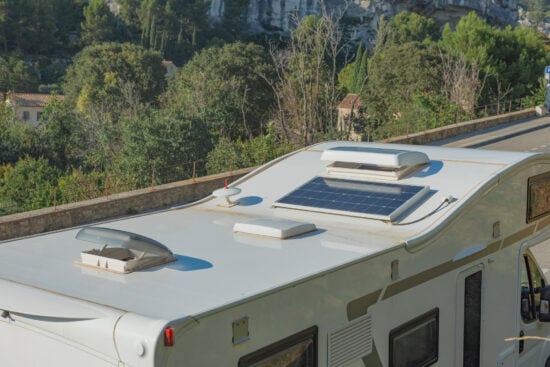
RV roof leaks can be a pain to track down. If your RV is old enough that the seams are starting to leak, gradually, all the seams will start to lose their integrity. But it doesn’t all happen at one time. It’s a slow (progressively painful) decaying process.
You may end up fixing one leak only to find another a few weeks later (then another one will crop up shortly after that). Before long, you feel like Han Solo trying to hold the Millennium Falcon together with nothing but the Force.
That’s why when these small roof leaks start happening, the best thing to do is find the best roof sealant for your RV roof type and redo any seam that looks weathered or questionable. That’s how you stop the leaks before they start and protect your RV from extensive – and expensive – water damage.
I should know. After fixing up a fifteen-year-old 38-foot travel trailer, I’ve gutted water-damaged walls, chased down a lot of leaks, and will probably still find more when the next thunderstorm comes through.
Here are the best RV roof sealants based on their ease of use and effectiveness.
Key Takeaways
- Various RV roof materials such as rubber, fiberglass, and aluminum each require compatible sealants.
- Tape-based sealants, like EternaBond RV Roof Seal Tape, are easiest to use and provide watertight seals that can last 18 to 36 years.
- Liquid coatings like Heng’s Liquid Rubber RV Roof Coating are suitable for different RV roof types but require proper priming and careful application.
- Reassessing your RV roof’s integrity is a key tenant of RV maintenance that prevents extensive water damage.
Understanding RV Roof Types and Materials
First up, you need to know what roof type you have. Some common types of RV roofs include:
- Rubber roofs are popular because they’re cost-effective and durable. They’re flexible enough to handle bumps on the road but not pop seams.
- Fiberglass roofs provide improved insulation compared to other RV roof types, but they can be more difficult to repair.
- Aluminum roofs are lightweight and very resistant to rust and leaks. In an aluminum camper, it’s easier to track down leaks because they have to be at a seam or a bolt.
Can I Use Any Sealant for My RV Roof?
No, you shouldn’t use just any sealant on your roof because sealants don’t stick to all materials equally. And if it doesn’t create a seal, then you’ll have another leak on your hands in the very near future. So, find a sealant that is compatible with your RV roof to ensure proper protection.
Choosing the Right Sealant for Your RV Roof Material
To maintain the integrity of an RV roof, being able to identify your roof material is the first step to selecting the appropriate sealant type for your needs.
Remember: Preventing leaks and water damage on an RV’s roof largely relies on the application of a waterproof RV roof sealant.
There’s a comprehensive selection of RV roof sealant products, including various sealants tailored to the different types of RV roof materials.
Option #1: Dicor Self-Leveling Lap Sealant
Dicor Self-Leveling Lap Sealant comes in a 10.3-oz tube and is best for sealing horizontal areas on your roof, like around your air conditioner or vent pipes. This stuff is so helpful because it’s self-leveling, so you don’t have to worry about inadvertently creating puddles on your roof. It’s also UV resistant, ensuring long-term performance under sunlight exposure.
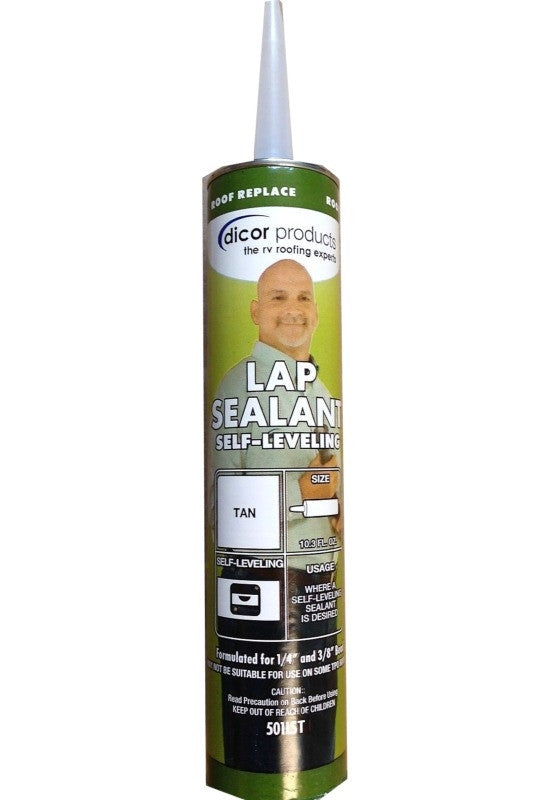
Roof Type: Any
Price: $9.99
Application Type: Compression tube
Equipment needed: Caulk gun
Photo courtesy of United RV Center
Option #2: Geocel ProFlex RV™ Sealant
Have you ever tried sealing a leak in a semi-tropical climate during the rainy season?
I have.
And I can tell you that there is no time window that guarantees 12 hours of “damp-free” conditions for silicone to cure and certainly not 24 hours to seal completely.
That’s why Geocel ProFlex RV™ is awesome. You can apply this sealant in any condition (cold, wet, hot, humid, etc.), and the tri-polymer compound expands to seal the cracks. Also, it’s mildew-resistant and paintable when dry.

Roof Type: Any
Price: $14.99
Application Type: Compression tube
Equipment needed: Caulk gun
Photo courtesy of CampingWorld.com
Option #3: Sikasil® N Plus Silicone Sealant
Sikasil is an adhesive sealant designed for use on boats, with the strength and flexibility to withstand ocean waves. It doesn’t just seal cracks; it bonds them together again – and it lasts longer than your typical sealant (which typically lasts around 5 years). So, if you do a lot of off-roading with your RV, then Sika is the sealant for you.
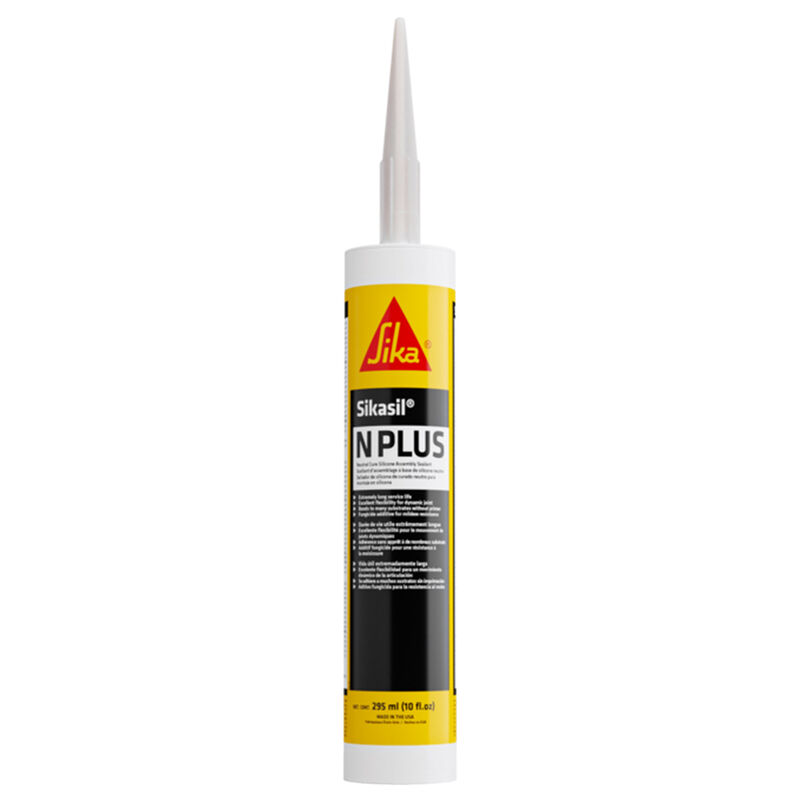
Roof Type: Any
Price: $33.99
Application Type: Compression tube
Equipment needed: Caulk gun
Photo courtesy of WestMarine.com
Option #4: EternaBond RV Roof Seal Tape
If you’ve ever wrestled with a caulk gun or had to waste half a tube of sealant because it dried out, then you understand the appeal of sealant tape. It lasts in direct sunlight, and you can install it in -20-degree weather if you have to. And unlike other butyl sealant tapes, you don’t have to prime the surface before you use EternaBond.
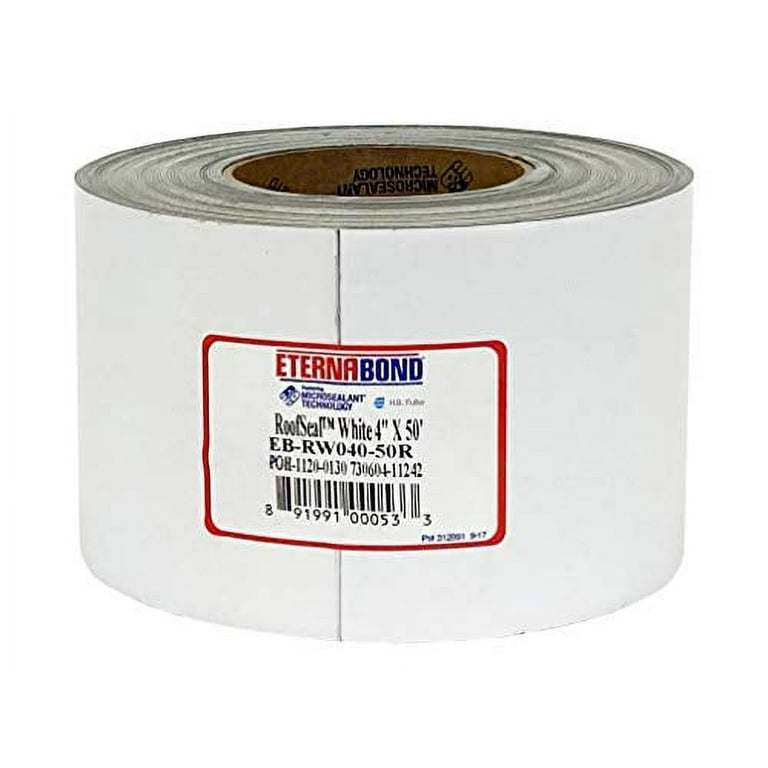
Roof Type: Any
Price: $33.99
Application Type: Compression tube
Equipment needed: Nothing!
Photo courtesy of Walmart.com
Option #5: Heng’s Liquid RV Roof Coating
If you’re chasing cracks and leaks in an old rubber or aluminum roof, then it’s time to break out the liquid sealant and paint the entire roof!
When it comes to liquid roof coatings, Heng’s Rubber Roof Coating stands out as an excellent choice for your RV roof. To apply liquid rubber RV roof coating, you must first prime the RV roof with the appropriate primer. (Just be sure to use the right paintbrush or roller to apply the product.)
Overall, a liquid RV roof coating is a simple, DIY-friendly choice for RV owners.
*However, Heng’s makes a separate roof coating for aluminum and rubber roofs, so be sure you purchase the right coating for your roof.
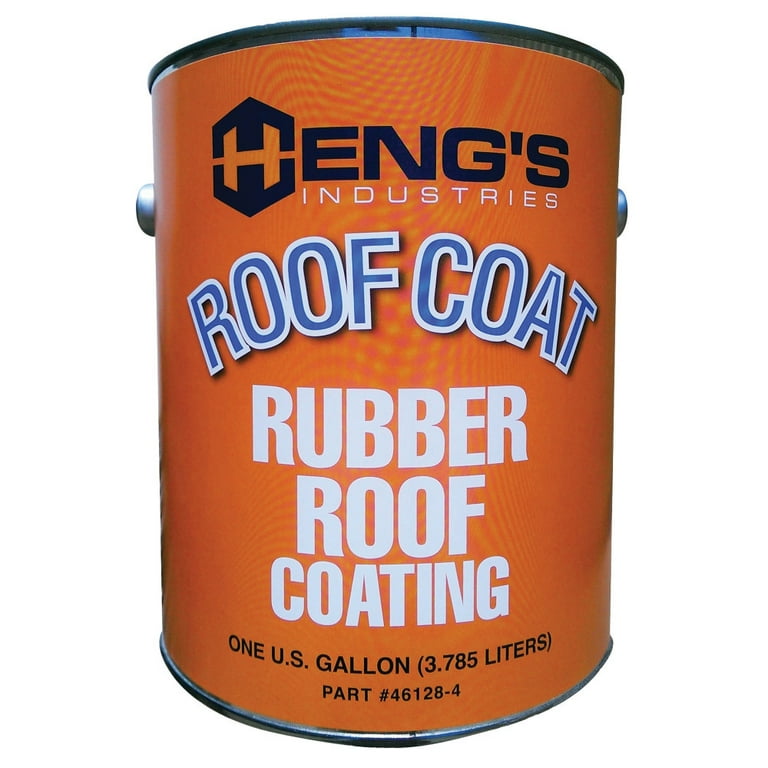
Roof Type: Aluminum and Rubber roofs
Price: $66.50-$68.99
Application Type: Paint on
Equipment needed: Disposable roller and/or paintbrush, paint tray, paint can opener
Basic Tips for Applying RV Roof Sealants
Each sealant has similar application processes, but you should always do or at least check these things before you apply your sealant:
- Check the weather: Most sealants cure best on the roof surface in dry weather, so plan your roof fixes on a nice day when possible.
- Clean the area: All adhesives stick better when the surfaces being bonded are clean and free of dirt and debris.
- Prime the surface: Not all adhesives require priming, but the liquid ones normally do. So read the manufacturer’s instructions and get the right primer for the job.
- Follow the instructions: I know, “follow the instructions” seems like an obvious piece of advice, but I have to say it because people don’t, and then it gets them in trouble. So, always read (and follow) the manufacturer’s instructions. It takes the guessing game out of sealing roof leaks.
Summary
Maintaining your RV roof is not a one-time task. Every year, at least once a year, you should get up on your roof and inspect the condition of your roof and seams. But there’s something else you can do to prevent leaks, and that’s storing your RV under cover.
When your RV is undercover, you lessen exposure to the sun and storm damage. You just fixed your roof, so don’t leave it out for some wayward limb to damage it.
You can find covered or even enclosed storage right in your area through Neighbor.com.
Neighbor is a peer-to-peer RV storage marketplace. Here, you can find covered/enclosed RV storage that’s up to 50% cheaper than traditional storage options. Check out listings from the pre-screened hosts who are nearest you!
Frequently Asked Questions
What Are the Most Popular Materials for RV Roofs?
The most popular materials for RV roofs are rubber, fiberglass, and aluminum, providing a variety of choices for RV owners to consider.
How Often Should I Reapply a Roof Sealant?
You should reapply a roof sealant every three to five years to ensure its effectiveness and protection for your roof.
Can I Use Any Sealant for My RV Roof?
No, to ensure proper protection, you should use a sealant compatible with the material of your RV roof.
What Should I Do Before Applying a Sealant?
Before applying a sealant, make sure to clean your RV roof thoroughly to remove any debris and then wash it with a non-abrasive cleaner. This will ensure proper adhesion of the sealant.
Are There Alternative Sealant Options for RV Roofs?
Yes, there are alternative sealant options for RV roofs, including tape-based sealants and liquid coatings, which can be effective for a variety of roof materials.