
Do storage units have outlets? Most don’t. But if you need to keep a car battery alive or print shipping labels for your inventory, you’ll want to consider spending 20%–50% more for a powered unit.
We checked facilities’ listings around the country to find out who actually offers power, what it costs, and what your lease will and won’t let you plug in.
Do Storage Units Have Outlets?
Most storage units don’t have electrical outlets: power is an add-on in select units, and only some facilities offer it.
When outlets do show up, they tend to be in climate-controlled units and units set aside for vehicles.
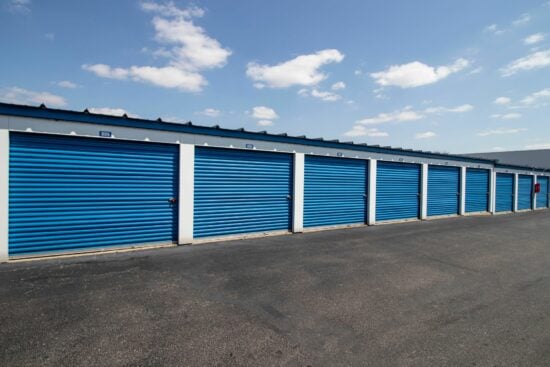
The standard drive-up you might be picturing almost never has an outlet. So if power is a hard requirement, plan to look specifically for it.
If you’re new to renting, our overview of how self-storage works covers the basics.
Why Most Storage Units Don’t Have Outlets
Facilities leave outlets out of standard units for a few practical reasons:
- Cost: Wiring every unit means bigger breaker panels, more maintenance, and a gargantuan overhead that filters into your monthly bill. Most operators skip it to keep prices low.
- Fire and liability: An outlet in each unit invites overloaded power strips and appliances like space heaters left running unattended. It raises the odds of a fire, and most facilities don’t want the risk.
- Residence: Economic and housing insecurity are pushing people to try living in storage units. It’s dangerous and illegal, and most facilities explicitly forbid it.
Add in the fact that most renters just store boxes and furniture, and you can see why most units stay basic.
Who Needs a Powered Storage Unit
In a handful of situations, an outlet is worth hunting for.
If you’re storing tools and inventory, an outlet means you can top up a laptop or print shipping labels without running back and forth to the office. In this case, check whether your storage insurance covers business equipment.
Still, fully running your business out of a storage unit isn’t legal, and it’s also against facilities’ rules.
Other renters who look for outlets include:
- Anyone who needs to keep a car, RV, or boat battery on a trickle charger so it stays alive in long-term storage
- Hobbyists charging power tools or camera gear between projects
- Anyone plugging in a dehumidifier or fan while they’re in the unit (it’d be dangerous to leave it on after you’re gone)
How Much Storage Units With Electricity Cost
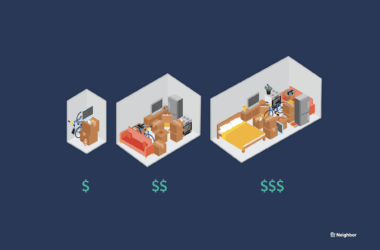
A powered unit typically costs 20% to 50% more than the same unit without electricity.
The extent of the price hike depends partly on your unit’s size, whether it has controlled temperature and humidity levels, and whether you’re also paying for extras like 24/7 access.
| Unit size | Standard price | Electricity only | Electricity + climate control | Electricity + other amenities |
| 5×5 | $35 to $60 | $50 to $80 | $70 to $100 | $90 to $120 |
| 5×10 | $50 to $90 | $70 to $120 | $90 to $140 | $110 to $160 |
| 10×10 | $80 to $150 | $110 to $180 | $125 to $200 | $150 to $240 |
| 10×15 | $120 to $200 | $150 to $250 | $175 to $275 | $200 to $320 |
| 10×20 | $150 to $250 | $180 to $300 | $220 to $350 | $260 to $400 |
| 10×30 | $200 to $350 | $250 to $420 | $300 to $500 | $350 to $580 |
The amenities column covers extras like drive-up access, enhanced security, and wide doors. It’s handy for a business loading stock or someone storing a classic car.
Where you land in these ranges often comes down to location. Urban facilities tend to charge 30% to 60% more than rural ones for the same amount of space.
Budget for a few extras on top of rent:
- Security deposit: $25 to $50, usually refundable
- Administrative fee: $10 to $25 at move-in
- Insurance (optional): $10 to $38 a month
What You Can and Can’t Plug In
Most powered units come with a standard outlet, the same 120-volt type you have at home. That’s plenty of charge for a laptop, fan, or small dehumidifier.
These help make a summer visit to your unit bearable, but you can’t leave them plugged in full-time. And you won’t have enough charge to run heavy equipment.
Your lease will spell out what’s allowed. Facilities often ban:
- Space heaters and portable air conditioners, which draw heavy loads and can overheat
- Refrigerators, freezers, and other appliances that run around the clock
- Welding, spray painting, or power tools used for active work in the unit
Also, you’ll want to avoid the urge to fix the shortage of outlets with a chain of extension cords. Electrical Safety Foundation International warns that extension cords are for temporary use and shouldn’t stand in for permanent wiring, since covered or overloaded cords can overheat and start a fire.
When in doubt, ask the facility for their list of approved and prohibited items. It’ll save you from unnecessarily hauling gear across town, at the very least. Our guide to what you can’t store covers a wider range of banned items, too.
How to Find a Storage Unit With Outlets
Finding a powered unit takes a little extra legwork.
- Use specific search terms: Plain “storage near me” won’t cut it. Try “storage units with electricity” or “powered storage.” “Business storage” may also show you facilities more likely to have charged outlets.
- Call and ask directly: Confirm if the outlets are inside the unit or in the hallway, plus how power is billed and what you’re allowed to plug in.
- Verify in person: If you can, tour the unit before signing. Bring a phone charger to test the unit, and get any promise about power in writing. While you’re there, size up how safe the facility seems. It’s one of several things to check before you rent, alongside access hours and the schedule for rate hikes.
Neighbor is a storage marketplace that simplifies this process. One search lets you compare traditional storage units and spaces like unused basements and sheds hosted right in your neighborhood.
A host’s garage often already has a working outlet, since it was wired as part of a home, and you can message any host with questions before you book.
See What’s Available With Outlets Near You
Renters on Neighbor typically save up to 50% compared with traditional storage, and we’re rated 4.9 stars across 689,000+ reviews.
Every listing comes with photos, a description, and reviews, and you can add up to $25,000 in renter property protection to any booking.
Find your space in under 5 minutes, or give us a call to talk it through.
Frequently Asked Questions
Can I add an outlet to my storage unit?
No. Some facilities will install an outlet for a fee, but never wire one yourself, since it violates your lease and most local codes.
Do climate-controlled units have outlets?
Not always, so ask about an outlet specifically when you’re shopping around. Climate-controlled buildings are wired for heating, cooling, and balanced humidity, but that power serves the system, not your unit.
Can I run a refrigerator or freezer in a storage unit?
No. Most facilities ban appliances that run around the clock, even in powered units, because of the fire risk. If refrigeration is the goal, look into cold storage instead.
Can I use a storage unit as a workshop?
No. You can store equipment and inventory in your unit, but running your day-to-day operation usually isn’t allowed. An outlet is just for ad hoc tasks.